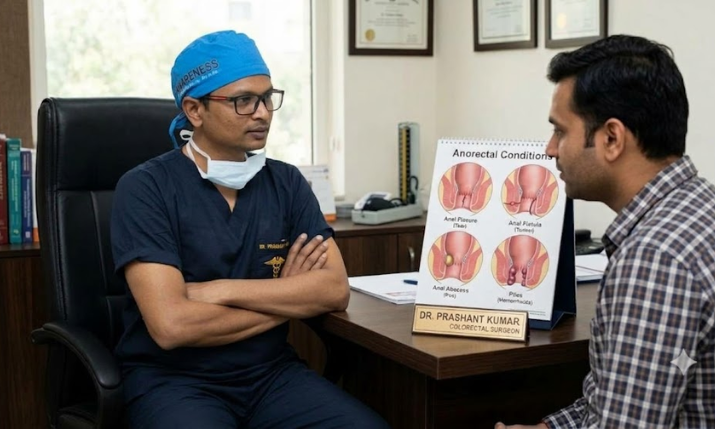
Not every problem around the anus is caused by piles. Anal pain, bleeding during bowel movements, swelling, pus discharge, or changes in bowel habits can also indicate an anal fissure, fistula, abscess, or another colorectal condition. A proctologist evaluates conditions affecting the anus, rectum, and lower digestive tract to identify the cause and recommend appropriate treatment.
If you are searching for a proctologist in Delhi, it is important to understand which symptoms need specialist evaluation and when medical attention should not be delayed. Early diagnosis can help prevent complications and ensure that the treatment addresses the actual problem.
What Is a Proctologist?
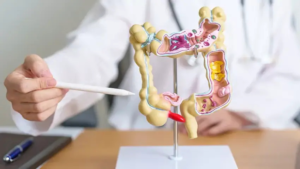
A proctologist is a specialist who evaluates and treats conditions affecting the anus and rectum. Depending on their training, colorectal surgeons and other appropriately qualified surgeons may also manage these conditions.
People commonly seek specialist care for piles, anal fissures, fistulas, rectal bleeding, anal abscesses, and other colorectal problems.
Although piles are common, similar symptoms can occur with different conditions. A proper examination helps identify the cause instead of relying only on symptoms or self-medication.
Which Conditions Need Evaluation Beyond Piles?
Several conditions can cause symptoms similar to piles but may require different treatments.
1. Anal Fissure
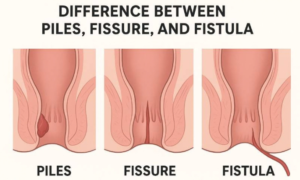
An anal fissure is a small tear in the lining of the anal canal. It commonly develops after passing hard stools or straining during bowel movements.
Common symptoms include:
- Sharp pain during or after passing stool
- A small amount of bright red blood
- Burning or discomfort around the anus
- Fear of passing stool because of pain
Mild fissures may improve with prescribed treatment, adequate fibre, fluids, and better bowel habits. Persistent fissures may need further medical or surgical treatment.
2. Anal Fistula
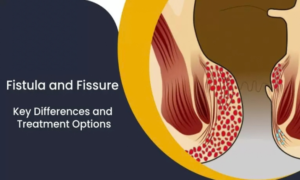
An anal fistula is an abnormal tunnel between the anal canal and the skin near the anus. It can develop following an infection or an anal abscess.
Possible symptoms include:
- Repeated pus or fluid discharge near the anus
- A small opening or swelling around the anal area
- Skin irritation and discomfort
- Repeated episodes of pain or swelling
An anal fistula often does not heal permanently without appropriate treatment. Specialist assessment is important because treatment depends on the fistula’s location and its relationship with the muscles that control bowel movements.
3. Anal Abscess
An anal abscess is a collection of pus caused by an infection near the anus or rectum.
Symptoms may include severe, constant pain, swelling, redness, fever, or difficulty sitting comfortably.
Warning sign: Severe anal pain accompanied by fever or increasing swelling requires urgent medical assessment. An abscess often needs drainage, and antibiotics alone may not be sufficient.
Do not attempt to squeeze or drain an abscess at home.
4. Rectal Prolapse
Rectal prolapse occurs when part or all of the rectum slips down and protrudes through the anus. It can sometimes be mistaken for piles because both conditions may cause tissue to appear outside the anus.
Other symptoms may include mucus discharge, bleeding, discomfort, or difficulty controlling bowel movements.
A specialist can distinguish rectal prolapse from prolapsed piles and recommend suitable treatment based on its severity.
5. Anal Warts and Other Anal Growths
Small growths around the anus may be caused by anal warts, skin tags, or other conditions. Some growths may be harmless, but a new, growing, painful, or bleeding lump should be examined.
Do not assume that every lump is a pile or try to remove it yourself. An examination helps determine whether further tests or treatment are necessary.
6. Colorectal Conditions That Cause Bleeding
Rectal bleeding is not always caused by piles. Other possible causes include inflammatory bowel disease, intestinal infections, polyps, and colorectal cancer.
Warning signs include repeated bleeding, unexplained weight loss, persistent abdominal discomfort, fatigue, anaemia, or a lasting change in bowel habits.
These symptoms do not automatically mean cancer, but they should not be ignored. A doctor may recommend blood tests, stool tests, colonoscopy, or other investigations depending on the patient’s age, symptoms, and medical history.
When Should You Visit a Proctologist in Delhi?
Consider specialist evaluation if you experience:
- Repeated bleeding during or after bowel movements
- Anal pain that persists or keeps returning
- Pus or fluid discharge near the anus
- Recurrent swelling or painful lumps
- A lump or tissue protruding from the anus
- Persistent constipation or a change in bowel habits
- Symptoms that do not improve with appropriate treatment
Seek emergency medical care for heavy bleeding, fainting, severe abdominal or anal pain, or fever with a painful swelling. New jaundice is unrelated to most anal conditions, but any severe or rapidly worsening symptom deserves prompt assessment.
How Are Anal and Rectal Conditions Diagnosed?
Diagnosis starts with a discussion of symptoms, their duration, bowel habits, and previous treatment.
Depending on the suspected condition, the doctor may recommend:
Physical examination: The area around the anus is examined for swelling, tears, openings, or abnormal tissue.
Digital rectal examination: When appropriate and tolerable, a gloved, lubricated finger is used to assess the anal canal and lower rectum.
Anoscopy or proctoscopy: A short instrument may be used to examine the anal canal or rectum.
Additional investigations: Colonoscopy, imaging, or blood tests may be needed if the symptoms suggest a deeper infection, inflammatory disease, or another intestinal condition.
Not every patient needs every test. The evaluation depends on the symptoms and clinical findings.
What Treatment Options Are Available?
Treatment depends on the confirmed diagnosis and the severity of the condition.
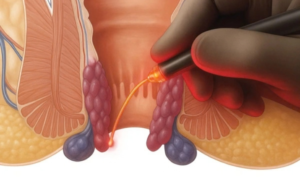
- Piles: Fibre, fluids, bowel-habit changes, medicines for symptom relief, office-based procedures, or surgery may be appropriate.
- Anal fissure: Stool-softening measures, prescribed topical medicines, and selected procedures may help.
- Anal fistula: Treatment may involve fistula surgery or other techniques designed to control the infection while protecting the muscles responsible for continence.
- Anal abscess: Drainage is often required to treat the collection of pus.
- Rectal prolapse: Management may involve measures to improve bowel habits or surgery, depending on the severity.
- Other colorectal conditions: Treatment may include medication, further investigations, specialist referral, or surgery.
Surgery is not necessary for every patient. The goal is to establish the correct diagnosis and select the safest effective treatment.
Why Consult Dr. Prashant Kumar in Delhi?
Dr. Prashant Kumar provides general, laparoscopic, and colorectal surgical care in Delhi. Patients experiencing piles symptoms, anal pain, bleeding, fistula-related discharge, or other surgical concerns can seek an assessment to understand the possible cause and treatment options.
During a consultation, discuss your symptoms, how long they have lasted, previous treatments, and any relevant medical reports. The treatment plan should be based on clinical findings rather than assuming that every anal symptom is caused by piles.
Frequently Asked Questions
1. Should I visit a proctologist if I think I have piles?
Yes, if symptoms are persistent, recurrent, or associated with bleeding, severe pain, swelling, or discharge. A specialist can confirm whether the problem is piles or another condition.
2. Can an anal fissure or fistula be mistaken for piles?
Yes. These conditions may cause pain, bleeding, swelling, or discomfort around the anus. Their treatments differ, so an examination is important.
3. Is rectal bleeding always caused by piles?
No. Rectal bleeding may result from fissures, infections, inflammatory bowel disease, polyps, or other conditions. Repeated or unexplained bleeding should be medically evaluated.
4. When does an anal abscess require urgent treatment?
A painful swelling with fever, worsening pain, redness, or pus may indicate an abscess. Seek prompt medical assessment because drainage may be necessary.
5. Does every colorectal condition require surgery?
No. Some conditions respond to medicines and lifestyle changes, while others need a procedure or surgery. Treatment depends on the diagnosis, severity, and overall health of the patient.
Explore More from Dr. Prashant Kumar
https://www.drprashantsurgeon.com
https://www.drprashantsurgeon.com/contact-us
https://www.drprashantsurgeon.com/about-us
https://www.drprashantsurgeon.com/delhi/treatment/piles-fistula-surgery
Book a Consultation in Delhi
Persistent anal pain, bleeding, swelling, or discharge should not be ignored or automatically attributed to piles. The right diagnosis is the first step towards appropriate treatment.
Book a consultation with Dr. Prashant Kumar to discuss your symptoms, receive a clinical evaluation, and understand the treatment options that may be suitable for your condition.
Call +91 81787 85528 or visit drprashantsurgeon.com to enquire about an appointment.