Bowel problems such as persistent constipation, blood in the stool, abdominal pain, or changes in bowel habits should not always be dismissed as minor digestive issues. These symptoms can sometimes indicate conditions affecting the colon, rectum, or anus that need specialist evaluation.
A colorectal surgeon in Delhi can evaluate conditions affecting the large intestine, rectum, and anus and recommend medical treatment, further tests, or surgery when necessary. Early assessment helps identify the cause of symptoms and determine the most appropriate care.
If your bowel problems keep returning or do not improve with routine treatment, consulting a qualified specialist can help you understand the next steps.
What Does a Colorectal Surgeon Treat?
A colorectal surgeon specialises in conditions affecting the colon, rectum, and anus. These parts of the digestive system help process waste and support normal bowel movements.
Depending on their training and clinical expertise, colorectal surgeons may manage:
- Piles and anal fissures
- Anal fistulas and abscesses
- Rectal bleeding and rectal prolapse
- Colorectal polyps and colorectal cancer
- Diverticular disease
- Selected cases of inflammatory bowel disease
- Bowel obstruction and other conditions requiring surgical assessment
Not every bowel problem requires surgery. The first step is to identify the cause and understand which treatment is appropriate.
When Should You Consult a Colorectal Surgeon in Delhi?
You should consider specialist evaluation when symptoms are persistent, recurring, unexplained, or affecting your daily life.
1. Blood in the Stool
Blood during or after a bowel movement is commonly associated with piles or anal fissures. However, it can also occur with intestinal inflammation, polyps, or colorectal cancer.
Pay attention to repeated bleeding, blood mixed with stool, dark or black stools, or bleeding accompanied by weakness or unexplained weight loss.
Do not assume that bleeding is caused by piles without an appropriate assessment. Heavy bleeding, dizziness, or fainting requires emergency medical attention.
2. Persistent Constipation or Diarrhoea
Occasional changes in bowel movements are common. However, constipation or diarrhoea that persists, keeps returning, or represents a noticeable change from your usual pattern may require investigation.
Possible causes include dietary factors, medication effects, irritable bowel syndrome, inflammatory bowel disease, and other intestinal conditions.
A specialist may review your medical history, medication use, diet, and symptoms before recommending tests or treatment.
3. Persistent Abdominal Pain and Bloating
Repeated abdominal pain, cramping, or bloating may result from several digestive conditions.
If these symptoms occur alongside vomiting, inability to pass stool or gas, abdominal swelling, or severe pain, an intestinal obstruction may be a concern.
Seek emergency medical care for severe abdominal pain with persistent vomiting or inability to pass stool or gas. Do not wait for a routine appointment if obstruction is suspected.
4. Anal Pain, Swelling, or Discharge
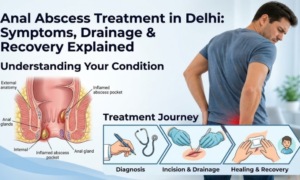
Pain around the anus, a persistent lump, or pus discharge may indicate an anal fissure, fistula, or abscess rather than piles alone.
An anal abscess may require urgent drainage, while a fistula may need specialist treatment based on its location and complexity.
A colorectal assessment can help distinguish these conditions and prevent delays in appropriate care.
5. Unexplained Weight Loss or Anaemia
Unintentional weight loss, persistent fatigue, or anaemia can sometimes accompany intestinal disease, including colorectal cancer.
These symptoms can have many causes and do not automatically indicate cancer. However, they should be investigated, particularly when they occur with rectal bleeding or a persistent change in bowel habits.
A doctor may recommend blood tests, stool tests, colonoscopy, imaging, or other investigations based on the findings.
What Are the Warning Signs of a Serious Bowel Problem?
Certain symptoms need prompt medical attention rather than repeated home treatment.
Seek medical assessment for:
- Repeated or unexplained rectal bleeding
- Persistent changes in bowel habits
- Unexplained weight loss or confirmed anaemia
- Ongoing abdominal pain or swelling
- Recurrent anal infections or discharge
- A new lump or tissue protruding from the anus
Seek emergency care for heavy bleeding, fainting, severe abdominal pain, repeated vomiting with abdominal swelling, or inability to pass stool or gas. Fever with severe anal pain or swelling may also indicate an infection that needs urgent treatment.
How Are Colorectal Conditions Diagnosed?
Diagnosis depends on your symptoms, medical history, examination findings, and risk factors.
Medical History and Physical Examination
The doctor will ask about your bowel habits, pain, bleeding, medication use, family history, and previous treatment. An examination may help identify anal fissures, piles, swelling, or other visible abnormalities.
Digital Rectal Examination
When appropriate, a gloved and lubricated finger is used to assess the anal canal and lower rectum. The doctor will explain the examination before proceeding.
Colonoscopy
A colonoscopy uses a flexible camera to examine the lining of the colon and rectum. It may be recommended for unexplained bleeding, persistent bowel changes, suspected polyps, or colorectal cancer screening when indicated.
Blood Tests and Imaging
Blood tests can help identify anaemia or signs of inflammation. Imaging may be needed when the doctor suspects a deeper infection, bowel obstruction, or another abdominal condition.
Not everyone needs all these tests. The investigation plan depends on the suspected diagnosis and individual circumstances.
What Treatment Options Are Available?
Treatment depends on the condition and its severity.
- Piles and fissures: Dietary changes, adequate fluids, prescribed medicines, office-based procedures, or surgery may be considered.
- Anal fistulas and abscesses: Abscesses often need drainage. Fistulas may require a specialised procedure or surgery.
- Inflammatory bowel disease: Treatment may involve medication, monitoring, and surgery in selected cases.
- Diverticular disease: Management may include dietary advice, medication, hospital treatment, or surgery for specific complications.
- Polyps and colorectal cancer: Polyps may be removed during colonoscopy. Cancer treatment depends on its location and stage and may involve surgery, chemotherapy, radiotherapy, or a combination.
- Bowel obstruction: Treatment depends on the cause and severity and may require urgent hospital care or surgery.
A colorectal surgeon will explain the available options, their benefits and risks, and whether surgery is necessary. Avoid choosing a procedure based only on online claims or promises of guaranteed results.
How Can You Support Better Bowel Health?
Healthy daily habits can support regular bowel movements, although they cannot prevent every colorectal condition.
- Eat fibre-rich foods such as vegetables, fruits, and whole grains, increasing fibre gradually.
- Drink adequate fluids unless your doctor has advised a restriction.
- Stay physically active according to your ability.
- Avoid prolonged straining and sitting on the toilet.
- Discuss persistent constipation or diarrhoea with a healthcare professional.
- Follow recommended colorectal cancer screening advice based on your age, family history, and personal risk.
Do not use lifestyle changes as a substitute for investigating persistent bleeding or other warning signs.
Why Consult Dr. Prashant Kumar in Delhi?
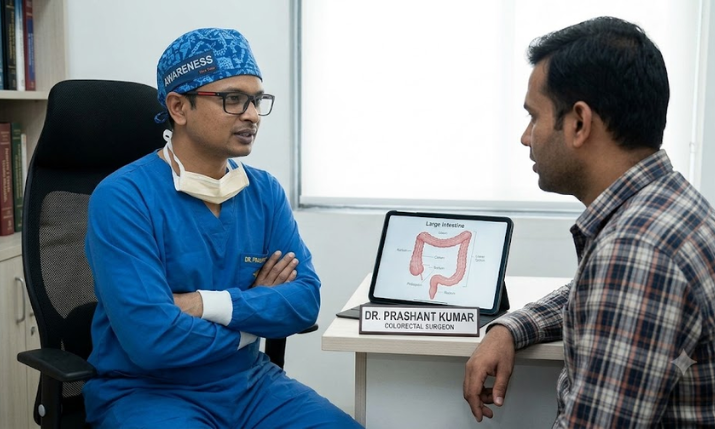
Dr. Prashant Kumar provides general, laparoscopic, and colorectal surgical care in Delhi. Patients experiencing persistent bowel symptoms, rectal bleeding, piles, fistulas, or other conditions that may require surgical assessment can discuss their concerns and available treatment options.
During your consultation, share how long your symptoms have lasted, any previous test results, current medications, and relevant family history. This information can help guide the evaluation and next steps.
Frequently Asked Questions
1. When should I see a colorectal surgeon for bowel problems?
Consider an appointment for persistent constipation or diarrhoea, repeated rectal bleeding, ongoing abdominal pain, unexplained weight loss, or recurring anal swelling and discharge. Severe symptoms may require emergency care.
2. Does blood in the stool always mean piles?
No. Bleeding can be caused by piles, fissures, inflammation, polyps, or other intestinal conditions, including colorectal cancer. Repeated or unexplained bleeding needs medical evaluation.
3. Will a colorectal surgeon always recommend surgery?
No. Many conditions can be managed with medicines, dietary changes, monitoring, or non-surgical procedures. Surgery is considered when the diagnosis and severity make it appropriate.
4. Is colonoscopy necessary for every bowel problem?
No. Colonoscopy is recommended when clinically indicated, such as for certain cases of rectal bleeding, persistent bowel changes, suspected polyps, or screening. The doctor decides based on symptoms and risk factors.
5. Can colorectal problems be treated with minimally invasive surgery?
Some conditions can be treated using laparoscopic or other minimally invasive techniques. Suitability depends on the diagnosis, complexity, previous treatment, and overall health of the patient.
Explore More from Dr. Prashant Kumar
https://www.drprashantsurgeon.com
https://www.drprashantsurgeon.com/contact-us
https://www.drprashantsurgeon.com/about-us
https://www.drprashantsurgeon.com/delhi/treatment/colorectal-surgery
Book a Consultation for Colorectal Care in Delhi
Persistent bowel problems deserve the right diagnosis, not repeated guesswork. If you have rectal bleeding, ongoing abdominal discomfort, changes in bowel habits, or recurring anal symptoms, arrange a medical assessment.
Book a consultation with Dr. Prashant Kumar to discuss your symptoms and understand the evaluation and treatment options suitable for your condition.
Call +91 81787 85528 or visit drprashantsurgeon.com to enquire about an appointment.