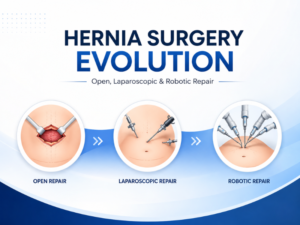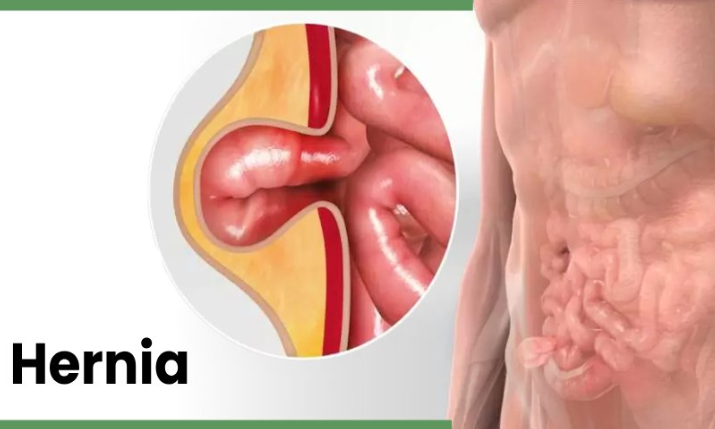
An inguinal hernia develops when a part of the intestine or abdominal tissue pushes through a weak area in the lower abdominal wall near the groin. It usually appears as a small bulge that may become more noticeable while coughing, standing, lifting heavy objects, or performing physical activities.
One of the most common questions patients ask before inguinal hernia surgery is whether mesh is necessary or whether the condition can be repaired without using a mesh.
Both mesh and non-mesh hernia repair techniques are used in modern surgical practice. However, they differ in how the weakened abdominal wall is strengthened, their potential risks, and their suitability for individual patients.
Understanding these differences can help patients make informed decisions when consulting an experienced surgeon for inguinal hernia treatment in Delhi.
What Is the Difference Between Mesh and Non-Mesh Hernia Repair?
The main difference is the method used to strengthen the weakened groin area.
Mesh hernia repair uses a medical-grade surgical mesh to reinforce the weak abdominal wall. The mesh provides additional support as the surrounding tissues heal.
Non-mesh hernia repair uses the patient’s own tissues and surgical stitches to strengthen the weakened area without placing a mesh implant.
Both techniques aim to repair the hernia and reduce the possibility of recurrence. However, the appropriate method depends on the patient’s condition, hernia characteristics, and the surgeon’s expertise.
What Is Mesh Hernia Repair?
Mesh repair is one of the most commonly performed procedures for adult inguinal hernias. During surgery, the surgeon places a medical mesh over or behind the weakened area to provide additional support.
The mesh gradually becomes integrated with the surrounding tissues.
Common Mesh Hernia Repair Techniques
1. Lichtenstein Repair
Lichtenstein repair is an open surgical technique in which the surgeon places a mesh over the weakened groin area through a small incision. It is a widely established option for inguinal hernia treatment.
2. TEP (Totally Extraperitoneal Repair)
TEP is a laparoscopic technique in which the surgeon places mesh in the space outside the abdominal cavity. Small incisions are used to access the affected area.
3. TAPP (Transabdominal Preperitoneal Repair)
TAPP is another laparoscopic approach. The surgeon enters the abdominal cavity using a camera and instruments, then places the mesh behind the weakened abdominal wall.
The choice between open and laparoscopic repair depends on the hernia type, previous operations, overall health, and available surgical expertise.
What Is Non-Mesh Hernia Repair?
Non-mesh hernia repair, also called tissue-based repair, strengthens the weakened abdominal wall using the patient’s own tissues and stitches.
It may be considered for selected patients who prefer to avoid a permanent mesh implant or have specific clinical reasons for choosing a tissue-based procedure.
Common Non-Mesh Hernia Repair Techniques
1. Shouldice Repair
Shouldice repair is a well-established non-mesh technique. It involves reconstructing the weakened groin wall using multiple layers of sutures.
International HerniaSurge guidelines identify Shouldice as the preferred technique when a non-mesh repair is selected.
2. Desarda Repair
Desarda repair uses a strip of the patient’s external oblique aponeurosis to reinforce the weakened groin area. It is another tissue-based approach.
However, more high-quality long-term evidence is needed before its outcomes can be considered equally established across all patient groups.
Non-mesh surgery requires appropriate patient selection and specific surgical experience. It is not automatically a better or safer option for every patient.
Mesh vs Non-Mesh Hernia Repair: Key Differences
| Comparison | Mesh Repair | Non-Mesh Repair |
|---|---|---|
| Surgical method | Uses medical mesh | Uses natural tissues and sutures |
| Implant | Permanent mesh is generally used | No mesh implant |
| Recurrence | Generally lower recurrence risk | Depends on technique and patient selection |
| Chronic pain | Possible after surgery | Also possible after surgery |
| Surgical options | Open, TEP and TAPP | Mainly open tissue repair |
| Suitability | Recommended for most adult patients | Selected patients |
| Expertise | Requires appropriate hernia surgery skills | Requires specific tissue-repair expertise |
Neither technique is completely free from complications. The right procedure should be selected after considering the patient’s medical condition and individual treatment requirements.
Is Mesh Hernia Repair Safe?
Mesh-based inguinal hernia repair is widely used and recommended for most adults because it reduces the risk of recurrence compared with non-mesh repair overall.
However, like any surgical procedure, it can have potential complications.
These may include:
- Infection involving the surgical wound or mesh.
- Persistent groin pain or discomfort.
- Fluid collection around the operated area.
- Nerve irritation or injury.
- Hernia recurrence despite surgery.
- Rare mesh-related complications.
Persistent pain after hernia surgery does not always mean that the mesh is responsible. It can also be related to nerve irritation, tissue healing, or other surgical factors.
Patients should discuss the type of mesh, its placement, possible complications, and available alternatives with their surgeon before surgery.
When Do Surgeons Consider Non-Mesh Hernia Surgery?
Non-mesh repair may be considered when:
- The patient strongly prefers to avoid a permanent mesh implant.
- The patient has suitable tissue conditions for a tissue-based repair.
- A clinical situation makes mesh placement unsuitable.
- An appropriately trained surgeon is available to perform the selected technique.
The Shouldice technique is recommended by international guidelines when non-mesh inguinal hernia repair is chosen.
However, non-mesh repair is not suitable for every hernia. The patient’s anatomy, medical history, and risk of recurrence must be evaluated before making a decision.
How Do Surgeons Decide Between Mesh and Non-Mesh Surgery?
Choosing the right inguinal hernia repair technique requires more than simply comparing the two procedures.
An experienced surgeon considers several important factors.
1. Size and Type of Hernia
The surgeon examines the size, location, and type of hernia. A small uncomplicated hernia may have different treatment requirements compared with a large or complex hernia.
2. Previous Hernia Surgery
Patients who have already undergone hernia surgery may require a different approach. The surgeon considers the previous repair technique and the condition of the operated tissues.
3. General Health and Medical History
Age, diabetes, obesity, smoking, medications, and other health conditions can influence surgical planning and recovery.
4. Risk of Recurrence
Preventing the hernia from returning is an important part of treatment planning. Mesh repair generally offers a lower recurrence risk than non-mesh repair overall.
5. Patient Preference
Patients should discuss their concerns about mesh, recovery, possible complications, and alternative techniques. A treatment decision should involve proper consultation and shared decision-making.
6. Surgeon’s Experience
The surgeon’s training and experience with a particular repair technique are important. A procedure should be selected according to both the patient’s requirements and the surgeon’s expertise.
How Long Does Recovery Take After Inguinal Hernia Surgery?
Recovery varies depending on the surgical technique, hernia complexity, general health, and type of daily activity.
Many patients can start walking shortly after surgery. Light daily activities may become comfortable within a few days, although returning to work and strenuous activities can take longer.
General recovery guidance includes:
- Follow the surgeon’s instructions for wound care and medication.
- Start gentle walking as advised.
- Avoid heavy lifting until medically cleared.
- Increase physical activities gradually.
- Manage constipation and chronic coughing.
- Attend scheduled follow-up appointments.
Patients should not compare their recovery with someone else’s because every surgical case is different.
Important: Sudden severe groin pain, a bulge that cannot be pushed back, vomiting, abdominal swelling, or inability to pass stool or gas may indicate an emergency complication. Seek immediate medical attention if these symptoms occur.
Why Consult Dr. Prashant Kumar for Hernia Treatment in Delhi?
Dr. Prashant Kumar provides general, laparoscopic, and advanced surgical care in Delhi, with experience in hernia surgery and abdominal wall reconstruction.
His website describes treatment planning that considers the patient’s condition, previous surgical history, and suitability for open or minimally invasive procedures.
Patients seeking consultation for inguinal hernia repair can discuss their symptoms, diagnostic reports, suitable surgical approaches, and expected recovery.
The aim is to select an appropriate treatment plan based on individual clinical requirements rather than recommending the same procedure to every patient.
Frequently Asked Questions
1. Is mesh repair better than non-mesh inguinal hernia surgery?
Mesh repair is recommended for most adult patients because it generally reduces the risk of hernia recurrence. Non-mesh repair can be considered for carefully selected patients when appropriate surgical expertise is available.
2. Can an inguinal hernia be repaired without mesh?
Yes. Techniques such as Shouldice repair use the patient’s own tissues and sutures instead of a mesh implant. However, suitability depends on the hernia and the patient’s medical condition.
3. Can hernia mesh cause permanent pain?
Some patients experience persistent groin pain after hernia surgery. However, pain can have several causes, including nerve irritation and tissue-related factors. It should be evaluated by a surgeon rather than automatically attributed to mesh.
4. Can an inguinal hernia return after mesh surgery?
Yes. Hernia recurrence is possible after any repair technique. However, mesh-based repair generally reduces recurrence risk compared with non-mesh repair overall.
5. Which is better: open or laparoscopic inguinal hernia surgery?
Both are established surgical approaches. Laparoscopic TEP or TAPP may offer advantages in selected patients, while open repair may be more suitable in other situations. The decision depends on the patient’s condition, previous surgeries, and the surgeon’s experience.
Explore More from Dr. Prashant Kumar
https://www.drprashantsurgeon.com
https://www.drprashantsurgeon.com/contact-us
https://www.drprashantsurgeon.com/about-us
https://www.drprashantsurgeon.com/delhi/treatment/hiatal-hernia-surgery
Book a Consultation for Inguinal Hernia Repair in Delhi
Choosing between mesh and non-mesh hernia repair requires an accurate diagnosis and a personalised surgical assessment.
If you are experiencing a groin bulge, discomfort, or pain during physical activities, consult a qualified surgeon to understand your treatment options.
Dr. Prashant Kumar offers consultations for hernia and abdominal wall conditions in Delhi.
Call: +91 8178785528
Location: PSRI Hospital Institute, Press Enclave Marg, J Pocket, Phase II, Sheikh Sarai, New Delhi, Delhi 110017.
Discuss your symptoms and treatment options with a surgeon before deciding on a procedure.