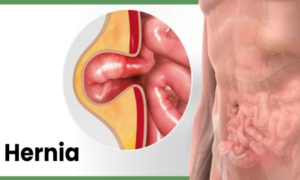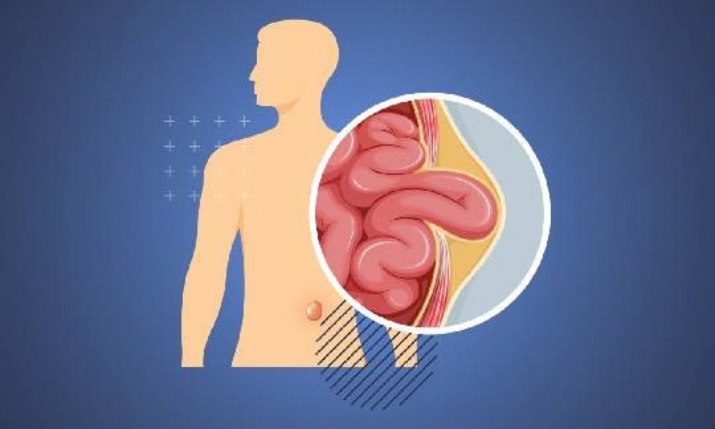
A hernia develops when an organ or tissue pushes through a weak area in the surrounding muscle or connective tissue. It may appear as a visible lump in the abdomen, groin, navel, or at a previous surgical incision.
Many hernias cause mild discomfort or may have no symptoms at first. However, a hernia can sometimes become trapped or strangulated, creating a medical emergency that requires immediate treatment.
So, when does a hernia become an emergency?
A hernia needs urgent medical assessment when the bulge suddenly becomes painful, firm, discolored, or cannot be pushed back, especially when it is accompanied by nausea, vomiting, abdominal swelling, fever, or difficulty passing stool or gas. These symptoms can indicate incarceration, bowel obstruction, or strangulation.
If you are looking for information about hernia in Delhi, knowing these warning signs can help you understand when routine surgical consultation is appropriate and when immediate hospital care may be necessary.
Dr. Prashant Kumar is a Laparoscopic and Robotic Surgeon in New Delhi, providing surgical care for hernia, gallbladder, gastrointestinal, and proctology conditions. His approach focuses on accurate evaluation, personalized treatment planning, and clear guidance throughout the surgical journey.
What Is a Hernia?
A hernia occurs when tissue from inside the abdomen pushes through a weak area in the abdominal wall.
Common types include:
- Inguinal hernia: Occurs in the groin and is one of the most common types.
- Umbilical hernia: Develops around the belly button.
- Femoral hernia: Appears in the upper thigh or groin.
- Incisional hernia: Develops at or near a previous surgical incision.
- Epigastric hernia: Develops in the upper abdominal wall.
A typical hernia may appear as a soft bulge that becomes more noticeable when standing, coughing, straining, or lifting. Some hernias become smaller or disappear when lying down.
Is Every Hernia an Emergency?
No.
A hernia does not automatically mean that you need emergency treatment.
Some hernias cause little or no discomfort and can be assessed by a surgeon through a planned consultation. Depending on the type and symptoms, treatment may involve observation or elective surgical repair.
However, a hernia can become serious if the tissue gets trapped or its blood supply becomes compromised.
The important distinction is between a reducible hernia, an incarcerated hernia, and a strangulated hernia.
What Is an Incarcerated Hernia?
An incarcerated hernia is one in which the protruding tissue becomes trapped and cannot be pushed back into the abdomen.
For example, a hernia that normally becomes smaller when you lie down may suddenly remain as a firm or painful lump.
An incarcerated hernia can cause bowel obstruction if part of the intestine is trapped. It can also progress to strangulation, where the blood supply to the trapped tissue is reduced or cut off.
Therefore, a hernia that suddenly becomes irreducible should not simply be ignored.
What Is a Strangulated Hernia?
A strangulated hernia is a medical emergency.
It occurs when the blood supply to tissue trapped inside the hernia is cut off. Without adequate blood flow, the affected tissue can become damaged or die.
If the intestine is involved, complications can include bowel obstruction, tissue death, infection, and other serious problems. Emergency surgery may be required.
This is why sudden changes in a previously known hernia should be taken seriously.
7 Warning Signs That a Hernia May Be an Emergency
Seek immediate medical assessment if you have a hernia and develop one or more of the following symptoms:
1. Sudden or Severe Hernia Pain
A sudden increase in pain around the hernia may indicate that tissue has become trapped.
Pain that continues or rapidly becomes worse is particularly concerning.
2. The Hernia Cannot Be Pushed Back
If a bulge that previously went back inside suddenly becomes stuck outside, it may be incarcerated.
Do not repeatedly press forcefully on a painful or hard lump. Seek medical evaluation instead.
3. The Skin Changes Color
Red, purple, dark, pale, or otherwise unusual skin over the hernia can be a warning sign of compromised blood supply.
4. Nausea or Vomiting
Nausea and vomiting together with a painful hernia can occur when the intestine becomes trapped or obstructed.
This combination requires urgent medical assessment.
5. Abdominal Swelling or Bloating
A swollen or increasingly bloated abdomen can be associated with intestinal obstruction.
If bloating occurs together with severe pain, vomiting, or inability to pass stool or gas, seek immediate medical attention.
6. Difficulty Passing Stool or Gas
Being unable to pass stool or gas can be a sign of bowel obstruction, particularly when associated with a painful, trapped hernia.
7. Fever or Feeling Very Unwell
Fever may occur when a hernia becomes complicated. Fever combined with increasing pain, vomiting, or skin changes around the hernia should be assessed urgently.
When Should You Go to the Emergency Department?
If you have a known or suspected hernia and experience severe or rapidly worsening pain, a hard or irreducible bulge, skin discoloration, repeated vomiting, abdominal swelling, fever, or inability to pass stool or gas, seek emergency medical care immediately.
These symptoms may indicate incarceration, bowel obstruction, or strangulation, which can require urgent surgery.
Do not wait for a routine appointment if severe warning signs are present.
How Is an Emergency Hernia Diagnosed?
A surgeon or emergency medical team will usually begin with a physical examination.
The doctor may assess:
- Location and size of the hernia
- Whether the bulge is reducible
- Pain and tenderness
- Skin changes
- Abdominal swelling
- Bowel symptoms
- Medical and surgical history
Depending on the situation, tests such as ultrasound or CT scanning may be used to evaluate the hernia and look for complications.
The treatment depends on what is found during the evaluation.
Does an Emergency Hernia Always Need Surgery?
A strangulated hernia requires urgent surgical treatment because the blood supply to the trapped tissue has been compromised.
Incarcerated or complicated hernias may also require urgent repair, depending on the clinical findings.
For non-emergency hernias, treatment is different. A surgeon may recommend planned repair based on the type of hernia, symptoms, size, overall health, and risk of complications. Some minimally symptomatic inguinal hernias may be managed with observation in selected patients.
The appropriate approach should be decided after an individual medical evaluation.
Can a Hernia Be Treated With Laparoscopic Surgery?
Yes. Depending on the type and characteristics of the hernia, laparoscopic hernia repair may be an option.
Laparoscopic surgery uses small incisions and specialized instruments to repair the weakened abdominal wall. In suitable patients, it may offer benefits such as smaller incisions and a potentially faster early recovery compared with some open procedures.
However, emergency hernia surgery is different from planned surgery. The surgical approach depends on the patient’s condition, the location of the hernia, whether bowel is trapped, and whether damaged tissue needs treatment.
Why Should You Not Ignore a Growing or Painful Hernia?
A hernia may start as a small, occasional bulge but become larger or more uncomfortable over time.
Not every hernia becomes an emergency, but a change in symptoms can indicate a complication.
If you notice a new hernia, increasing size, recurring pain, or difficulty with daily activities, a surgical consultation can help determine whether observation or repair is appropriate.
Early evaluation can also help you understand the warning signs that should prompt urgent care.
Why Consult Dr. Prashant Kumar for Hernia Treatment in Delhi?
Dr. Prashant Kumar is a Laparoscopic and Robotic Surgeon in New Delhi, providing surgical care for hernia and other abdominal and gastrointestinal conditions.
Patients can seek consultation for different types of hernias, including groin, abdominal, umbilical, and other surgical hernia concerns.
Before recommending treatment, the patient’s symptoms, medical history, physical examination, diagnostic findings, and overall health should be considered.
The treatment plan may include observation, planned surgical repair, or an appropriate minimally invasive approach when suitable.
The focus is on accurate evaluation, personalized treatment planning, appropriate surgical technique, and clear guidance before and after treatment.
Frequently Asked Questions
1. When does a hernia become an emergency?
A hernia becomes an emergency when it becomes trapped or strangulated, particularly if there is sudden severe pain, an irreducible bulge, skin discoloration, vomiting, abdominal swelling, fever, or inability to pass stool or gas.
2. How do I know if my hernia is strangulated?
Possible warning signs include sudden severe or worsening pain, a firm or stuck hernia bulge, changes in skin color, nausea, vomiting, fever, and symptoms of bowel obstruction. Strangulation requires immediate medical attention.
3. Can an incarcerated hernia become strangulated?
Yes. An incarcerated hernia can become strangulated if pressure on the trapped tissue compromises its blood supply. This is why a hernia that suddenly becomes stuck and painful needs urgent assessment.
4. Can a hernia be treated without surgery?
Some hernias with few or no symptoms may be monitored in selected patients, depending on the type and individual circumstances. However, a hernia does not generally repair itself, and complicated or strangulated hernias require surgical treatment.
5. Is laparoscopic hernia surgery possible in Delhi?
Laparoscopic hernia repair is an option for many suitable patients. The choice between laparoscopic and open repair depends on the hernia type, size, location, previous surgery, overall health, and other clinical factors.
Suggested Links
https://www.drprashantsurgeon.com
https://www.drprashantsurgeon.com/contact-us
https://drprashantsurgeon.com/blog
Book a Hernia Consultation in Delhi
A hernia should not be ignored when it becomes painful, suddenly larger, firm, irreducible, discolored, or associated with vomiting, abdominal swelling, fever, or difficulty passing stool or gas.
If you have a known or suspected hernia, a timely surgical evaluation can help determine the appropriate treatment and explain when emergency care may be necessary.
Dr. Prashant Kumar
Laparoscopic & Robotic Surgeon | Hernia, Gallbladder, Gastrointestinal & Proctology Surgery
Address: PSRI Hospital Institute, Press Enclave Marg, J Pocket, Phase II, Sheikh Sarai, New Delhi, Delhi 110017
Phone: +91 81787 85528
Book a consultation today to discuss your hernia symptoms, understand your treatment options, and receive personalized guidance from a Laparoscopic and Robotic Surgeon in New Delhi.
Important: If you currently have severe or rapidly worsening pain, a hard or discolored hernia bulge, repeated vomiting, significant abdominal swelling, or cannot pass stool or gas, seek emergency medical care rather than waiting for a routine consultation.