An anal fistula is a small abnormal tunnel that forms between the inside of the anal canal and the skin around the anus. It often develops after an infection near the anus causes an abscess, which is a collection of pus. Even after the abscess drains, a tunnel may remain and cause repeated pain, swelling, or discharge.
If you are looking for fistula treatment in Delhi, understanding the symptoms and available treatment options can help you seek medical advice at the right time.
Dr. Prashant Kumar is a Laparoscopic and Robotic Surgeon in New Delhi who provides surgical care for proctology, hernia, gallbladder, and gastrointestinal conditions. A proper examination helps determine the type of fistula and whether surgery is needed.
What Is an Anal Fistula?
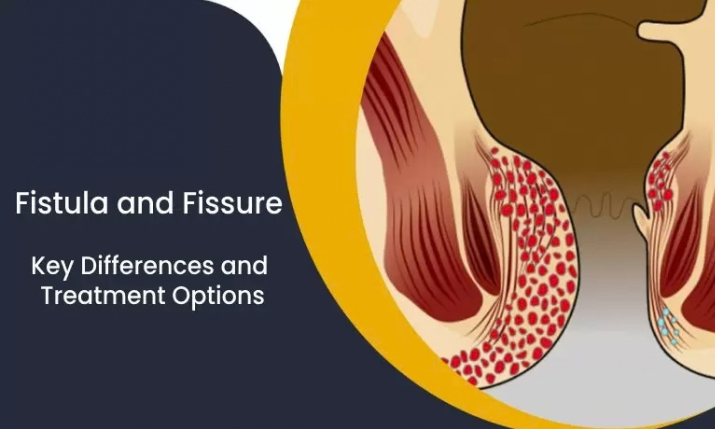
An anal fistula is an abnormal passage connecting the anal canal to the skin near the anus. It may appear as a small opening or wound that repeatedly releases pus or fluid.
Most anal fistulas develop following an anal abscess. When an infected gland near the anus becomes blocked, pus can collect in the surrounding tissue. If the infection drains but the tunnel does not heal, a fistula may develop.
In some cases, fistulas are associated with conditions such as Crohn’s disease or previous surgery in the anal region.
An anal fistula generally does not heal permanently without appropriate treatment. Medical assessment is important, particularly when symptoms keep returning.
What Are the Common Symptoms of an Anal Fistula?
The symptoms of an anal fistula can vary depending on its location, size, and complexity.
Common symptoms include:
- Persistent pain near the anus: Pain may feel throbbing and become worse while sitting, walking, coughing, or passing stool.
- Pus or fluid discharge: A small opening near the anus may release pus or foul-smelling fluid.
- Blood-stained discharge: Some people notice a small amount of blood mixed with the discharge.
- Swelling or redness: The surrounding skin may become irritated, swollen, or tender.
- Repeated abscesses: Painful swelling may disappear after pus drains and then return.
- Skin irritation and itching: Ongoing moisture or discharge can irritate the surrounding skin.
- Fever or feeling unwell: These symptoms may indicate an active infection or a new abscess.
Not everyone experiences all these symptoms. If you have persistent pain, discharge, or a recurring lump near the anus, consult a qualified surgeon rather than trying to diagnose the problem yourself.
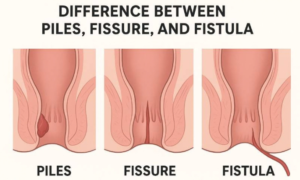
Is an Anal Fistula the Same as Piles or an Anal Fissure?
No. These are different conditions, although their symptoms can sometimes overlap.
- Anal fistula: An abnormal tunnel that may cause persistent discharge, recurring infection, and pain.
- Piles (haemorrhoids): Swollen blood vessels in or around the anus that may cause bleeding, itching, or a lump.
- Anal fissure: A small tear in the lining of the anus that commonly causes sharp pain during bowel movements and sometimes bleeding.
The correct diagnosis matters because each condition requires a different treatment approach. A physical examination and, when necessary, further investigations can help identify the cause of your symptoms.
When Is Surgery Needed for an Anal Fistula?
Surgery is usually needed when an anal fistula persists, because the tunnel rarely closes permanently on its own. Antibiotics may help treat an associated infection, but they generally do not eliminate the fistula tract.
A surgeon may recommend treatment if you experience:
- Repeated pus or blood-stained discharge
- Persistent pain or irritation
- Recurrent abscesses near the anus
- A wound that repeatedly opens and drains
- Symptoms that continue despite previous treatment
The timing and type of treatment depend on the presence of an abscess, the fistula’s location, and how much of the anal sphincter muscles are involved.
If you develop severe anal pain with fever, rapidly increasing swelling, or significant redness, seek urgent medical attention. An abscess may require prompt drainage.
How Is an Anal Fistula Diagnosed?
Diagnosis begins with a review of your symptoms and medical history, followed by a physical examination.
The surgeon may check the skin around the anus for an external opening, discharge, tenderness, or signs of an abscess.
Depending on the findings, further investigations may include:
- Proctoscopy: A procedure used to examine the anal canal and lower rectum.
- MRI: May help map the fistula tract, particularly in complex or recurrent cases.
- Ultrasound: May be used to assess the fistula and surrounding tissues.
- Examination under anaesthesia: In selected cases, the surgeon examines the area while the patient is under anaesthesia.
Not every patient needs every test. The investigations depend on the complexity of the fistula and the information required to plan treatment.
What Are the Treatment Options for Fistula in Delhi?
Treatment is selected according to the fistula’s anatomy, the presence of infection, previous procedures, and the need to protect bowel control.
1. Fistulotomy
A fistulotomy involves opening the fistula tract so it can heal from the inside outward. It may be suitable for selected simple fistulas that do not involve a significant amount of the anal sphincter muscle.
It is not appropriate for every fistula because cutting too much sphincter muscle can affect bowel control.
2. Seton Placement
A seton is a surgical thread placed through the fistula tract to help maintain drainage. It may be used for fistulas that involve the sphincter muscles or require staged treatment.
A seton can help control infection while allowing the surgeon to plan further treatment when needed.
3. Sphincter-Sparing Procedures
For selected complex fistulas, procedures designed to avoid cutting important sphincter muscles may be considered. The choice depends on the tract’s position, previous treatment, and individual clinical findings.
No single procedure is suitable for everyone. Your surgeon should explain the expected benefits, risks, likelihood of recurrence, and possible effects on bowel control before treatment.
4. Abscess Drainage
If an active abscess is present, draining the collection may be necessary to control the infection. Definitive fistula treatment may be planned separately, depending on the findings.
Antibiotics may be prescribed in selected situations, but they are not a substitute for necessary drainage or definitive fistula treatment.
How Long Does Recovery Take After Fistula Surgery?
Recovery depends on the procedure performed, the fistula’s complexity, and your overall health.
Some patients can return home on the day of surgery, while complex cases may require a longer hospital stay. Mild pain, discomfort during bowel movements, and some discharge can occur during healing.
Your surgeon may recommend:
- Keeping the area clean and following wound-care instructions
- Drinking enough water and eating fibre-rich foods to help prevent constipation
- Taking prescribed medicines as directed
- Avoiding heavy lifting and strenuous activity until advised
- Attending follow-up appointments to monitor healing
Contact your healthcare team if pain worsens, bleeding persists, discharge increases significantly, or the wound appears infected. Seek urgent medical care if you develop fever or feel seriously unwell.
Why Consult Dr. Prashant Kumar for Fistula Treatment in Delhi?
Dr. Prashant Kumar is a Laparoscopic and Robotic Surgeon in New Delhi who provides surgical care for proctology and other gastrointestinal conditions.
A consultation can help assess your symptoms, identify the type of fistula, and determine whether further investigations or surgery are required. Treatment planning should consider the fistula’s complexity and the importance of protecting normal bowel control.
Patients can discuss their symptoms, previous abscesses or procedures, treatment options, and expected recovery before making a decision.
Frequently Asked Questions
1. Can an anal fistula heal without surgery?
Most persistent anal fistulas do not heal permanently on their own. Surgery is usually required to treat the tract. The appropriate procedure depends on the fistula’s location and complexity.
2. Is fistula surgery painful?
Surgery is generally performed with anaesthesia to prevent pain during the procedure. Some discomfort can occur afterwards, and prescribed pain relief and wound-care instructions can help manage recovery.
3. Is fistula surgery always necessary?
Most established anal fistulas require a procedure to achieve lasting treatment. However, the timing and type of procedure depend on the clinical findings, infection, and involvement of the sphincter muscles.
4. Can a fistula come back after surgery?
Yes. A fistula can recur after treatment, particularly when the tract is complex or has branches. Follow-up and the choice of an appropriate procedure are important.
5. When should I see a surgeon for an anal fistula?
Consult a surgeon if you have persistent discharge, recurring swelling, pain, or a small opening near the anus. Severe pain with fever or rapidly increasing swelling requires urgent medical assessment.
Suggested Links
https://www.drprashantsurgeon.com
https://www.drprashantsurgeon.com/contact-us
https://drprashantsurgeon.com/blog
Book a Consultation for Fistula Treatment in Delhi
Persistent pain, recurring swelling, or discharge near the anus should not be ignored. Early assessment can help identify the problem and determine the appropriate treatment.
Contact Dr. Prashant Kumar, Laparoscopic and Robotic Surgeon in New Delhi, to discuss your symptoms and understand the available options for fistula treatment.
Address: PSRI Hospital Institute, Press Enclave Marg, J Pocket, Phase II, Sheikh Sarai, New Delhi, Delhi 110017
Phone: +91 81787 85528