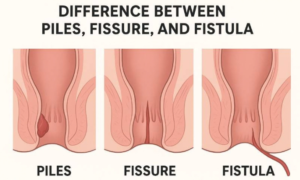
Piles, also called hemorrhoids, are swollen and inflamed veins around the anus or in the lower rectum. They are common and may cause symptoms such as bleeding, itching, discomfort, swelling, or a lump around the anus.
One of the most common questions patients ask is: Can piles be treated without surgery?
In many cases, especially when symptoms are mild, treatment may begin with dietary changes, better bowel habits, medicines, and other conservative measures. However, not every case can be managed without a procedure or surgery. The right approach depends on the type and severity of hemorrhoids and the symptoms you are experiencing.
If you are searching for piles treatment in Delhi, understanding when non-surgical treatment may help can help you make an informed decision about seeking medical care.
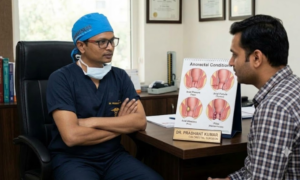
Dr. Prashant Kumar is a Laparoscopic and Robotic Surgeon in New Delhi who provides surgical care for proctology conditions, including piles and fistula, along with gastrointestinal, gallbladder, and hernia conditions.
Can Piles Be Treated Without Surgery?
Yes, some piles can improve without surgery.
For mild hemorrhoids, doctors may initially recommend increasing fiber, drinking adequate fluids, avoiding straining, improving toilet habits, and using appropriate medicines for symptom relief. These measures can help make stools easier to pass and reduce irritation around the anal area.
However, non-surgical treatment does not mean that every patient can avoid a procedure permanently.
If symptoms are severe, keep returning, or do not improve with conservative treatment, a surgeon may recommend an office-based procedure or surgery depending on the diagnosis.
When Can Lifestyle Changes Help Piles?
Lifestyle changes can be particularly useful when constipation, hard stools, or straining contribute to hemorrhoid symptoms.
1. Increase Your Fiber Intake
Fiber helps make stools softer and easier to pass. This can reduce the need to strain during bowel movements.
Good sources of fiber include:
- Fruits
- Vegetables
- Whole grains
- Oats
- Beans and lentils
- Chickpeas
- Nuts and seeds
Increase fiber gradually rather than suddenly, particularly if your current diet is low in fiber.
Adequate fluid intake is also important because fluids help fiber work effectively.
2. Avoid Straining During Bowel Movements
Straining can increase pressure in the veins around the anus and may worsen hemorrhoid symptoms.
Try to relax while using the toilet and avoid repeatedly forcing a bowel movement.
3. Do Not Sit on the Toilet for Long Periods
Spending a long time sitting on the toilet can encourage prolonged straining and may contribute to hemorrhoid problems.
Go when you feel the need to pass stool and avoid unnecessarily prolonged toilet sitting.
4. Stay Physically Active
Regular physical activity can support healthy bowel habits and may help reduce constipation.
If you already have painful or significantly prolapsed hemorrhoids, however, discuss strenuous exercise or heavy lifting with your doctor.
What Medicines Can Help With Piles?
Medicines do not necessarily remove the underlying hemorrhoid, but they may help control symptoms such as itching, swelling, irritation, and mild pain.
Depending on your symptoms, a doctor may recommend:
- Fiber supplements
- Stool-softening measures
- Appropriate pain relief
- Topical hemorrhoid creams or ointments
- Suppositories in selected cases
Over-the-counter hemorrhoid products may provide temporary relief for mild symptoms. NIDDK notes that such products are generally used for a limited period and advises medical review if symptoms do not improve or if side effects develop.
Do not continue self-treatment indefinitely without understanding the cause of your symptoms.
Can a Sitz Bath Help Piles?
A warm sitz bath can provide temporary relief from discomfort, itching, or burning associated with hemorrhoids.
It involves sitting in warm water for a short period so that the anal area is gently soaked.
A sitz bath does not necessarily cure the underlying hemorrhoid, but it can be useful as part of symptom management.
The water should be comfortably warm rather than very hot to avoid burns or skin irritation.
How Long Does Non-Surgical Piles Treatment Take?
There is no fixed recovery period because hemorrhoid symptoms vary considerably.
Some people with mild symptoms may notice improvement after correcting constipation, increasing fiber, improving toilet habits, and using appropriate symptom-relief measures.
However, persistent symptoms should not simply be treated repeatedly at home.
If bleeding, pain, swelling, or prolapse continues despite conservative measures, a doctor can determine whether another treatment is needed.
The important goal is not simply to reduce symptoms temporarily but to identify the cause and choose appropriate treatment.
When Is Piles Treatment Without Surgery Less Likely to Work?
Conservative treatment may not be enough when hemorrhoids are more advanced or symptoms are persistent.
You should seek medical evaluation if you have:
- Repeated rectal bleeding
- A hemorrhoid that repeatedly prolapses
- Significant or persistent pain
- Recurrent swelling
- Symptoms that continue despite lifestyle changes
- Difficulty managing bowel movements
- Symptoms that interfere with everyday life
Some prolapsing or bleeding internal hemorrhoids may require medical treatment beyond home care. Office procedures such as rubber band ligation, sclerotherapy, or infrared treatment may be considered in appropriate cases. More advanced hemorrhoids may require surgical treatment.
Is Every Case of Rectal Bleeding Piles?
No.
Rectal bleeding should not automatically be assumed to be caused by piles.
Hemorrhoids can cause rectal bleeding, but other conditions can also produce similar symptoms. A doctor may use your medical history and physical examination to determine the likely cause and may perform additional examination when required.
This is especially important when bleeding is persistent, heavy, recurrent, or associated with other symptoms.
When Should You See a Piles Surgeon in Delhi?
You should consider a consultation with a surgeon if:
- Your symptoms keep coming back
- Bleeding continues
- You have a lump that comes out during bowel movements
- Pain becomes significant
- Home treatment does not provide adequate relief
- You are unsure whether your symptoms are actually caused by piles
A surgeon can examine the condition and explain whether continued conservative treatment is appropriate or whether a procedure may provide better symptom control.
Does Piles Treatment Always Mean Surgery?
No.
The treatment depends on the patient’s diagnosis and severity.
Some people improve with dietary and lifestyle changes. Others may benefit from medicines or an office-based procedure. Surgery is generally considered when hemorrhoids are severe, persistent, significantly prolapsed, or do not respond adequately to other treatments.
Therefore, patients should not assume that seeing a surgeon automatically means they will need an operation.
A consultation is primarily about diagnosis and treatment planning.
Why Consult Dr. Prashant Kumar for Piles Treatment in Delhi?
Dr. Prashant Kumar is a Laparoscopic and Robotic Surgeon in New Delhi providing surgical care for proctology conditions, including piles and fistula.
Patients can seek consultation to understand the cause of their symptoms and discuss appropriate treatment options.
The treatment approach can depend on the type of hemorrhoid, severity of symptoms, recurrence, previous treatment, and overall health.
For patients who may be suitable for conservative management, the focus can be on understanding appropriate lifestyle and treatment measures. When a procedure or surgery is required, the patient can discuss the available options with the surgeon.
The aim is to provide individualized treatment guidance rather than assuming that every piles case requires surgery.
When Should You Seek Urgent Medical Care?
Do not ignore severe symptoms.
Seek prompt medical attention if you experience:
- Heavy rectal bleeding
- Severe anal pain
- Bleeding accompanied by abdominal pain
- Fever with significant anal symptoms
- Dizziness or weakness associated with bleeding
- Rapidly worsening symptoms
NIDDK specifically advises seeking medical care right away for severe anal pain and rectal bleeding, particularly when abdominal discomfort, diarrhea, or fever is also present.
Frequently Asked Questions
1. Can piles be treated without surgery?
Yes. Mild hemorrhoids may improve with fiber, adequate fluids, better toilet habits, avoiding straining, and appropriate medicines. More persistent or advanced hemorrhoids may require a procedure or surgery.
2. What should I eat if I have piles?
A fiber-rich diet containing fruits, vegetables, whole grains, beans, and other high-fiber foods can help make stools easier to pass. Adequate fluids can also help fiber work effectively.
3. Can piles go away with lifestyle changes?
Mild symptoms can improve when constipation and straining are addressed. However, lifestyle changes may not completely resolve larger, prolapsing, or persistent hemorrhoids. Medical evaluation can help determine the appropriate treatment.
4. When should I see a doctor for piles?
See a doctor if bleeding keeps returning, symptoms become severe, a hemorrhoid repeatedly prolapses, or your symptoms do not improve with basic measures. Rectal bleeding should not automatically be assumed to be piles.
5. Does seeing a piles surgeon mean I will need surgery?
No. A surgeon can first evaluate your symptoms and determine whether lifestyle changes, medicines, an office-based procedure, or surgery is appropriate for your condition.
Suggested Links
https://www.drprashantsurgeon.com
https://www.drprashantsurgeon.com/contact-us
https://drprashantsurgeon.com/blog
Book a Piles Consultation in Delhi
Not every case of piles requires surgery. Mild symptoms may improve with the right diet, bowel habits, lifestyle changes, and appropriate medical treatment. However, persistent bleeding, recurrent prolapse, significant pain, or symptoms that do not improve should be evaluated by a qualified surgeon.
If you are experiencing bleeding, pain, swelling, itching, or a lump around the anus, consult Dr. Prashant Kumar for proper evaluation and personalized treatment guidance.
Dr. Prashant Kumar
Laparoscopic & Robotic Surgeon | Proctology
Address: PSRI Hospital Institute, Press Enclave Marg, J Pocket, Phase II, Sheikh Sarai, New Delhi, Delhi 110017
Phone: +91 81787 85528
Book a consultation today to understand the cause of your symptoms and find out whether medicines and lifestyle changes may be appropriate for your condition.