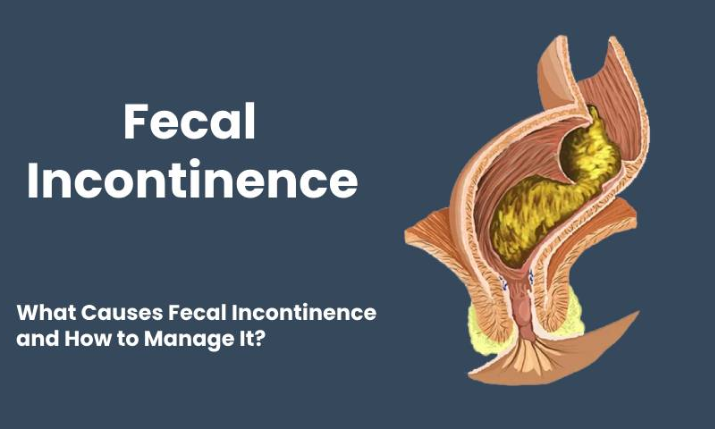
Fecal incontinence is the accidental leakage of stool from the anus when a person cannot fully control bowel movements. It may involve difficulty reaching the toilet in time, passing stool without warning, or noticing stains in underwear. Although the condition can feel embarrassing, it is a medical problem that can often be managed with the right diagnosis and treatment.
Fecal incontinence can develop due to diarrhoea, constipation, weakened anal muscles, nerve damage, or other bowel conditions. If leakage happens repeatedly or affects your daily life, consulting a doctor or colorectal surgeon can help identify the cause and guide treatment.
What Is Fecal Incontinence?
Fecal incontinence, also called bowel incontinence, means losing control over the passage of stool or mucus. Symptoms can range from occasional staining to an urgent need to pass stool that cannot be controlled.
There are two common patterns:
- Urge incontinence: You feel the need to pass stool but cannot hold it until you reach the toilet.
- Passive incontinence: Stool or mucus leaks without you realising it is happening.
Some people experience leakage mainly during diarrhoea, while others have difficulty controlling solid stool. The pattern and frequency can help a doctor understand what may be causing the problem. Source: NIDDK
What Are the Common Causes of Fecal Incontinence?
Fecal incontinence can have more than one cause. Identifying the underlying problem is important because treatment depends on what is affecting bowel control.
1. Diarrhoea and Loose Stools
Loose or watery stool can be harder to hold than formed stool. Diarrhoea caused by infections, food intolerance, irritable bowel syndrome, or inflammatory bowel disease may contribute to leakage.
If bowel leakage begins with persistent diarrhoea, a doctor may investigate the cause and recommend treatment to improve stool consistency.
2. Chronic Constipation
Severe or long-lasting constipation can allow hard stool to collect in the rectum. Softer stool may leak around the impacted stool, sometimes without the person being aware of it.
This is one reason fecal incontinence should not automatically be treated with anti-diarrhoea medicine. The right approach depends on whether the underlying issue is diarrhoea, constipation, or another condition.
3. Weak or Damaged Anal Sphincter Muscles
The anal sphincters are muscles that help keep the anus closed until a bowel movement is appropriate. These muscles can become weak or injured due to childbirth, trauma, or previous anal or rectal surgery.
When the muscles cannot close effectively, controlling stool may become difficult. A colorectal surgeon may assess whether a muscle injury is contributing to the symptoms.
4. Nerve Damage
Nerves help the rectum sense stool and coordinate the muscles involved in bowel control. Nerve damage related to diabetes, spinal cord injury, stroke, or certain neurological conditions may interfere with this process.
A person may have difficulty recognising the need to use the toilet or controlling a bowel movement.
5. Other Bowel and Rectal Conditions
Conditions such as rectal prolapse, inflammatory bowel disease, haemorrhoids, or reduced rectal flexibility may contribute to leakage in some people. The risk can also increase with age, reduced mobility, or multiple contributing health conditions.
Fecal incontinence is a symptom rather than a diagnosis. A proper assessment helps distinguish among these possible causes.
What Are the Symptoms of Fecal Incontinence?
Symptoms vary depending on the underlying cause and severity. Common signs include:
- Leakage of liquid or solid stool.
- A sudden urge to pass stool that is difficult to control.
- Stool or mucus stains in underwear.
- Passing stool without noticing it.
- Difficulty cleaning completely after a bowel movement.
- Leakage associated with diarrhoea or constipation.
You should arrange a medical appointment if these symptoms recur, become more frequent, or affect work, travel, sleep, or social activities. You do not need to wait until the problem becomes severe before seeking help.
Seek urgent medical attention if bowel-control problems begin suddenly alongside severe lower-back pain, new leg weakness, numbness around the groin or anus, or difficulty passing urine. These symptoms can indicate a serious nerve problem. Heavy rectal bleeding, black or dark-red stool, or bloody diarrhoea also requires urgent assessment.
How Is Fecal Incontinence Diagnosed?
Diagnosis begins with understanding your symptoms and looking for the underlying cause. Not everyone needs the same tests.
Medical History and Symptom Review
Your doctor may ask when the leakage began, how often it occurs, whether you can feel the urge to pass stool, and whether you have diarrhoea or constipation. They may also ask about childbirth, previous surgery, medications, neurological conditions, and family history.
Keeping a short diary of bowel movements, food, symptoms, and leakage episodes can help identify patterns.
Physical and Rectal Examination
A physical examination may include an examination of the abdomen and a digital rectal examination, in which a gloved finger is used to assess the anal canal, rectum, and muscle tone. The doctor should explain the examination and answer any questions before proceeding.
Additional Tests
Depending on your symptoms, the doctor may recommend:
- Blood or stool tests: To investigate possible infection, inflammation, anaemia, or other conditions.
- Colonoscopy or other endoscopy: To examine the bowel when symptoms or risk factors make it appropriate.
- Anorectal manometry: To assess pressure and function in the anal sphincters and rectum.
- Ultrasound or MRI: To examine the anal sphincter muscles or surrounding structures when an injury or structural problem is suspected.
These tests are selected according to the clinical findings; they are not required for every patient. Source: NIDDK diagnosis guide
What Treatment Options Are Available?
Treatment depends on the cause, severity, and effect on daily life. Many patients can begin with non-surgical treatment.
Diet and Bowel Habit Changes
A doctor may recommend adjusting fibre and fluid intake according to whether you have loose stools or constipation. A food diary can help identify triggers. Regular toilet routines and allowing enough time for bowel movements may also help.
Medication
Medicines may be recommended to manage diarrhoea, constipation, or an underlying bowel condition. Do not start anti-diarrhoea medicines or laxatives without appropriate advice, particularly if you have unexplained symptoms or possible stool impaction.
Pelvic Floor Exercises and Biofeedback
Pelvic floor muscle training may help some people improve control. Biofeedback is a supervised technique that helps patients understand and coordinate the muscles involved in bowel movements.
Surgery for Selected Patients
If symptoms continue despite appropriate non-surgical treatment, or if an identifiable structural injury is present, specialist treatment may be considered. Options can include repair of damaged anal sphincter muscles or other procedures selected for the individual condition.
Surgery is not necessary for everyone. A colorectal surgeon can explain the likely benefits, limitations, risks, and alternatives before a decision is made. Source: NIDDK treatment guide
When Should You Consult a Colorectal Surgeon?
Consider consulting a colorectal surgeon if bowel leakage keeps happening, affects your quality of life, follows childbirth or an anal injury, or occurs after previous rectal or anal surgery. Specialist assessment may also be appropriate when initial treatment has not helped or when a muscle or structural problem is suspected.
Bring a list of your symptoms, medicines, previous test results, and any relevant surgical or childbirth history. These details can help the specialist decide whether further testing or treatment is needed.
Frequently Asked Questions
1. Can fecal incontinence be treated?
Yes. Treatment depends on the cause and may include dietary changes, medication, bowel training, pelvic floor exercises, biofeedback, or surgery for selected cases.
2. Is fecal incontinence a normal part of ageing?
No. The problem may become more common with age, but repeated stool leakage should not be dismissed as a normal part of ageing. Medical assessment can identify possible causes and treatment options.
3. Can constipation cause fecal incontinence?
Yes. Severe constipation can cause stool to collect in the rectum, allowing softer stool to leak around it. Treatment must address the underlying constipation rather than assuming the problem is diarrhoea.
4. Which tests are used to diagnose fecal incontinence?
Assessment may include a medical history, physical and rectal examination, blood or stool tests, colonoscopy when indicated, anorectal manometry, or imaging. The doctor selects tests based on the symptoms and examination findings.
5. Do all patients with fecal incontinence need surgery?
No. Many patients are treated without surgery. A specialist may consider an operation when symptoms are severe, conservative treatments have not helped, or a specific muscle injury or structural problem needs surgical assessment.
Explore More from Dr. Prashant Kumar
https://www.drprashantsurgeon.com
https://www.drprashantsurgeon.com/contact-us
https://www.drprashantsurgeon.com/about-us
https://www.drprashantsurgeon.com/delhi/treatment/colorectal-surgery
Book a Consultation for Bowel Control Problems in Delhi
Repeated stool leakage is not something you need to manage alone or feel ashamed to discuss. Identifying the cause is the first step toward choosing an appropriate treatment plan.
Contact Dr. Prashant Kumar to discuss your symptoms and find out whether a colorectal assessment is suitable for you.
Call +91 81787 85528 or visit drprashantsurgeon.com to enquire about an appointment.