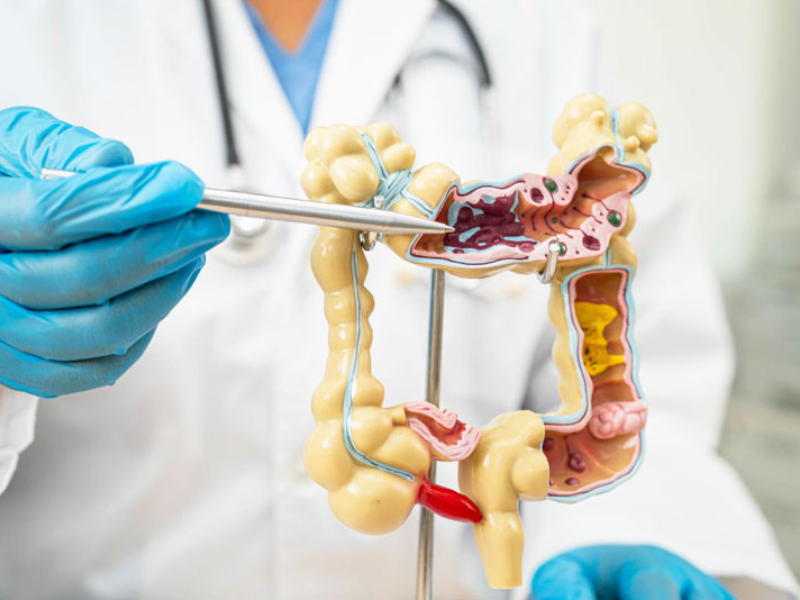
Colorectal surgery focuses on conditions affecting the colon, rectum and anus. These conditions can range from common problems such as piles and anal fissures to more complex conditions involving the bowel, including colorectal cancer, inflammatory bowel disease and diverticular disease.
Not every colorectal condition requires surgery. Some problems can be managed with medicines, dietary changes, lifestyle measures or non-surgical procedures. Surgery may be recommended when symptoms are persistent, complications develop, a condition does not respond adequately to other treatments, or an operation is the most appropriate way to treat the underlying problem.
If you have ongoing bowel symptoms, rectal bleeding, persistent abdominal discomfort or a diagnosed colorectal condition, an evaluation by an experienced surgeon can help determine the right treatment approach.
What Is Colorectal Surgery?
Colorectal surgery includes surgical treatment for diseases affecting the large intestine, rectum and anus.
A colorectal surgeon may evaluate both non-surgical and surgical treatment options. Depending on the condition, assessment may involve a clinical examination, blood tests, colonoscopy, imaging or other specialised investigations.
The treatment plan is based on the patient’s symptoms, diagnosis, medical history and overall health. Specialist colorectal services commonly manage conditions ranging from anal disorders to colorectal cancer and inflammatory bowel disease.
What Conditions Are Treated by a Colorectal Surgeon?
Colorectal surgery covers a wide range of conditions. Some of the commonly treated problems include:
1. Piles or Haemorrhoids
Piles are swollen blood vessels in and around the anus. They may cause bleeding, discomfort, itching or a lump around the anal opening.
Many cases can be managed without surgery. However, persistent symptoms or advanced haemorrhoids may require a procedure or surgery after proper evaluation.
2. Anal Fissure
An anal fissure is a small tear in the lining of the anus. It can cause sharp pain during or after passing stool and may be associated with bleeding.
Treatment depends on whether the fissure is recent or chronic. Some patients improve with medical treatment, while selected persistent cases may require a surgical procedure.
3. Anal Fistula
An anal fistula is an abnormal tunnel between the anal canal and the skin around the anus. It may develop following an anal abscess.
Because an established fistula may not heal properly without treatment, surgical management may be considered depending on its location and complexity.
4. Colorectal Cancer
Colorectal cancer affects the colon or rectum. Symptoms can include changes in bowel habits, blood in the stool, unexplained weight loss, abdominal symptoms or persistent changes in bowel function.
Treatment depends on the type and stage of cancer. Surgery may be an important part of treatment for selected patients and may be combined with other treatments depending on the individual diagnosis.
5. Diverticular Disease
Diverticular disease occurs when small pouches develop in the wall of the colon. Some people have no symptoms, while others may develop abdominal pain or changes in bowel habits.
When complications such as significant infection or other serious problems occur, surgical treatment may be considered. The need for surgery depends on the individual clinical situation.
6. Inflammatory Bowel Disease
Inflammatory bowel diseases such as Crohn’s disease and ulcerative colitis can affect the digestive tract and may cause abdominal pain, diarrhoea, bleeding and other symptoms.
Most patients are managed medically, but surgery can become necessary in selected cases, particularly when complications develop or symptoms cannot be adequately controlled with other treatment approaches.
7. Rectal Prolapse
Rectal prolapse occurs when part of the rectum protrudes through the anus. Treatment depends on the severity of the prolapse, symptoms, overall health and other factors.
Some patients may require surgery to correct the prolapse.
8. Colon and Rectal Polyps
Polyps are growths that develop inside the colon or rectum. Some polyps can be removed during colonoscopy, while others may require further assessment or surgical treatment depending on their size, location, number and pathology findings.
Early identification and appropriate management of colorectal polyps can be important because some types may have the potential to become cancerous.
What Symptoms Should You Not Ignore?
Some colorectal symptoms can have simple causes, but persistent or unexplained symptoms should be evaluated rather than self-treated for a long time.
Important symptoms include:
- Blood in the stool or rectal bleeding
- Persistent change in bowel habits
- Ongoing constipation or diarrhoea
- Repeated abdominal pain or discomfort
- Unexplained weight loss
- Persistent bloating
- Pain during bowel movements
- A lump or swelling around the anus
- Changes in stool appearance
- A feeling of incomplete bowel emptying
- Persistent fatigue associated with other bowel symptoms
Rectal bleeding does not automatically mean cancer, but it should not be ignored, particularly when it is persistent or associated with other concerning symptoms.
When May Colorectal Surgery Be Needed?
A diagnosis of a colorectal condition does not automatically mean that surgery is required.
Surgery may be considered when:
- Symptoms continue despite appropriate non-surgical treatment
- A condition causes significant complications
- There is obstruction or another serious bowel problem
- A fistula or abscess requires surgical treatment
- A colorectal tumour needs surgical removal
- A condition causes repeated or severe episodes
- There is a structural problem that cannot be adequately corrected with conservative treatment
- The surgeon believes surgery offers an appropriate treatment option after evaluating the patient
The decision should be individualised. A colorectal condition may have several possible treatment approaches, and the most appropriate option depends on the diagnosis and the patient’s circumstances.
How Is a Colorectal Condition Diagnosed?
The evaluation depends on the symptoms and suspected condition.
A surgeon may recommend:
- Physical and abdominal examination
- Anal or rectal examination where appropriate
- Blood tests
- Colonoscopy
- Flexible sigmoidoscopy
- Ultrasound
- CT or MRI scans
- Other specialised investigations
Not every patient needs every test. Investigations are selected according to the symptoms and clinical findings.
What Are the Surgical Options?
When surgery is required, the approach depends on the condition, location and complexity of the problem.
Possible approaches may include:
Minimally Invasive Surgery
Laparoscopic surgery uses small incisions and specialised instruments. It may be appropriate for selected colorectal procedures.
Robotic Surgery
Robotic-assisted surgery is another minimally invasive approach that may be considered for selected colorectal operations. Whether it is suitable depends on the patient’s condition, anatomy and the surgeon’s assessment.
Open Surgery
Some complex or urgent conditions may require open surgery. The surgical approach is decided according to what provides the most appropriate treatment for the individual patient.
The aim is not to choose a particular surgical technique simply because it is newer. The appropriate approach depends on the diagnosis, surgical requirements and the patient’s overall health.
Recovery After Colorectal Surgery
Recovery varies considerably depending on the type of operation and the patient’s overall condition.
After surgery, the medical team may provide guidance regarding:
- Wound care
- Diet and fluids
- Physical activity
- Bowel function
- Pain management
- Follow-up appointments
Bowel habits can temporarily change after some colorectal operations, and recovery should be monitored by the treating team. Patients should follow their surgeon’s individual post-operative instructions.
Colorectal Surgery in Delhi With Dr. Prashant Kumar
Dr. Prashant Kumar is a General, Laparoscopic and Robotic Surgeon in Delhi associated with PSRI Hospital. His areas of surgical practice include colorectal surgery along with other abdominal and general surgical conditions.
Patients with persistent bowel symptoms or a diagnosed colorectal condition can undergo an appropriate clinical evaluation to understand the cause of their symptoms and available treatment options.
If surgery is recommended, the procedure and approach can be discussed based on the patient’s diagnosis, medical history and individual requirements.
For more information, visit the Colorectal Surgery service and explore the available treatment options.
Frequently Asked Questions About Colorectal Surgery
Is colorectal surgery only for cancer?
No. Colorectal surgery is used for many conditions affecting the colon, rectum and anus. These can include piles, fissures, fistulas, diverticular disease, inflammatory bowel disease, rectal prolapse, polyps and colorectal cancer.
Does every colorectal condition require surgery?
No. Many colorectal conditions can initially be managed with medicines, lifestyle measures, dietary changes or non-surgical procedures. Surgery is considered when it is clinically appropriate.
When should I see a colorectal surgeon?
You should consider an evaluation if you have persistent rectal bleeding, changes in bowel habits, ongoing abdominal symptoms, recurrent anal problems or a previously diagnosed colorectal condition requiring specialist treatment.
Can piles require colorectal surgery?
Some piles improve with non-surgical treatment, while persistent or advanced cases may require a procedure or surgery. The appropriate treatment depends on the type and severity.
Can an anal fissure require surgery?
Many anal fissures improve with medical treatment. Surgery may be considered for selected chronic or persistent cases when other treatment has not provided adequate improvement.
Is colorectal surgery always open surgery?
No. Depending on the condition and procedure, laparoscopic, robotic or open surgery may be considered. The appropriate approach depends on the patient’s individual circumstances.
How is colorectal cancer treated?
Treatment depends on the type and stage of cancer. Surgery may be an important part of treatment for appropriate patients and may be combined with other cancer treatments when required.
Is rectal bleeding always a sign of cancer?
No. Rectal bleeding can occur with conditions such as piles and anal fissures. However, unexplained or persistent bleeding should be medically evaluated rather than assumed to have a harmless cause.
When Should You Seek Medical Evaluation?
Persistent bowel symptoms should not be ignored, especially when they are accompanied by rectal bleeding, unexplained weight loss, severe abdominal pain, persistent changes in bowel habits or other concerning symptoms.
Early evaluation can help identify the underlying condition and determine whether observation, medical treatment, a procedure or surgery is appropriate.
Book a Colorectal Surgery Consultation in Delhi
If you have persistent bowel symptoms, rectal bleeding, recurrent piles or fistula, or have been diagnosed with a colorectal condition, a specialist evaluation can help you understand your treatment options.
Consult Dr. Prashant Kumar, General, Laparoscopic and Robotic Surgeon in Delhi, at PSRI Hospital for an individual assessment of your colorectal condition and appropriate treatment options.
Book a consultation today to discuss your symptoms, diagnosis and next steps in treatment.