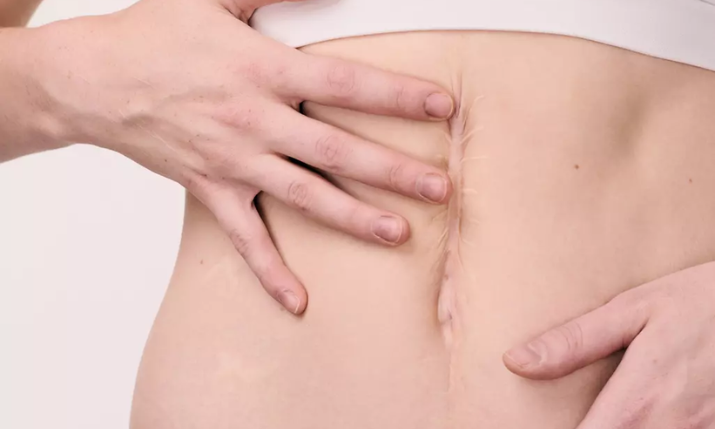
An abdominal surgery can solve one health problem, but sometimes a new issue develops near the surgical scar. If you notice a swelling or bulge around the area where you previously had an operation, it could be an incisional hernia.
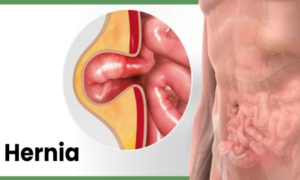
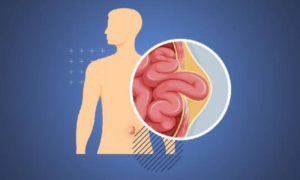
An incisional hernia develops when internal tissue, fat, or part of the intestine pushes through a weakened area of the abdominal wall near a previous surgical incision. It may appear a few months after surgery or even several years later.
Many patients initially ignore a small bulge because it may not cause pain. However, an incisional hernia can increase in size and may require surgical treatment depending on its symptoms and severity.
Understanding the causes, warning signs, diagnosis, and available repair options can help patients seek timely incisional hernia treatment in Delhi.
What Is an Incisional Hernia?
An incisional hernia is a type of abdominal wall hernia that develops at or near the site of a previous surgical incision.
During abdominal surgery, the surgeon makes an opening through the abdominal wall to access internal organs. After the operation, the muscles and connective tissues need to heal properly.
Sometimes, the abdominal wall does not regain sufficient strength. A weak area or gap can develop around the surgical scar, allowing fatty tissue or intestine to push outward and form a visible bulge.
Incisional hernias can occur after open abdominal surgery as well as laparoscopic surgery, particularly around previous incision or instrument-entry sites.
What Causes an Incisional Hernia After Abdominal Surgery?
An incisional hernia usually develops because the abdominal wall becomes weak during or after the healing process. Several factors can contribute to this condition.
1. Poor Wound Healing
If the surgical wound does not heal properly, the tissues around the incision may remain weak. This can increase the possibility of a hernia developing later.
2. Surgical Wound Infection
An infection around the previous surgical incision can interfere with normal tissue healing and weaken the abdominal wall.
3. Obesity and Excess Body Weight
Excess abdominal weight increases pressure inside the abdomen. This pressure can place additional stress on the healing surgical area.
4. Diabetes
Uncontrolled diabetes can affect wound healing and increase the risk of surgical site infections, which may contribute to incisional hernia development.
5. Persistent Coughing or Constipation
Frequent coughing and repeated straining during bowel movements increase abdominal pressure. These factors can place additional stress on a weakened abdominal wall.
6. Smoking and Poor Nutrition
Smoking can interfere with tissue healing. Poor nutritional status may also affect the body’s ability to repair tissues after surgery.
7. Previous Abdominal Operations
Patients who have undergone multiple abdominal surgeries may have weakened or scarred tissues, increasing the risk of an incisional hernia.
What Are the Symptoms of an Incisional Hernia?
Symptoms can vary depending on the size and location of the hernia. Some patients notice only a small swelling, while others experience discomfort or pain.
Common symptoms include:
- A visible bulge near an old surgical scar.
- Swelling that becomes more noticeable while standing.
- A bulge that increases during coughing or sneezing.
- Pain or discomfort around the surgical area.
- A feeling of heaviness or pressure in the abdomen.
- Discomfort while lifting objects or performing physical activities.
- An increase in the size of the swelling over time.
In the early stages, the bulge may become smaller when lying down. However, this does not mean the hernia has healed.
When Is an Incisional Hernia an Emergency?
An incisional hernia can sometimes cause bowel obstruction or strangulation. This happens when tissue becomes trapped inside the hernia opening and its blood supply may be reduced.
Seek immediate medical attention if you experience:
- Sudden or severe abdominal pain.
- A painful bulge that cannot be pushed back.
- Redness or dark discolouration over the swelling.
- Persistent nausea or vomiting.
- Abdominal swelling with inability to pass stool or gas.
- Fever along with severe abdominal symptoms.
These symptoms may indicate a serious complication that requires emergency assessment.
How Is an Incisional Hernia Diagnosed?
A surgeon usually starts with a physical examination and reviews the patient’s previous surgical history.
The examination may include checking the abdominal scar, identifying the swelling, and observing whether the bulge becomes more prominent during coughing or straining.
Depending on the findings, the following investigations may be recommended.
1. Physical Examination
The surgeon checks the location, size, and nature of the swelling. The patient may be examined while standing and lying down.
2. Ultrasound
An abdominal wall ultrasound can help identify the hernia opening and the tissues passing through it.
3. CT Scan
A CT scan provides detailed information about the size, location, and number of hernia defects. It can be particularly useful when planning surgery for large, recurrent, or complex incisional hernias.
The choice of investigation depends on the patient’s symptoms and clinical findings.
What Are the Treatment Options for Incisional Hernia?
Treatment depends on the size of the hernia, symptoms, overall health, and risk of complications.
Unlike some minor muscle injuries, an established incisional hernia does not close by itself. Surgery is the definitive method of repairing the abdominal wall defect.
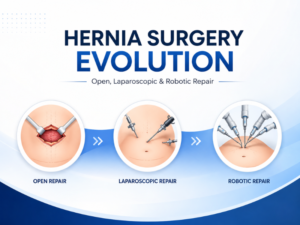
1. Open Incisional Hernia Repair
Open hernia repair involves making an incision near the affected area to access and repair the weakened abdominal wall.
The surgeon places the abdominal tissues back into their appropriate position and closes the defect. A surgical mesh is commonly used to strengthen the repair and reduce the risk of recurrence.
Open surgery may be suitable for patients with certain large, complex, or recurrent hernias.
2. Laparoscopic Incisional Hernia Repair
Laparoscopic hernia repair is a minimally invasive approach that uses a camera and specialised surgical instruments inserted through small incisions.
The surgeon repairs the hernia and places mesh to reinforce the abdominal wall according to the selected technique.
Potential advantages in appropriately selected patients include smaller skin incisions and a lower risk of wound complications compared with some open approaches.
However, laparoscopic surgery is not suitable for every patient.
3. Robotic-Assisted Hernia Repair
Robotic-assisted surgery uses specialised instruments controlled by the surgeon through a robotic surgical system.
It can help with precise tissue handling, suturing, and abdominal wall reconstruction in selected complex cases.
The suitability of robotic surgery depends on the hernia’s characteristics, the patient’s condition, available equipment, and the surgeon’s experience.
4. Component Separation for Complex Hernias
Large or complex incisional hernias may require advanced abdominal wall reconstruction.
Component separation is a surgical technique that helps bring separated abdominal wall muscles closer together so the defect can be closed with less tension.
It may be combined with mesh reinforcement depending on the patient’s condition and surgical plan.
Is Mesh Necessary for Incisional Hernia Repair?
Mesh is commonly used in incisional hernia surgery because it strengthens the abdominal wall and generally reduces the risk of recurrence compared with simple suture repair alone.
The surgeon may select different types of mesh and placement techniques depending on the size and location of the defect, previous operations, and infection risk.
However, mesh placement is not identical in every case. Patients should discuss the expected benefits, possible complications, and alternative approaches with their surgeon.
How Long Does Recovery Take After Incisional Hernia Surgery?
Recovery depends on the type of surgery, size of the hernia, and the patient’s overall health.
Patients may start walking soon after surgery, as advised by their surgical team. Returning to regular activities takes longer and should happen gradually.
Important recovery recommendations include:
- Follow the prescribed medication and wound-care instructions.
- Start gentle walking as recommended.
- Avoid heavy lifting until the surgeon allows it.
- Maintain a healthy diet with adequate protein.
- Prevent constipation and avoid excessive straining.
- Control diabetes and other existing health conditions.
- Attend scheduled follow-up appointments.
Patients undergoing complex abdominal wall reconstruction may need a longer recovery period than those having a smaller, uncomplicated repair.
How Can You Reduce the Risk of Incisional Hernia?
Although not every incisional hernia can be prevented, certain measures can support healthy wound healing and reduce avoidable risks.
- Maintain a healthy body weight.
- Keep blood sugar levels under control.
- Stop smoking before planned surgery.
- Follow post-operative activity restrictions.
- Avoid unnecessary strain during the recovery period.
- Manage chronic coughing and constipation.
- Follow proper wound-care instructions.
- Report wound infection or unusual swelling to your doctor.
Patients should follow their surgeon’s individual advice regarding exercise and lifting restrictions.
Why Consult Dr. Prashant Kumar for Incisional Hernia Treatment in Delhi?
Dr. Prashant Kumar provides surgical care for hernia and abdominal wall conditions in Delhi. His website describes experience in general surgery, laparoscopic procedures, robotic surgery, and abdominal wall reconstruction.
Patients with a swelling near a previous abdominal surgery scar can consult a surgeon to understand the cause and discuss suitable treatment options.
The surgical approach may involve open, laparoscopic, or robotic-assisted repair depending on the size of the hernia, previous operations, general health, and clinical findings.
A proper evaluation helps determine an appropriate treatment plan for each patient.
Frequently Asked Questions
1. Can an incisional hernia develop years after abdominal surgery?
Yes. An incisional hernia can develop months or even years after abdominal surgery. It occurs when the abdominal wall becomes weak near the previous surgical incision.
2. Does an incisional hernia go away on its own?
No. An established incisional hernia does not normally close by itself. Surgery is the definitive treatment, although selected patients with small, minimally symptomatic hernias may be monitored after medical assessment.
3. Is incisional hernia surgery performed with mesh?
Mesh is commonly used to reinforce the abdominal wall and reduce recurrence. The type and placement of mesh depend on the size of the hernia, tissue condition, and surgical requirements.
4. Is laparoscopic surgery possible for an incisional hernia?
Yes. Laparoscopic repair is an option for selected patients. However, large, recurrent, or complex hernias may require open or advanced abdominal wall reconstruction techniques.
5. How long does it take to recover after incisional hernia repair?
Recovery varies depending on the procedure and complexity of the hernia. Many patients gradually return to light activities within the first few weeks, while strenuous activities may require a longer restriction period.
Explore More from Dr. Prashant Kumar
Consult a Surgeon for Incisional Hernia Treatment in Delhi
A new bulge near a previous abdominal surgery scar should not be ignored. Early evaluation can help identify an incisional hernia and determine whether monitoring or surgical repair is appropriate.
Dr. Prashant Kumar provides consultations for hernia and abdominal wall conditions in Delhi.
Call: +91 8178785528
Location: PSRI Hospital, Press Enclave Marg, J Pocket, Phase II, Sheikh Sarai, New Delhi, Delhi 110017.
Consult a qualified surgeon to understand your diagnosis and available treatment options.