Bile duct stones are hard deposits that block the tubes carrying bile from the liver and gallbladder to the intestine. They can cause upper abdominal pain, yellowing of the skin, fever, and digestive problems. Bile duct stones need prompt medical assessment because a blockage can lead to serious infection or inflammation of the pancreas.
Treatment depends on the size and location of the stones, the severity of symptoms, and the patient’s overall health. Doctors may recommend a procedure called ERCP to remove the stones and, in some cases, surgery to treat the underlying gallbladder problem.
What Are Bile Duct Stones?
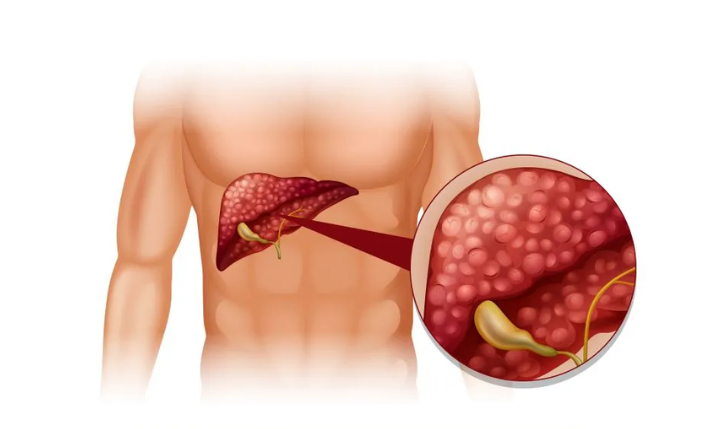
Bile duct stones, also called choledocholithiasis, are stones found in the bile ducts. These narrow tubes carry bile, a digestive fluid produced by the liver, to the small intestine.
Most bile duct stones develop when gallstones move from the gallbladder into the common bile duct. Some stones can also form directly inside the bile ducts.
When a stone blocks the flow of bile, pressure can build up and cause pain, jaundice, or infection. Early diagnosis helps doctors choose the appropriate treatment and reduce the risk of complications.
What Are the Common Symptoms of Bile Duct Stones?
Some patients have no symptoms initially. Others develop noticeable symptoms when a stone blocks the bile duct.
Common symptoms include:
- Upper abdominal pain: Pain may occur in the upper right or middle part of the abdomen and can spread to the back.
- Jaundice: The skin and whites of the eyes may turn yellow.
- Dark urine: Urine may become darker than usual because bile pigments build up in the blood.
- Pale stools: Stools may appear unusually light or clay-coloured.
- Nausea and vomiting: These symptoms may occur alongside abdominal pain.
- Itching: Bile substances accumulating in the body can cause skin itching.
When Are Bile Duct Stones an Emergency?
Seek emergency medical care if you develop fever or chills with abdominal pain or jaundice. These symptoms can indicate cholangitis, a potentially serious infection of the bile ducts.
Severe, persistent upper abdominal pain, especially with repeated vomiting, can also indicate pancreatitis or another complication.
Do not delay medical attention while waiting for symptoms to settle.
What Is the Difference Between Gallbladder Stones and Bile Duct Stones?
Although they are related, gallbladder stones and bile duct stones are not the same.
| Feature | Gallbladder stones | Bile duct stones |
|---|---|---|
| Location | Inside the gallbladder | Inside the bile ducts |
| Common symptoms | Upper abdominal pain, sometimes after meals | Pain, jaundice, or signs of infection |
| Main concern | Recurrent pain or gallbladder inflammation | Bile blockage, infection, or pancreatitis |
| Common treatment | Monitoring or gallbladder removal when indicated | ERCP or another method to clear the duct |
A person can have stones in both places. Removing the gallbladder does not automatically remove a stone already lodged in the bile duct, so the doctor must assess both conditions.
How Are Bile Duct Stones Diagnosed?
Doctors use symptoms, a physical examination, blood tests, and imaging to determine whether a bile duct is blocked.
1. Blood Tests
Blood tests may include bilirubin and liver enzymes to identify signs of bile blockage. Other tests may help detect infection or inflammation of the pancreas.
2. Abdominal Ultrasound
An ultrasound can identify gallbladder stones and may show a widened bile duct. However, small stones inside the bile duct can sometimes be missed.
3. MRCP Scan
Magnetic resonance cholangiopancreatography (MRCP) is a specialised MRI scan that produces detailed images of the bile ducts. It can help identify stones without inserting instruments into the ducts.
4. Endoscopic Ultrasound
Endoscopic ultrasound uses an ultrasound device attached to an endoscope to produce detailed images of the bile ducts. It may be recommended when other tests do not provide a clear answer.
5. ERCP
Endoscopic retrograde cholangiopancreatography (ERCP) allows doctors to examine the bile ducts and remove stones when necessary. Because it carries risks, including pancreatitis, it is generally used when treatment is needed rather than only for diagnosis.
What Are the Treatment Options for Bile Duct Stones?
The treatment plan depends on the location of the stone, whether there is an infection, and the patient’s medical condition.
1. ERCP to Remove Bile Duct Stones
ERCP is a common treatment for stones in the common bile duct. A doctor passes a flexible endoscope through the mouth into the small intestine to reach the opening of the bile duct.
The doctor may widen the opening and use specialised instruments to remove the stones. A temporary stent may be placed if needed to help bile drain.
ERCP can often clear the blockage without an abdominal operation. However, it is not suitable for every situation, and some patients require additional procedures.
2. Antibiotics and Emergency Treatment
If a bile duct blockage causes an infection, patients may need hospital treatment, intravenous fluids, antibiotics, and urgent drainage of the bile duct.
Antibiotics alone may not resolve an infected blockage. Restoring bile flow is often essential.
3. Gallbladder Removal Surgery
When bile duct stones have come from the gallbladder, doctors may recommend laparoscopic gallbladder removal after the bile duct has been cleared, depending on the patient’s condition.
This helps reduce the chance of further gallstone-related problems. In selected cases, the bile duct stones can be treated surgically during the same operation.
4. Surgical Bile Duct Exploration
If ERCP is unsuccessful or unsuitable, a surgeon may remove the stones directly from the bile duct. The approach depends on the anatomy, the stone burden, available expertise, and the patient’s health.
Your treating team will explain the benefits, risks, and alternatives before proceeding whenever the situation allows.
How Long Does Recovery Take After Treatment?
Recovery depends on the treatment performed and whether complications were present.
Some patients go home relatively soon after an uncomplicated ERCP. Patients treated for a severe infection or pancreatitis may need a longer hospital stay. Recovery after gallbladder surgery also varies according to the procedure and overall health.
Follow your doctor’s instructions regarding food, medication, wound care, and follow-up visits. Seek urgent care if fever, jaundice, worsening abdominal pain, or persistent vomiting develops after treatment.
Can Bile Duct Stones Come Back?
Yes. Stones can recur, and additional stones may develop if the gallbladder remains in place. The risk varies from patient to patient.
Follow-up appointments help doctors check whether the bile duct has been cleared and whether further treatment is necessary. Removing the gallbladder may reduce future gallstone-related problems when medically appropriate, but it does not guarantee that bile duct stones will never return.
Explore More from Dr. Prashant Kumar
https://www.drprashantsurgeon.com
https://www.drprashantsurgeon.com/contact-us
https://www.drprashantsurgeon.com/about-us
Frequently Asked Questions
1. Can bile duct stones pass on their own?
Some stones may pass into the intestine, but this cannot be assumed. A stone can remain stuck and cause a blockage, infection, or pancreatitis. Medical evaluation is important when a bile duct stone is suspected.
2. Is ERCP painful?
ERCP is usually performed with sedation or anaesthesia to improve comfort. Some patients experience temporary bloating or a sore throat afterward. Your doctor will explain the procedure and its risks, including pancreatitis.
3. Do bile duct stones always require surgery?
Not every patient needs conventional surgery. ERCP can remove many bile duct stones. Surgery may be needed if ERCP is unsuitable or unsuccessful, or to treat the gallbladder that caused the stones.
4. Can bile duct stones cause jaundice?
Yes. A stone can block the flow of bile, causing bilirubin to accumulate and turn the skin and eyes yellow. New jaundice should be assessed urgently, especially if accompanied by fever or abdominal pain.
5. What happens if bile duct stones are left untreated?
Untreated stones may cause persistent blockage, bile duct infection, or acute pancreatitis. The seriousness depends on the location of the stone and the complications it causes. Prompt medical assessment helps determine the safest treatment.
Book a Consultation for Bile Duct Stone Treatment in Delhi
Abdominal pain, jaundice, dark urine, or fever may indicate a bile duct problem that requires medical attention. Early assessment can help identify the blockage and determine whether ERCP, surgery, or another treatment is appropriate.
Consult Dr. Prashant Kumar in Delhi to discuss your symptoms and available surgical treatment options.
Call +91 81787 85528 or visit drprashantsurgeon.com to enquire about an appointment.