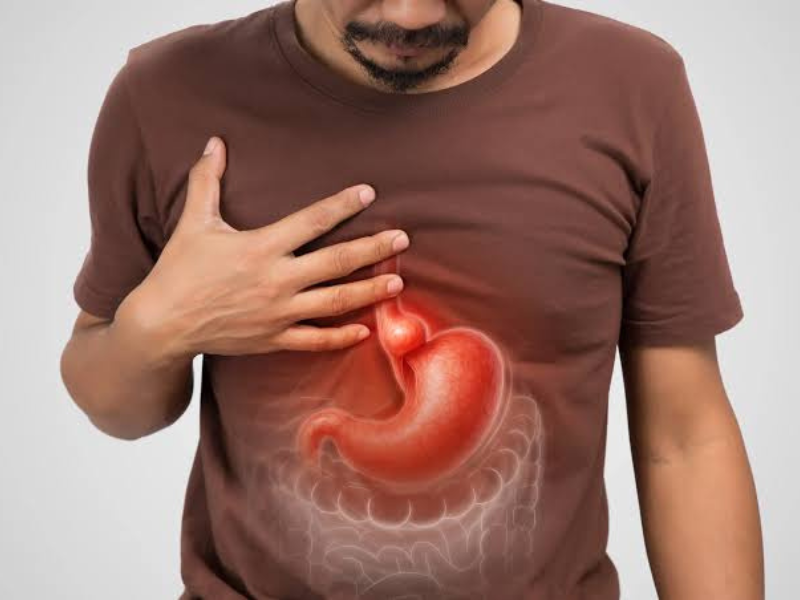
A hiatal hernia occurs when part of the stomach moves upward through an opening in the diaphragm, the muscle that separates the chest from the abdomen. Some people with a hiatal hernia may have no noticeable symptoms, while others may experience acidity, heartburn, regurgitation, chest discomfort or difficulty swallowing.
Hiatal hernia can also be associated with gastroesophageal reflux disease (GERD). The right treatment depends on the type and size of the hernia, symptoms, reflux-related problems and the patient’s overall health. If symptoms are persistent or affecting daily life, a proper evaluation by a surgeon can help determine the most suitable treatment approach.
What Is a Hiatal Hernia?
A hiatal hernia develops when part of the stomach passes through the natural opening in the diaphragm called the hiatus and moves into the chest area.
There are different types of hiatal hernia. A common type is a sliding hiatal hernia, in which the junction between the food pipe and stomach moves above the diaphragm. Other types are less common and may involve a larger portion of the stomach moving through the diaphragm.
Not every hiatal hernia requires surgery. Treatment is based on symptoms, hernia type, associated reflux and other findings during medical evaluation.
What Are the Symptoms of Hiatal Hernia?
Small hiatal hernias may not cause any symptoms. When symptoms occur, they may be related to acid reflux or pressure from the hernia.
Common hiatal hernia symptoms may include:
- Heartburn or frequent acidity
- Regurgitation of food or stomach acid
- Chest or upper abdominal discomfort
- Difficulty or discomfort while swallowing
- Feeling full quickly after eating
- Frequent belching
- Bloating
- Nausea
- Symptoms that become worse after meals or while lying down
Some patients may have symptoms that appear similar to ordinary acidity. This is why persistent or recurring symptoms should not simply be ignored.
If heartburn, reflux or swallowing problems continue despite appropriate medical treatment, a doctor may recommend further evaluation for conditions such as hiatal hernia and GERD.
What Causes a Hiatal Hernia?
The exact cause can vary from person to person. A hiatal hernia may develop when the tissues around the diaphragm become weaker or when increased pressure is placed on the abdomen.
Factors that may be associated with hiatal hernia include:
- Increasing age
- Weakness of the diaphragm or surrounding tissues
- Increased abdominal pressure
- Obesity
- Persistent coughing
- Straining during bowel movements
- Heavy lifting
- Pregnancy
- Previous injury or surgery in selected cases
Having one or more of these factors does not mean that a person will definitely develop a hiatal hernia. A proper medical assessment is required to confirm the condition.
How Is Hiatal Hernia Diagnosed?
A doctor may first review your symptoms, medical history and previous treatment for acidity or reflux.
Depending on the symptoms, further investigations may be recommended. These can include:
- Upper gastrointestinal endoscopy
- Imaging studies such as X-ray or other appropriate scans
- Tests to assess acid reflux
- Esophageal function testing in selected patients
The exact tests depend on the patient’s symptoms and the suspected type of hiatal hernia.
A proper diagnosis is important because not every symptom of acidity or chest discomfort is caused by a hiatal hernia.
What Are the Treatment Options for Hiatal Hernia?
Treatment depends on the severity of symptoms and the findings during evaluation.
Lifestyle and Medical Management
Patients with mild symptoms may initially be managed with lifestyle changes and medicines recommended by their doctor.
Depending on the individual situation, doctors may advise:
- Avoiding foods that clearly trigger reflux symptoms
- Eating smaller meals
- Avoiding lying down immediately after meals
- Maintaining a healthy weight where appropriate
- Reducing habits that worsen reflux
- Taking prescribed medicines as advised
These measures can help control symptoms in suitable patients, but they do not physically repair the hiatal hernia.
Hiatal Hernia Surgery
Surgery may be considered when symptoms are significant, persistent, associated with complications, or not adequately controlled with appropriate non-surgical treatment. The decision is individualized rather than based on the diagnosis alone.
Modern hiatal hernia surgery may involve repairing the opening in the diaphragm and, when appropriate, addressing associated reflux. The exact procedure depends on the patient’s anatomy, symptoms, hernia type and other clinical factors.
Current surgical guidance emphasizes individualized assessment and shared decision-making when considering hiatal hernia repair.
For patients who require an operation, minimally invasive approaches may be considered when clinically appropriate.
When Should You See a Hiatal Hernia Surgeon?
You should consider medical evaluation if you regularly experience:
- Persistent heartburn or acidity
- Food or acid coming back into the mouth
- Difficulty swallowing
- Repeated chest or upper abdominal discomfort
- Reflux symptoms that continue despite treatment
- Symptoms that interfere with eating or sleeping
- A previously diagnosed hiatal hernia with worsening symptoms
Sudden severe chest pain, difficulty breathing, vomiting blood, black stools or severe swallowing difficulty requires urgent medical attention because these symptoms can have causes other than a hiatal hernia.
Can Every Hiatal Hernia Be Treated With Surgery?
No. Surgery is not automatically required for every person with a hiatal hernia.
Some people have a hiatal hernia without significant symptoms and may be managed with observation or medical treatment. For others, especially those with persistent symptoms or specific anatomical or reflux-related problems, surgery may be considered.
The decision should be based on proper diagnosis, symptoms, overall health and discussion between the patient and treating surgeon. Current SAGES guidance also notes that evidence is not strong enough to apply one surgical approach to every patient.
Hiatal Hernia Treatment in Delhi With Dr. Prashant Kumar
Dr. Prashant Kumar is a General, Laparoscopic and Robotic Surgeon in Delhi associated with PSRI Hospital, Sheikh Sarai, New Delhi. His practice includes minimally invasive surgical care for conditions including hiatal hernia and other abdominal disorders.
Patients with suspected hiatal hernia can undergo an evaluation of their symptoms, previous reports and relevant investigations. If surgery is appropriate, the treatment plan can be discussed based on the patient’s individual condition rather than using a one-size-fits-all approach.
You can explore the Hiatal Hernia Surgery section of the website to learn more about the surgical service, or visit the Dr. Prashant Kumar website for consultation and appointment information.
Frequently Asked Questions About Hiatal Hernia
1. What is the most common symptom of a hiatal hernia?
Heartburn and acid reflux are common symptoms, although some people with a hiatal hernia may have no symptoms at all.
2. Can a hiatal hernia cause acidity?
Yes. A hiatal hernia can be associated with gastroesophageal reflux, which may cause heartburn, acidity and regurgitation.
3. Can a hiatal hernia go away on its own?
A hiatal hernia is a structural change and should not be assumed to disappear on its own. Symptoms may sometimes be controlled with medicines and lifestyle measures, but the appropriate management depends on the individual case.
4. When is hiatal hernia surgery needed?
Surgery may be considered when symptoms are persistent or significant, when medical management is not adequate, or when specific complications or anatomical findings make surgical treatment appropriate.
5. Is hiatal hernia surgery always minimally invasive?
Many suitable patients can be treated using minimally invasive techniques, but the surgical approach depends on the type and complexity of the hernia and the patient’s overall condition.
6. Which doctor treats a hiatal hernia?
A general or gastrointestinal surgeon with experience in hiatal hernia and minimally invasive surgery can evaluate the condition and discuss appropriate treatment options.
7. Can a hiatal hernia cause difficulty swallowing?
Yes. Some patients may experience difficulty or discomfort while swallowing. Persistent swallowing problems should be medically evaluated.
8. Can I live with a hiatal hernia without surgery?
Some people with mild or asymptomatic hiatal hernia can be managed without surgery. However, treatment should be based on proper medical evaluation rather than symptoms alone.
Book a Consultation for Hiatal Hernia Evaluation in Delhi
Persistent acidity, reflux, chest discomfort or swallowing difficulty should not always be treated as ordinary indigestion. A proper evaluation can help identify whether a hiatal hernia or another condition is responsible for the symptoms.
If you have been diagnosed with a hiatal hernia or are experiencing persistent reflux-related symptoms, consult Dr. Prashant Kumar at PSRI Hospital, Sheikh Sarai, New Delhi, for an individualized evaluation and discussion of suitable treatment options.
Book a consultation to understand your diagnosis, treatment choices and whether surgical management may be appropriate for your condition.