Gallbladder stones are common and may not always cause symptoms. Some people have gallstones without knowing they have them, while others may experience stomach pain, nausea, vomiting, or discomfort after eating.
A common question is: Do all gallbladder stones require surgery?
The answer is no. The need for treatment depends on your symptoms, the size and location of the stones, complications, and your overall health. If you have been diagnosed with gallstones, a consultation with an experienced surgeon can help you understand whether you need treatment or regular observation.
If you are looking for gallbladder stone surgery in Delhi, this guide explains when surgery may be recommended and when waiting may be an option.
What Are Gallbladder Stones?
Gallbladder stones, also called gallstones, are solid particles that form inside the gallbladder. The gallbladder is a small organ located below the liver. It stores bile, which helps the body digest fats.
Gallstones can vary in size and number. Some people may have a single stone, while others may have several stones.
Gallstones may be found during an ultrasound or other imaging test performed for another reason.
Do All Gallbladder Stones Need Surgery?
No, not every gallstone needs surgery.
If gallstones are found accidentally and are not causing symptoms or complications, a doctor may recommend observation rather than immediate surgery.
However, if gallstones cause repeated pain, inflammation, infection, or other problems, treatment may be recommended.
The decision should be based on your individual condition rather than only the presence of stones.
When Can You Wait and Observe Gallbladder Stones?
If you have gallstones but do not have symptoms, your doctor may recommend monitoring the condition.
Observation may be considered when:
- Gallstones were found accidentally
- You do not have typical gallstone symptoms
- There are no signs of inflammation or infection
- There are no complications related to the stones
- Your doctor does not find a current need for surgery
However, this does not mean that gallstones will never cause problems. Symptoms can develop later, so it is important to follow your doctor’s advice and seek medical attention if new symptoms appear.
When Is Gallbladder Stone Surgery Recommended?
Surgery may be recommended when gallstones are causing repeated or significant symptoms.
Some common situations include:
1. Repeated Gallbladder Pain
Gallstones can cause episodes of pain when a stone affects the normal flow of bile.
The pain may occur in the upper right or upper middle part of the abdomen. It can sometimes occur after eating, particularly after a heavy or fatty meal.
Repeated episodes should be evaluated by a surgeon.
2. Gallbladder Inflammation
Gallstones can sometimes block the normal drainage of the gallbladder and lead to inflammation.
Symptoms may include:
- Persistent abdominal pain
- Fever
- Nausea or vomiting
- Tenderness in the upper abdomen
When inflammation is suspected, medical evaluation should not be delayed.
3. Gallbladder Infection
A blocked gallbladder can sometimes become infected. This may cause increasing pain, fever, and feeling unwell.
In such situations, prompt medical assessment is important to determine the appropriate treatment.
4. Problems Caused by Stones Moving Into the Bile Duct
Sometimes a gallstone can move from the gallbladder into a bile duct and cause blockage.
This may lead to symptoms such as:
- Yellowing of the eyes or skin
- Dark urine
- Pale stools
- Abdominal pain
- Nausea or vomiting
These symptoms require medical evaluation because bile duct blockage can lead to further problems.
5. Recurrent Gallstone Attacks
If you repeatedly experience pain or other symptoms because of gallstones, your surgeon may discuss gallbladder surgery with you.
The aim is to prevent repeated episodes and reduce the chance of further gallstone-related problems.
What Does Gallbladder Stone Pain Feel Like?
Gallstone pain can vary between individuals.
It may feel like:
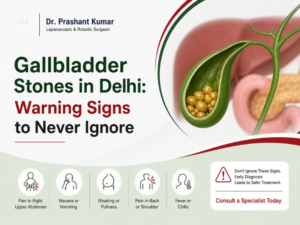
- Pain in the upper right abdomen
- Pain in the upper middle abdomen
- Pain after eating
- Pain that may spread toward the back or shoulder
- A feeling of pressure or discomfort
Some people may also experience nausea or vomiting.
If abdominal pain keeps returning, it is important not to assume that gallstones are always the cause. Other digestive and abdominal conditions can produce similar symptoms.
What Happens During Gallbladder Stone Surgery?
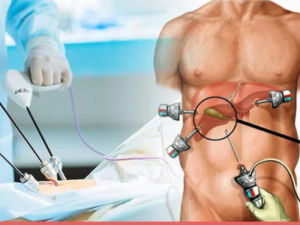
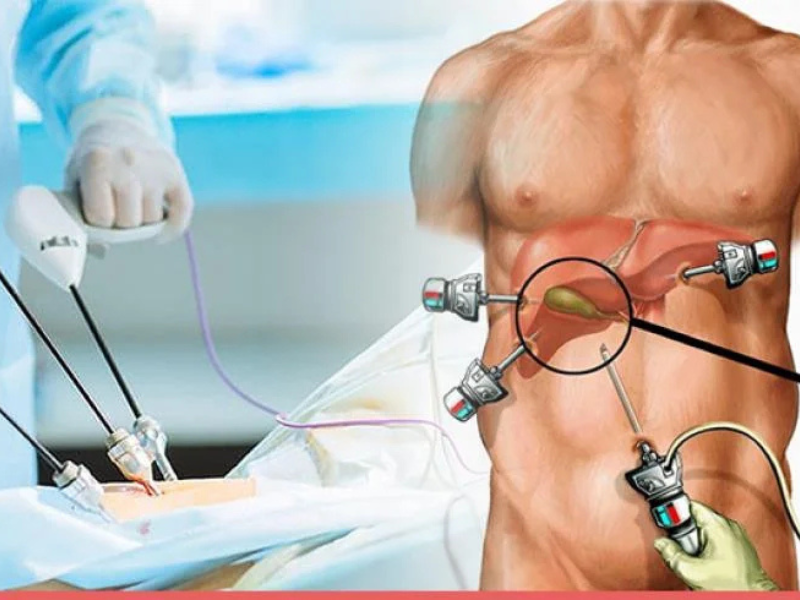
When surgery is recommended, laparoscopic gallbladder surgery is commonly used for suitable patients.
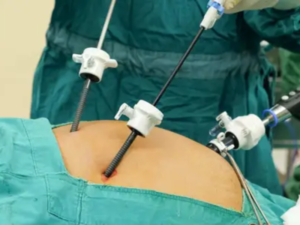
During laparoscopic surgery, the surgeon makes small incisions and uses a camera and specialized instruments to remove the gallbladder.
The exact surgical approach depends on the patient’s condition, medical history, and the surgeon’s assessment.
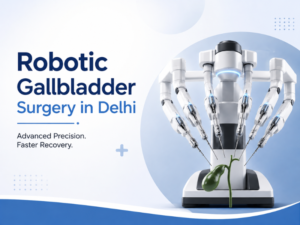
In selected cases, other minimally invasive approaches may also be considered.
Can Gallbladder Stones Be Removed Without Removing the Gallbladder?
Treatment depends on the individual situation.
Gallstones can sometimes be managed without immediate surgery when they are not causing symptoms. However, when symptomatic gallstones repeatedly cause problems, removing only the stones may not address the underlying tendency for stones to form.
Your surgeon can explain the most suitable treatment based on your symptoms and diagnostic findings.
What Should You Do If You Have Gallstones but No Pain?
If you have gallstones but no symptoms, do not panic.
The appropriate next step is to discuss the findings with your doctor. Depending on your condition, your doctor may recommend observation and tell you which symptoms should prompt another consultation.
It is also important to understand your ultrasound or other imaging report rather than making a treatment decision based only on the presence or size of a gallstone.
When Should You See a Surgeon?
You should consider consulting a surgeon if you have:
- Repeated pain in the upper abdomen
- Abdominal pain after eating
- Nausea or vomiting associated with abdominal pain
- Fever with abdominal pain
- Yellowing of the eyes or skin
- Repeated gallstone attacks
- A known gallstone with new symptoms
If you develop severe or persistent abdominal pain, fever, repeated vomiting, or yellowing of the skin or eyes, seek medical attention promptly.
Gallbladder Stone Surgery in Delhi
If you have been diagnosed with gallstones and are unsure whether you need surgery, an experienced surgical consultation can help you understand your options.
Dr. Prashant Kumar, General, Laparoscopic and Robotic Surgeon in Delhi, provides consultation and surgical care for gallbladder conditions, including gallbladder stones.
Patients can discuss their symptoms, ultrasound findings, medical history, and treatment options during consultation.
The goal is to choose an appropriate treatment plan based on the individual patient’s condition.
Frequently Asked Questions
1. Do all gallbladder stones require surgery?
No. Gallstones that do not cause symptoms or complications may sometimes be observed. Surgery may be considered when stones cause repeated symptoms or related problems.
2. Can gallstones go away on their own?
Gallstones generally do not disappear simply because symptoms stop. If you have been diagnosed with gallstones, discuss the findings with your doctor.
3. Can I wait if I have gallstones but no symptoms?
In many cases, people with symptom-free gallstones may be monitored rather than undergoing immediate surgery. Your doctor can determine whether observation is appropriate for you.
4. Is surgery needed for repeated gallstone pain?
Repeated symptoms caused by gallstones may be a reason to discuss surgery with a surgeon. The recommendation depends on your individual condition.
5. Can gallstones cause pain after eating?
Yes. Gallstone-related pain can occur after meals, especially after heavy or fatty meals, although other conditions can also cause abdominal pain after eating.
6. What is the common surgery for gallstones?
For suitable patients who require surgery, laparoscopic gallbladder surgery is commonly performed. Your surgeon will determine the appropriate approach based on your condition.
7. When should gallbladder pain be checked urgently?
Persistent or severe abdominal pain, fever, repeated vomiting, or yellowing of the skin or eyes should be medically evaluated promptly.
Book a Consultation With Dr. Prashant Kumar
Having gallstones does not always mean that you need immediate surgery. However, repeated pain or symptoms should not be ignored.
If you are looking for gallbladder stone surgery in Delhi, consult Dr. Prashant Kumar to understand your diagnosis and available treatment options.
Contact
Press Enclave Marg, J Pocket, Phase II, Sheikh Sarai, New Delhi, Delhi 110017
0113061 1900 / 8178785528
contact@drprasahntkurnarsurgeon.com
Mon – Sat: 10:00 AM to 5:00 PM
Sun: Closed