Piles Treatment in Delhi: Symptoms, Causes & When You Should Visit a Surgeon
Piles — medically known as haemorrhoids — are one of the most common yet underreported conditions seen in proctology clinics across the capital. Many people silently endure discomfort for months before seeking help. If you have been searching for reliable information on piles treatment in Delhi, this guide walks you through everything you need to know: what piles are, why they develop, how they are graded, what treatment options exist, and — critically — when it is time to stop managing symptoms at home and see a specialist.
Understanding Piles: What Is Actually Happening Inside?
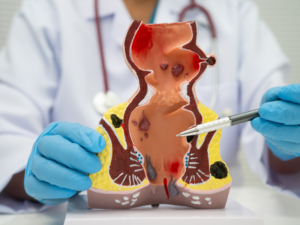
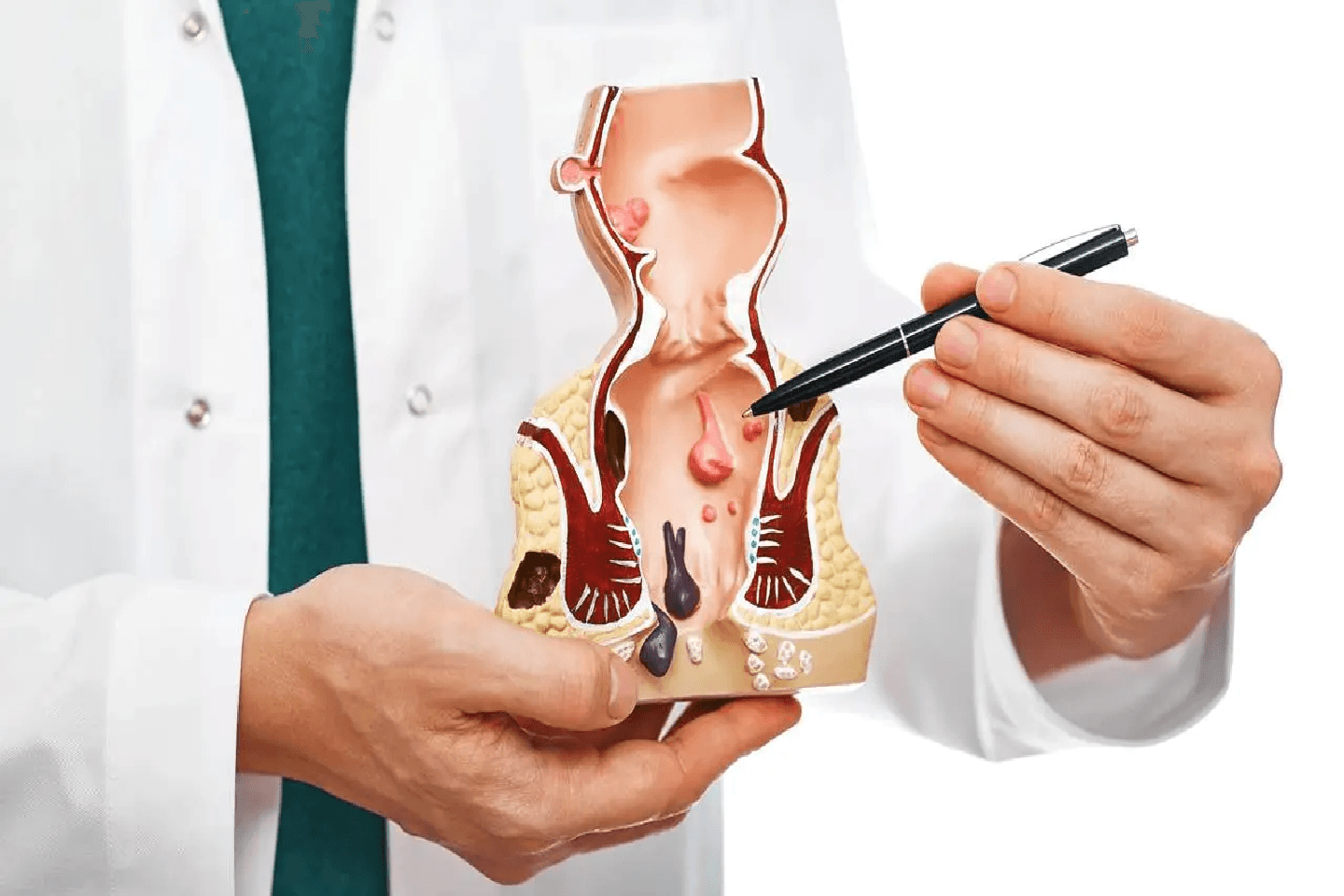
Piles are swollen, inflamed vascular cushions located in the lower rectum or around the anus. These cushions are normal structures that help control bowel movements. When they become enlarged due to increased pressure or weakened supporting tissue, they cause the symptoms people associate with piles.
There are two primary types:
- Internal piles — located inside the rectum, usually painless but often causing bleeding.
- External piles — located under the skin around the anus, often painful, especially when a clot forms (thrombosed external haemorrhoid).
Some patients develop a combination of both, which typically produces a wider range of symptoms.
Grading Internal Piles
Proctologists use a four-grade classification to guide treatment decisions:
| Grade | Description | Typical Presentation |
|---|---|---|
| Grade I | Swollen cushions that do not prolapse | Painless rectal bleeding |
| Grade II | Prolapse during straining, spontaneous reduction | Bleeding, mucus discharge, itching |
| Grade III | Prolapse requiring manual reduction | Bleeding, discomfort, soiling |
| Grade IV | Permanently prolapsed, cannot be reduced | Severe pain, bleeding, significant discomfort |
Grades I and II are usually managed conservatively or with office-based procedures. Grades III and IV more frequently require surgical intervention.
Common Symptoms of Piles You Should Not Ignore
Recognising symptoms early gives you the best chance of treating piles before they progress to a more advanced stage. Common signs include:
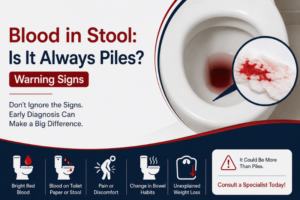
- Bright red blood on toilet paper, in the toilet bowl, or coating the stool
- A lump or swelling near the anus that may be tender or hard
- Itching or irritation in the anal area, sometimes with mucus discharge
- A sensation of incomplete bowel emptying after passing stool
- Pain or discomfort during or after a bowel movement
- Soiling of underwear due to mucus leakage
Important: rectal bleeding should never be dismissed as "just piles" without a clinical assessment. A proctologist will rule out other causes, including colorectal polyps or malignancy, before confirming the diagnosis.
What Causes Piles? Key Risk Factors
Piles develop when pressure in the veins of the rectum and anus increases over time, weakening the surrounding tissue. Several factors contribute to this:
Lifestyle and Dietary Factors
- Low-fibre diet leading to hard stools and straining during defecation
- Inadequate water intake, worsening constipation
- Sedentary habits or prolonged sitting, especially on the toilet
- Heavy lifting regularly, which raises intra-abdominal pressure
Medical and Physiological Factors
- Chronic constipation or diarrhoea — both extremes stress the rectal veins
- Pregnancy — the growing uterus puts direct pressure on pelvic blood vessels
- Obesity — excess weight consistently increases rectal venous pressure
- Ageing — supporting tissues naturally weaken with age
- Hereditary tendency — a family history of piles increases your risk
Understanding your personal risk factors helps both in treating existing piles and preventing recurrence after treatment.
Piles Treatment in Delhi: Non-Surgical Options
For early-stage piles (Grade I and II, and selected Grade III), a range of non-surgical and minimally invasive options are available at proctology centres across Delhi.
Dietary and Lifestyle Modification
This is always the foundation of management. Increasing dietary fibre (vegetables, whole grains, legumes), drinking at least 2–3 litres of water daily, and avoiding prolonged toilet sitting can significantly reduce symptoms in mild cases.
Medications
A proctologist may recommend:
- Fibre supplements (psyllium husk) to soften stools
- Topical creams or suppositories to reduce inflammation and discomfort
- Oral venotonic drugs that improve venous tone
Medications manage symptoms but rarely cure piles permanently on their own.
Office-Based Procedures
- Rubber Band Ligation (RBL): A small rubber band is placed around the base of the internal pile, cutting off its blood supply. The tissue shrinks and falls away within days. Effective for Grade I–III internal piles.
- Sclerotherapy: A chemical solution is injected into the pile to shrink it. Suitable for Grade I–II.
- Infrared Coagulation (IRC): Infrared light coagulates the blood supply to the pile. Useful for smaller internal haemorrhoids.
These procedures are typically performed in an outpatient setting with minimal recovery time.
Surgical Treatment Options
When conservative measures fail or piles have progressed to Grade III–IV, surgery provides the most definitive resolution.
Conventional Haemorrhoidectomy
The traditional surgical approach involves excising the haemorrhoidal tissue under anaesthesia. It is highly effective and appropriate for large, mixed, or complicated piles. Recovery takes one to two weeks, with some post-operative discomfort during the healing phase.
Stapler Haemorrhoidopexy (MIPH)
A circular stapling device repositions and removes a ring of excess tissue, restoring the haemorrhoidal cushions to their normal anatomical position. This technique:
- Produces less post-operative pain than conventional surgery
- Allows faster return to daily activities
- Is best suited to circumferential or Grade III–IV internal piles
Laser Haemorrhoidoplasty
Laser energy is delivered via a thin probe into the haemorrhoidal tissue, causing controlled shrinkage. Benefits include:
- Minimal blood loss
- Reduced post-operative pain
- Short hospital stay, often day-care
- Lower risk of incontinence
Laser treatment has become increasingly popular at specialised proctology centres in Delhi for eligible patients.
When Should You Visit a Surgeon?
Many people delay seeking care out of embarrassment or the hope that symptoms will resolve on their own. Here are clear signals that it is time to consult a proctologist:
- Rectal bleeding that is persistent, heavy, or recurrent — even a small amount of blood should be evaluated professionally.
- A prolapsed lump that cannot be pushed back — this indicates Grade IV piles and warrants urgent assessment.
- Severe pain that is not relieved by over-the-counter remedies within 48–72 hours.
- Symptoms that have not improved after two to four weeks of dietary changes and medications.
- Mucus or stool leakage affecting your quality of life.
- Suspected thrombosed external haemorrhoid — a sudden, very painful hard lump requires prompt evaluation.
- Any change in bowel habits accompanying haemorrhoid symptoms, which needs investigation to rule out other conditions.
Delaying treatment allows piles to progress to higher grades, reducing the likelihood of successful non-surgical management and increasing the complexity of eventual surgery.
Frequently Asked Questions
Are piles and fissures the same condition?
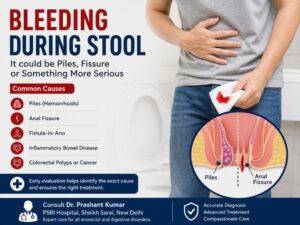
No. Piles (haemorrhoids) are swollen vascular cushions in the rectum or around the anus, while an anal fissure is a small tear in the lining of the anal canal. Both cause similar complaints such as pain and bleeding, but they are distinct conditions with different treatments. A proctologist can distinguish between them with a simple clinical examination.
Can piles return after treatment?
Piles can recur, particularly if the underlying lifestyle factors — low fibre intake, straining, sedentary behaviour — are not corrected. Surgical procedures such as haemorrhoidectomy and laser treatment have low recurrence rates when combined with sustained dietary changes. Your surgeon will advise on long-term prevention strategies after treatment.
Is laser surgery for piles safe?
Laser haemorrhoidoplasty has an established safety profile when performed by an experienced proctological surgeon. The risk of serious complications is low. As with any procedure, your surgeon will conduct a pre-operative assessment and discuss the benefits and risks specific to your case.
How long is the recovery after piles surgery in Delhi?
Recovery varies by procedure. Rubber band ligation and laser procedures typically allow patients to return to light activity within one to three days. Stapler surgery recovery is generally five to seven days. Conventional haemorrhoidectomy may require one to two weeks before resuming normal activity. Your surgeon will provide a personalised recovery plan.
Do I need to be admitted to hospital for piles surgery?
Many modern procedures — including laser haemorrhoidoplasty and rubber band ligation — are performed as day-care procedures, meaning you go home the same day. Conventional haemorrhoidectomy may require an overnight stay. The requirement depends on the grade of piles, the chosen procedure, and your overall health.
Conclusion
Piles are highly treatable at every stage, and the range of options available in Delhi — from simple lifestyle adjustments and office-based procedures to advanced laser and stapler surgery — means that almost every patient can achieve lasting relief. The key is not to wait. Rectal bleeding, persistent discomfort, or a prolapsing lump are your body’s way of telling you that professional assessment is overdue. A qualified proctologist can accurately grade your condition, rule out other diagnoses, and design a treatment plan tailored specifically to you. Early intervention consistently leads to simpler treatment, faster recovery, and a significantly lower chance of recurrence.
🌐 Visit our website:
https://www.drprashantsurgeon.com/
📖 Explore more expert articles:
https://www.drprashantsurgeon.com/