Modern surgery has changed significantly with the development of minimally invasive techniques. Laparoscopic surgery and robotic surgery are two advanced approaches that can be used for selected conditions. Both techniques use small incisions instead of a large open incision.
A common question patients ask is: “Is robotic surgery better than laparoscopic surgery?”
The answer is not the same for every patient. The right approach depends on the condition, the type of procedure, the patient’s overall health, and the surgeon’s experience.
If you are considering laparoscopic or robotic surgery in Delhi, understanding the basic differences can help you have a more informed discussion with your surgeon.
What Is Laparoscopic Surgery?
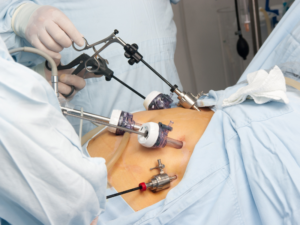
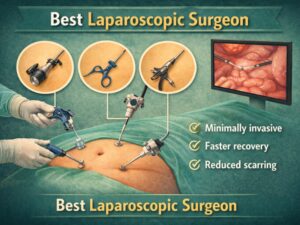
Laparoscopic surgery is a minimally invasive surgical technique. Instead of making one large incision, the surgeon makes small incisions through which a camera and specially designed surgical instruments are inserted.
The camera provides a magnified view of the surgical area on a monitor. The surgeon uses this view to perform the procedure with precise movements.
Laparoscopic surgery is commonly used for conditions such as:
- Gallbladder stones
- Hernia
- Appendix problems
- Certain colorectal conditions
- Some abdominal procedures
- Selected gastrointestinal conditions
One of the main benefits of laparoscopic surgery is that it can reduce the size of the surgical incision compared with traditional open surgery.
What Is Robotic Surgery?
Robotic surgery is also a minimally invasive approach. In robotic surgery, the surgeon controls specialized robotic instruments from a console.
The robotic system can provide a magnified three-dimensional view of the operating area and allow controlled movement of the instruments.
It is important to understand that the robot does not perform the surgery independently. The surgeon controls the robotic system throughout the procedure.
Robotic surgery may be considered for selected procedures involving:
- Hernia repair
- Colorectal surgery
- Certain gastrointestinal procedures
- Complex abdominal procedures
- Other selected surgical conditions
The suitability of robotic surgery depends on the specific condition and the patient’s individual needs.
Laparoscopic vs Robotic Surgery: What Is the Difference?
Both techniques are minimally invasive, but there are some important differences.
1. Surgical Instruments
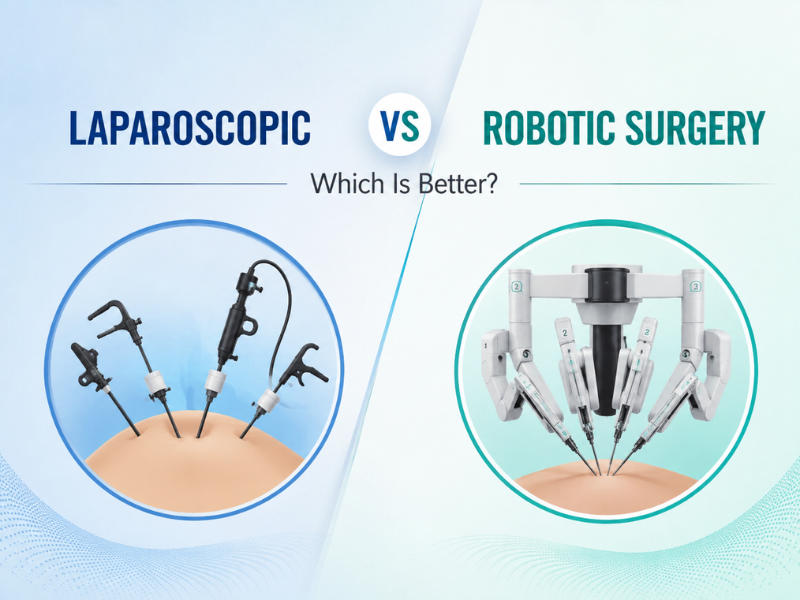
In laparoscopic surgery, the surgeon directly controls the instruments through small incisions.
In robotic surgery, the surgeon controls robotic instruments from a console. The system translates the surgeon’s hand movements into precise instrument movements.
2. Visualization
Laparoscopic systems provide a camera view of the surgical area.
Robotic systems may provide a magnified three-dimensional view, which can help the surgeon see important structures during selected procedures.
3. Instrument Movement
Laparoscopic instruments have a defined range of movement.
Robotic instruments can provide greater flexibility and controlled movement in certain surgical situations.
4. Surgical Planning
Both approaches require careful planning. The choice depends on the condition, anatomy, previous surgeries, and complexity of the procedure.
Therefore, robotic surgery is not automatically better for every patient.
Which Is Better for Hernia Surgery?
Hernia surgery may be performed using open, laparoscopic, or robotic techniques depending on the type and complexity of the hernia.
For some patients, laparoscopic hernia surgery may be an appropriate minimally invasive option.
Robotic surgery may be considered in selected cases, particularly when the surgeon believes the additional instrument control and visualization can be useful.
The decision can depend on:
- Location of the hernia
- Size of the hernia
- Whether the hernia has returned after previous surgery
- Abdominal wall condition
- Previous abdominal operations
- Overall health of the patient
A consultation with an experienced surgeon can help determine the most suitable approach.
Which Is Better for Gallbladder Surgery?
Gallbladder removal is commonly performed using laparoscopic surgery.
For many patients with gallbladder stones requiring surgery, laparoscopic gallbladder surgery is a well-established minimally invasive approach.
Robotic technology may also be used for selected gallbladder procedures, depending on the surgeon, hospital facilities, and individual case.
The important point is that the choice should be based on the patient’s condition rather than simply choosing the newer technology.
Laparoscopic vs Robotic Surgery for Other Conditions
The choice between laparoscopic and robotic surgery may also be considered for colorectal, gastrointestinal, and other abdominal procedures.
For straightforward procedures, laparoscopic surgery may provide an effective minimally invasive approach.
For selected complex procedures, robotic surgery may offer advantages related to visualization, instrument movement, and surgical control.
However, not every condition requires robotic surgery.
The surgeon should first determine whether surgery is needed and then select the most appropriate surgical technique.
Benefits of Minimally Invasive Surgery
Both laparoscopic and robotic surgery are minimally invasive approaches. Depending on the procedure and individual patient, possible benefits may include:
- Smaller surgical incisions
- Less disruption to surrounding tissues
- Reduced discomfort compared with some open procedures
- Earlier movement after surgery
- Shorter recovery in some cases
- Smaller scars
Recovery is different for every patient. It depends on the type of surgery, individual health, and how the body responds after the procedure.
Is Robotic Surgery Always Better Than Laparoscopic Surgery?
No.
Robotic surgery is an advanced surgical technology, but that does not mean it is automatically the best choice for every condition.
Laparoscopic surgery remains an important minimally invasive technique and may be suitable for many common procedures.
The most important factors are:
Correct diagnosis + appropriate surgical technique + experienced surgeon + proper patient care.
The goal should always be safe and effective treatment rather than choosing a procedure simply because it uses newer technology.
How Does a Surgeon Decide Between Laparoscopic and Robotic Surgery?
Before recommending a surgical approach, the surgeon may review:
- The patient’s symptoms
- Medical history
- Previous surgeries
- Imaging and diagnostic reports
- Type and location of the condition
- Complexity of the procedure
- Overall health
- Expected recovery and follow-up needs
After evaluating these factors, the surgeon can explain whether laparoscopic, robotic, or another surgical approach is appropriate.
Why Consult an Experienced Surgeon in Delhi?
If you are considering laparoscopic or robotic surgery in Delhi, it is important to consult a surgeon who has experience with minimally invasive procedures.
Dr. Prashant Kumar, General, Laparoscopic and Robotic Surgeon in Delhi, provides surgical consultation for conditions including hernia, gallbladder problems, colorectal conditions, and other abdominal surgical conditions.
During consultation, patients can discuss their diagnosis, treatment options, expected recovery, and whether laparoscopic or robotic surgery may be appropriate for their condition.
Frequently Asked Questions
Is robotic surgery better than laparoscopic surgery?
Not always. Both are minimally invasive techniques. The best option depends on the patient’s condition, the complexity of the procedure, and the surgeon’s assessment.
Is laparoscopic surgery safe?
Laparoscopic surgery is a well-established minimally invasive technique. However, every surgical procedure has risks. Your surgeon can explain the potential risks and benefits based on your individual condition.
Is robotic surgery performed by a robot?
No. The surgeon controls the robotic system throughout the procedure. The technology helps the surgeon perform movements using specialized instruments.
Which is better for gallbladder surgery: laparoscopic or robotic?
Laparoscopic gallbladder surgery is commonly used for suitable patients. Robotic surgery may be considered in selected cases. The appropriate approach depends on the patient’s condition and the surgeon’s recommendation.
Which is better for hernia surgery?
Both laparoscopic and robotic techniques can be used for selected hernia repairs. The choice depends on the type, size, location, and complexity of the hernia.
Does minimally invasive surgery mean faster recovery?
Minimally invasive surgery may allow easier recovery for some patients compared with certain open procedures. However, recovery time varies according to the procedure and individual health.
How do I choose between laparoscopic and robotic surgery?
Do not choose the technique based only on the technology. Discuss your diagnosis and treatment options with an experienced surgeon who can recommend the approach most suitable for your condition.
Book a Consultation With Dr. Prashant Kumar
If you have been advised to undergo surgery for a hernia, gallbladder condition, colorectal problem, or another abdominal condition, understanding your treatment options is important.
Dr. Prashant Kumar provides consultation for laparoscopic and robotic surgery in Delhi and can help patients understand whether minimally invasive surgery is appropriate for their condition.
Contact
Press Enclave Marg, J Pocket, Phase II,
Sheikh Sarai, New Delhi, Delhi 110017
0113061 1900 / 8178785528
contact@drprashantkumarsurgeon.com
Mon – Sat: 10:00 AM to 5:00 PM
Sun: Closed