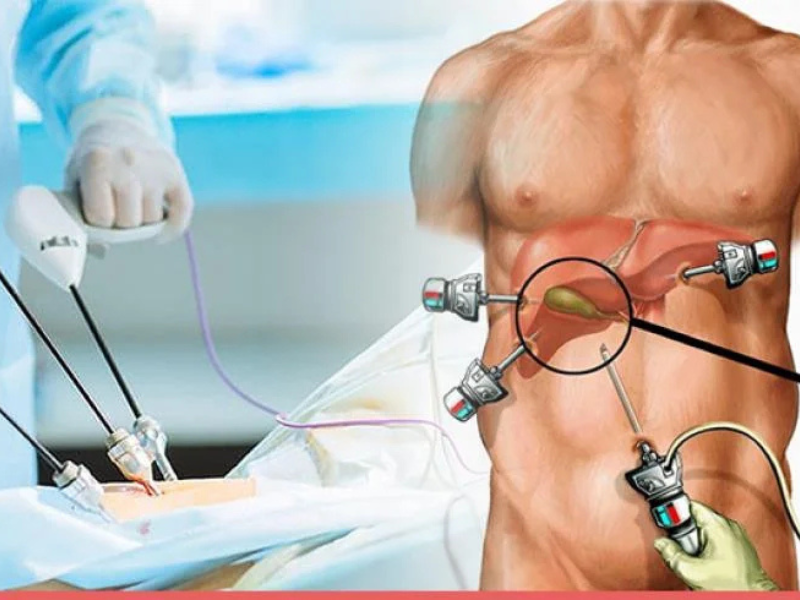
Gallbladder stone surgery in Delhi has undergone a quiet revolution over the past two decades. Surgeons once performed this as a major open procedure requiring weeks of recovery, but today, in most cases, patients undergo a same-day or short-stay operation through tiny incisions. If you or a family member has received a gallstone diagnosis and a surgeon has recommended removal, understanding exactly what lies ahead can make the entire experience far less intimidating.
Understanding Gallstones and Why Surgery May Be Needed
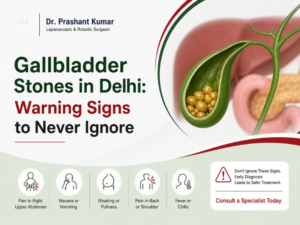
The gallbladder is a small, pear-shaped organ tucked just beneath the liver. Its primary job is to store bile — a digestive fluid the liver produces — and release it into the small intestine when you eat fatty foods. Gallstones form when substances in bile, most commonly cholesterol or bilirubin, crystallize and harden into pebble-like deposits.
Types of Gallstones
- Cholesterol stones — the most common type, yellowish-green in colour; these form when bile contains too much cholesterol
- Pigment stones — smaller, darker stones made of bilirubin, often linked to liver disease or certain blood disorders
- Mixed stones — a combination of both, and the type surgeons see most frequently in clinical practice in India
Many people carry gallstones for years without any symptoms. However, surgery becomes necessary once stones cause:
- Repeated episodes of biliary colic (sudden, intense pain in the upper right abdomen)
- Acute or chronic cholecystitis (inflammation of the gallbladder)
- Blockage of the bile duct, which can lead to jaundice or pancreatitis
- Gallbladder polyps alongside stones that raise concern for malignancy
Once a stone causes complications, surgeons typically recommend the standard and most definitive treatment: surgical removal of the entire gallbladder, a procedure called cholecystectomy.
Types of Gallbladder Stone Surgery Available in Delhi
Delhi’s surgical landscape covers a wide spectrum, from government hospitals and medical colleges to high-end private centres and specialty laparoscopic clinics. As a result, patients generally have access to three surgical approaches.
1. Laparoscopic Cholecystectomy
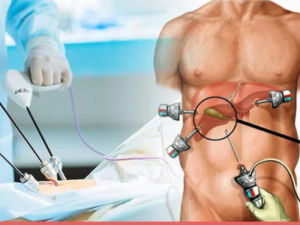
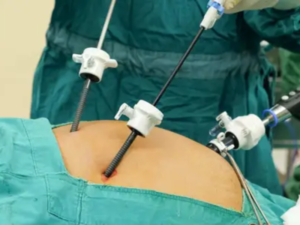
This is the gold standard for gallbladder stone surgery today. The surgeon makes three to four small incisions (each roughly 5–10 mm), inserts a tiny camera called a laparoscope, and uses slender instruments to detach and remove the gallbladder. The surgeon then places the organ inside a retrieval bag and pulls it out through one of the ports.
Key advantages include:
- A hospital stay of just 1–2 days in most cases
- Minimal blood loss
- Significantly less post-operative pain compared to open surgery
- A faster return to normal activity (usually 7–14 days)
- Smaller scars
2. Single-Incision Laparoscopic Surgery (SILS)
In this more advanced variation, all instruments enter through a single incision at the navel, leaving virtually no visible scar. That said, not every patient is a candidate — obesity, severe inflammation, or previous abdominal surgery can make SILS technically challenging.
3. Open Cholecystectomy
Surgeons perform this approach through a larger incision in the upper right abdomen. They generally reserve it for situations where laparoscopy is unsafe or has to be converted mid-procedure — for instance, when severe scarring obscures anatomy, when they suspect gallbladder cancer, or when they cannot control intraoperative bleeding laparoscopically.
How to Prepare for Gallbladder Surgery
Proper preparation improves outcomes and shortens recovery. Once your surgeon confirms the date, here is what typically happens:
- Pre-operative investigations — Blood tests (CBC, liver function, clotting profile), an ultrasound abdomen, and sometimes an MRCP (MRI of the bile ducts) if duct involvement is suspected
- Anaesthesia review — An anaesthesiologist assesses your fitness for general anaesthesia, reviews your existing medications, and may advise you to stop blood thinners a few days before surgery
- Fasting — You will need to avoid food and fluids for at least 6–8 hours before the procedure
- Medication adjustments — Diabetic patients, those on anticoagulants, or those taking thyroid or cardiac medication should follow specific instructions from their surgical team
- Bowel preparation — Not always required for cholecystectomy, though some surgeons prefer a light prep
Additionally, arrange for a responsible adult to drive you home and stay with you for at least the first 24 hours after discharge.
What Happens During the Procedure
On the day of surgery, you will change into a hospital gown, have an IV line placed, and go to the operating theatre. Since general anaesthesia is administered, you remain completely unconscious throughout.
For a standard laparoscopic cholecystectomy, the surgical team follows these steps:
- First, they inflate the abdomen with carbon dioxide gas to create working space for the camera and instruments.
- Meanwhile, the laparoscope transmits live video to a monitor that the surgeon watches throughout.
- Next, the surgeon clips and divides the cystic duct and cystic artery supplying the gallbladder.
- Then, the surgeon dissects the gallbladder free from the liver bed and removes it.
- Finally, the team releases the gas, removes the ports, and closes the tiny incisions with absorbable stitches or surgical glue.
Overall, the entire operation typically takes 45–75 minutes for an uncomplicated case.
Recovery After Gallbladder Stone Surgery
Recovery is generally smooth for most patients, though the timeline varies based on age, fitness, and whether any complications occurred.
First 48 Hours
- Mild shoulder or upper abdominal discomfort from residual gas — walking around helps this resolve
- Nausea, which is common as anaesthesia wears off
- A light diet, which doctors usually introduce within hours of surgery
First Two Weeks
- Avoid lifting anything heavier than 5 kg
- Take short, gentle walks from day one, since this is encouraged
- Shower carefully, and keep incision sites dry until they heal well
- Follow a low-fat diet during this period, since it eases digestion while your body adjusts to the absence of the gallbladder
One Month and Beyond
- Most patients return to desk work within a week and to more physically demanding jobs within 3–4 weeks
- Over several weeks, the digestive system adapts; consequently, some patients experience looser stools initially, which typically self-resolves
- A small number of patients develop post-cholecystectomy syndrome — ongoing digestive symptoms that require dietary adjustment or further evaluation
Risks and Possible Complications
Overall, laparoscopic cholecystectomy is considered very safe, though no surgical procedure is entirely without risk. Possible complications include:
- Bile duct injury — rare but the most serious complication; rates in experienced hands stay below 0.5%
- Bleeding from the cystic artery or liver bed
- Infection at port sites or within the abdomen
- Bile leak, which can occur if a clip slips from the cystic duct stump
- Injury to nearby structures such as the bowel or major blood vessels (very rare)
- Retained stones in the common bile duct, which may require an additional endoscopic procedure (ERCP)
Ultimately, choosing a surgeon with a high volume of laparoscopic cases significantly reduces the risk of serious complications.
Choosing the Right Surgeon and Hospital in Delhi
Delhi has hundreds of surgeons performing cholecystectomy, so narrowing down your choice can feel overwhelming. Therefore, consider the following when making your decision:
- Surgical volume — Ask how many laparoscopic cholecystectomies the surgeon performs per year, since higher volume consistently correlates with lower complication rates
- Accreditation — NABH-accredited hospitals follow national safety standards for surgical care
- Availability of advanced imaging — Intraoperative cholangiography and laparoscopic ultrasound can help surgeons map bile duct anatomy and prevent injury
- Team continuity — The best outcomes come from coordinated teams where the same anaesthesiologist, scrub nurse, and surgeon work together regularly
- Second opinions — If you are uncertain whether you truly need surgery, seeking a second surgical opinion is always reasonable
Frequently Asked Questions
Q: Can gallstones be treated without surgery? A: Medications to dissolve cholesterol stones do exist, but doctors rarely use them in modern practice because they work slowly, require lifelong use, and often allow stones to recur. So, for symptomatic gallstones, surgery remains the only reliable, permanent solution.
Q: Is it safe to live without a gallbladder? A: Yes. The liver continues to produce bile and delivers it directly into the small intestine. Consequently, most people live normally without a gallbladder, though some adjust their diet slightly in the first few weeks after surgery.
Q: How long will I be in hospital after laparoscopic gallbladder surgery? A: Doctors discharge the majority of patients within 24–48 hours. In fact, day-care (same-day) discharge is available at some centres for straightforward cases in younger, healthy patients.
Q: Can gallstones come back after the gallbladder is removed? A: Once the gallbladder is removed, gallstones cannot reform there. However, stones can rarely develop in the bile ducts years later — a different and much less common problem.
Q: What diet should I follow after gallbladder surgery? A: Begin with light, low-fat meals, and then gradually reintroduce a normal diet over 4–6 weeks. Since foods high in fat or very spicy meals may cause temporary discomfort early in recovery, ease into them slowly. Most patients tolerate a fully normal diet within 1–2 months.
Conclusion
Gallbladder stone surgery in Delhi is now a well-refined, highly safe procedure that resolves a painful and potentially dangerous condition with minimal disruption to daily life. Thanks to modern laparoscopic techniques, most patients return home within a day or two and resume routine activities within a couple of weeks. Ultimately, the key to a smooth experience lies in thorough pre-operative preparation, selecting a skilled and experienced surgical team, and closely following post-operative dietary and activity guidance. So, if you have received a diagnosis of symptomatic gallstones, speaking in depth with a qualified laparoscopic surgeon is the most important next step toward lasting relief.