If you have been diagnosed with a hernia, one of the first questions you may have is: How long does it take to recover after hernia surgery?
The recovery period after hernia surgery can vary from person to person. It depends on the type and size of the hernia, the surgical technique used, your overall health, and the nature of your daily activities.
Many patients can return to light daily activities relatively soon after surgery, but returning to heavy lifting, strenuous exercise, and physically demanding work may take longer.
If you are looking for hernia surgery in Delhi, understanding the recovery process can help you prepare for surgery and plan your return to work and normal activities.
Dr. Prashant Kumar is a Laparoscopic and Robotic Surgeon in New Delhi providing surgical care for hernia and other gastrointestinal and abdominal conditions. Treatment planning is based on the patient’s condition, symptoms, and surgical requirements.
What Is a Hernia?
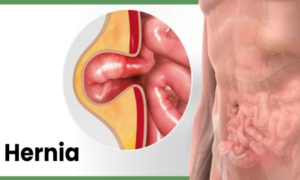
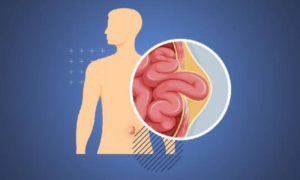
A hernia occurs when an internal organ or tissue pushes through a weak area in the surrounding muscle or tissue.
Common types of hernia include:
- Inguinal hernia
- Umbilical hernia
- Incisional hernia
- Femoral hernia
- Ventral hernia
A hernia may appear as a visible or noticeable bulge, particularly when standing, coughing, or straining.
Some people experience pain, heaviness, pressure, or discomfort, while others may have few symptoms.
A hernia does not usually disappear permanently on its own. Depending on the type, size, symptoms, and risk of complications, a surgeon may recommend observation or surgical repair.
How Long Does Hernia Surgery Recovery Take?
There is no single recovery time that applies to every patient.
In general, recovery can take a few weeks, while complete recovery from strenuous activity may take longer depending on the type of repair.
Patients undergoing minimally invasive hernia repair may be able to move around and perform light activities relatively soon after surgery.
Your surgeon will provide individual instructions based on:
- Type and location of the hernia
- Open or laparoscopic/robotic approach
- Size of the hernia
- Complexity of the repair
- Overall health
- Type of work you do
- How your body heals
It is important not to compare your recovery directly with another patient’s experience.
When Can You Walk After Hernia Surgery?
Walking is generally encouraged after surgery once your medical team says it is safe.
Light walking can help you gradually become active again and may reduce the problems associated with prolonged inactivity.
You should start slowly and increase activity according to your comfort and your surgeon’s instructions.
Mild soreness or tightness around the surgical area can occur during the early recovery period.
Avoid pushing through significant pain.
When Can You Return to Work After Hernia Surgery?
The answer depends largely on the type of work you do.
If your job is mainly desk-based and does not require heavy physical activity, you may be able to return sooner than someone whose work involves lifting, bending, or strenuous physical effort.
For example:
Office or desk work:
Many patients can return to work relatively early if they feel comfortable and their surgeon approves.
Light physical work:
You may need additional recovery time depending on the surgery and your symptoms.
Heavy physical work:
Jobs involving repeated lifting, pushing, pulling, or strenuous activity may require a longer period before returning.
Your surgeon should determine when it is safe to resume demanding work.
When Can You Drive After Hernia Surgery?
Driving should be avoided until you are comfortable, can move safely, and are no longer affected by medications that may impair alertness or reaction time.
You should also be able to perform emergency movements, such as braking suddenly, without significant pain.
The exact timing varies between patients and procedures, so follow your surgeon’s instructions.
When Can You Exercise After Hernia Surgery?
Returning to exercise should be gradual.
Light walking is generally a good starting point when permitted by your medical team.
More strenuous activities should be introduced only when your surgeon confirms that your recovery has progressed sufficiently.
Activities that may place significant strain on the abdominal wall include:
- Heavy weightlifting
- Intense abdominal exercises
- Heavy squats
- Deadlifts
- High-intensity workouts
- Activities involving repeated heavy lifting
Do not rush back to your previous workout routine simply because the external incision appears healed.
The deeper tissues also need time to recover.
Is Laparoscopic or Robotic Hernia Surgery Faster to Recover From?
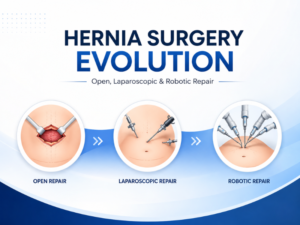
Laparoscopic and robotic approaches are minimally invasive surgical techniques that use small incisions.
For selected patients, minimally invasive hernia repair may offer benefits such as smaller incisions and potentially an easier early recovery compared with some open procedures.
However, not every hernia is suitable for laparoscopic or robotic surgery.
The appropriate surgical approach depends on factors such as:
- Hernia type
- Hernia size
- Previous abdominal surgery
- Whether the hernia has returned
- Overall health
- Surgeon assessment
The goal should be to choose the appropriate technique for the individual patient rather than selecting a procedure only because it is described as minimally invasive or advanced.
What Can You Expect During the First Few Weeks?
Recovery usually happens gradually.
First few days
You may experience some:
- Pain or soreness
- Swelling
- Tightness around the surgical area
- Tiredness
- Mild bruising
Follow your prescribed medication and wound-care instructions.
First couple of weeks
Most patients gradually increase their normal activities according to their comfort and surgical advice.
Walking and light daily activities may become easier.
You should still avoid activities that your surgeon has restricted.
Following weeks
As healing progresses, activity can usually be increased gradually.
The timing for returning to strenuous exercise, heavy lifting, and physically demanding work should be confirmed with your surgeon.
What Helps With Hernia Surgery Recovery?
Following your surgeon’s postoperative instructions is one of the most important parts of recovery.
Helpful measures may include:
- Take medicines exactly as prescribed
- Keep the surgical area clean and follow wound-care instructions
- Walk regularly when permitted
- Drink enough fluids
- Follow a balanced diet
- Prevent constipation
- Avoid smoking if advised
- Avoid heavy lifting until cleared
- Attend scheduled follow-up appointments
Do not try to accelerate recovery by returning to strenuous activity too quickly.
When Should You Contact Your Surgeon After Hernia Surgery?
Some discomfort is expected after surgery, but certain symptoms should be discussed with your medical team.
Contact your surgeon promptly if you experience:
- Increasing or severe pain
- Persistent vomiting
- Fever
- Increasing redness or swelling around the wound
- Pus or unusual discharge
- Significant bleeding
- Difficulty passing urine
- A new or rapidly increasing bulge
- Any symptom that concerns you
Seek urgent medical attention for severe symptoms or rapidly worsening conditions.
Can a Hernia Come Back After Surgery?
Hernia repair is designed to strengthen or repair the weakened area, but recurrence can occur.
The risk can depend on several factors, including the type and size of the hernia, surgical technique, tissue quality, previous repairs, and other individual factors.
Following postoperative instructions and avoiding excessive strain during recovery can support proper healing.
If you notice a new bulge, pain, or swelling after recovery, discuss it with your surgeon rather than assuming it is normal.
Why Choose Dr. Prashant Kumar for Hernia Surgery in Delhi?
Dr. Prashant Kumar is a Laparoscopic and Robotic Surgeon in New Delhi providing surgical care for hernia, gallbladder, gastrointestinal, and proctology conditions.
Patients can seek consultation for different types of hernias and discuss whether surgical treatment may be appropriate for their condition.
The treatment approach is based on individual evaluation, the type of hernia, symptoms, previous medical history, and the patient’s surgical requirements.
The focus is on accurate evaluation, personalized treatment planning, and clear guidance throughout the surgical journey.
Frequently Asked Questions
1. How long does it take to recover from hernia surgery?
Recovery varies depending on the type of hernia, surgical technique, overall health, and type of work or activity. Many patients gradually return to normal daily activities over the following weeks, while strenuous activities may require additional time.
2. When can I return to work after hernia surgery?
Patients with desk-based jobs may return earlier than those with physically demanding jobs. Your surgeon will advise when you can safely return based on your recovery and the type of work you perform.
3. When can I exercise after hernia surgery?
Light walking is often introduced early when appropriate, but heavy lifting and strenuous exercise should be avoided until your surgeon confirms that it is safe to resume them.
4. Is laparoscopic hernia surgery recovery faster?
Minimally invasive hernia repair may allow an easier early recovery for selected patients, but recovery varies. The best surgical approach depends on the type and complexity of the hernia.
5. Can a hernia come back after surgery?
Hernia recurrence is possible after repair. The risk depends on factors such as the type of hernia, repair method, individual healing, and other patient-specific factors.
Suggested Links
https://www.drprashantsurgeon.com
https://www.drprashantsurgeon.com/contact-us
https://drprashantsurgeon.com/blog
Book a Hernia Surgery Consultation in Delhi
Hernia recovery is different for every patient. The type of hernia, surgical approach, overall health, and daily activities can all influence how quickly you return to your normal routine.
If you have been diagnosed with a hernia or are experiencing a bulge, abdominal discomfort, groin pain, or pain that becomes worse with coughing or physical activity, consult a qualified surgeon for proper evaluation.
Dr. Prashant Kumar
Laparoscopic & Robotic Surgeon | Hernia & Gastrointestinal Surgery
Address: PSRI Hospital Institute, Press Enclave Marg, J Pocket, Phase II, Sheikh Sarai, New Delhi, Delhi 110017
Phone: +91 81787 85528
Book a consultation today to discuss your hernia, understand your treatment options, and get personalized guidance for your recovery and return to normal life.