Stomach Pain After Eating: Is It Normal?
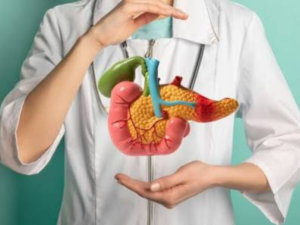
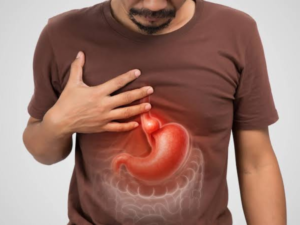
Many people experience stomach pain after eating and assume it is caused by eating too much or having spicy food. While this may be true sometimes, pain that happens repeatedly after meals should never be ignored.
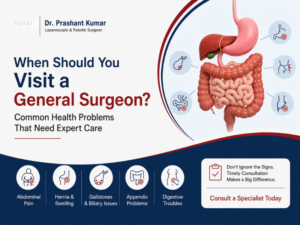
Pain after eating can be a sign that your digestive system needs attention. In some cases, it may be linked to gallbladder stones, a hernia, appendix problems, or other conditions that may require timely treatment.
If your stomach pain keeps coming back, becomes more severe, or starts affecting your daily life, it is important to consult an experienced surgeon.
Dr. Prashant Kumar is an experienced General, Laparoscopic, and Robotic Surgeon in New Delhi, helping patients receive accurate diagnosis and advanced treatment for digestive and abdominal conditions.
Learn more about available treatments by visiting:
https://drprashantsurgeon.com/
Why Does Stomach Pain Happen After Eating?
After eating, your digestive system becomes active to process food. If there is a problem in any part of the abdomen, this process may trigger pain or discomfort.
Some people experience mild pain, while others may feel severe pain that lasts for several hours.
Ignoring repeated pain can delay proper treatment.
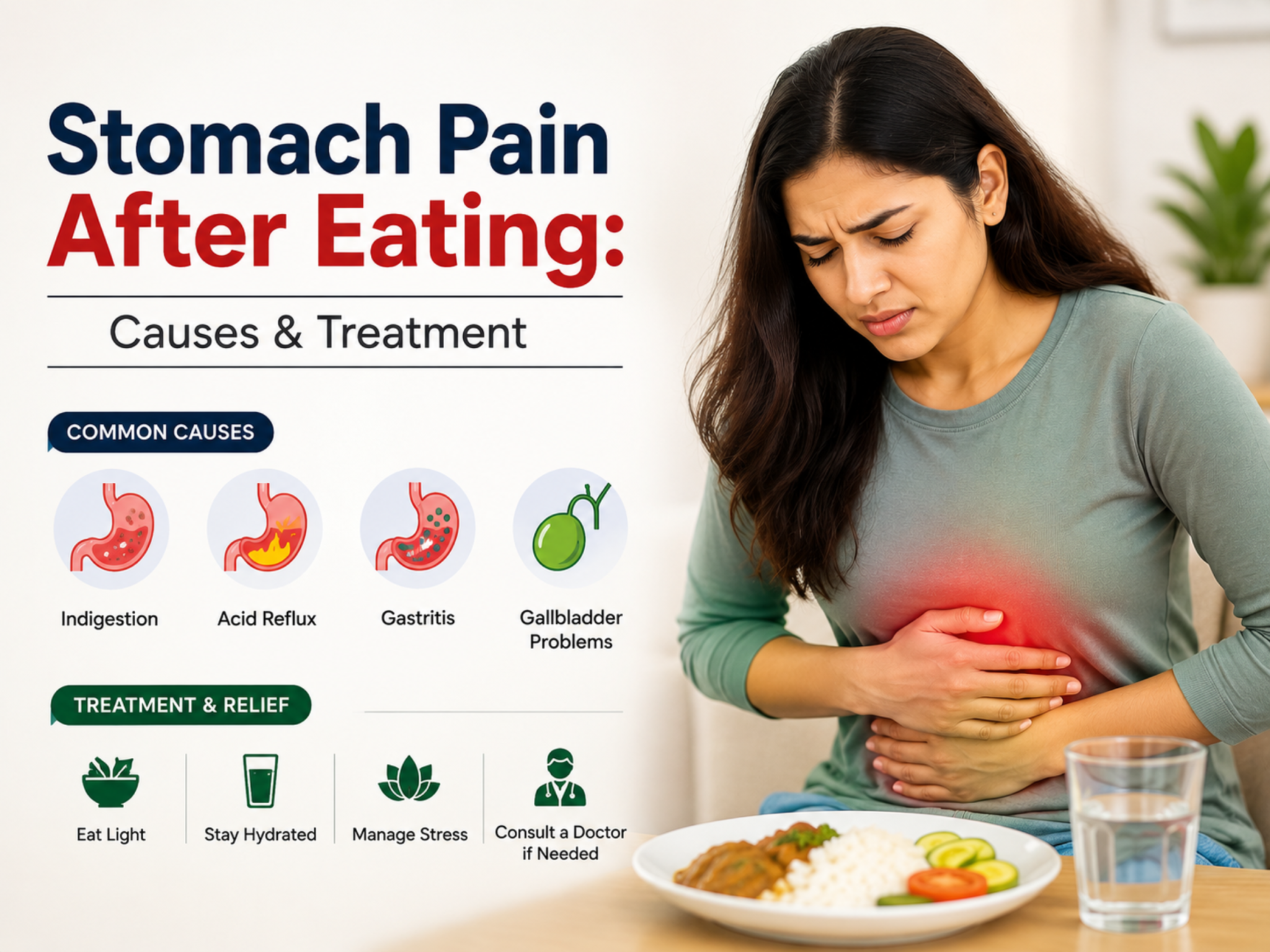
Common Causes of Stomach Pain After Eating
1. Gallbladder Stones
Pain after eating fatty or oily food is one of the most common signs of gallbladder stones.
The pain usually appears in the upper right side of the abdomen and may spread towards the back or shoulder.
Other symptoms may include:
- Feeling sick after meals
- Bloating
- Indigestion
- Repeated stomach pain
- Discomfort after oily food
2. Hernia
A hernia can also cause pain after meals, especially if the abdominal wall becomes weak.
Some people notice:
- A visible lump in the abdomen or groin
- Pain while standing
- Pain after eating
- Discomfort while lifting heavy objects
- Swelling that increases during the day
3. Appendix Problems
Pain that begins around the stomach and gradually moves to the lower right side should never be ignored.
You may also experience:
- Loss of appetite
- Nausea
- Fever
- Difficulty walking due to pain
Immediate medical attention is important if these symptoms develop.
4. Digestive Problems
Some people experience stomach pain because food is not being digested properly.
Common symptoms include:
- Bloating
- Feeling full quickly
- Gas
- Burning sensation
- Mild stomach discomfort
If these symptoms continue for several weeks, they should be evaluated by a doctor.
5. Constipation
Constipation is another common reason for stomach pain after eating.
When bowel movements become difficult, pressure inside the abdomen increases, leading to pain, heaviness, and bloating.
When Should You See a Doctor?
Occasional stomach discomfort is usually not serious.
However, you should seek medical advice if you experience:
- Pain after almost every meal
- Severe stomach pain
- Pain that wakes you at night
- Pain lasting for several hours
- Blood in stool
- Vomiting repeatedly
- Fever with stomach pain
- Sudden swelling in the abdomen
- Unexplained weight loss
- Difficulty eating because of pain
Early diagnosis often leads to easier and more effective treatment.
How Is the Cause of Stomach Pain Found?
Your doctor will first understand your symptoms, medical history, and examine your abdomen.
Depending on your condition, simple investigations may be advised to identify the exact cause of the pain.
Finding the correct reason is the first step toward choosing the right treatment.
Can Stomach Pain After Eating Be Prevented?
While not every condition can be prevented, healthy daily habits can reduce the risk of many digestive problems.
Helpful habits include:
- Eat meals slowly.
- Avoid overeating.
- Limit oily and fried foods.
- Drink enough water.
- Include fibre-rich foods in your diet.
- Stay physically active.
- Maintain a healthy body weight.
- Do not ignore recurring stomach pain.
Treatment Depends on the Cause
Treatment is different for every patient because the cause of stomach pain may vary.
Some people improve with lifestyle changes and medicines, while others may need a planned surgical procedure to treat the underlying problem.
The best treatment always begins with the correct diagnosis
Why Choose Dr. Prashant Kumar?
Dr. Prashant Kumar is a trusted General, Laparoscopic, and Robotic Surgeon in New Delhi with extensive experience in treating conditions related to the gallbladder, hernia, appendix, piles, and other abdominal problems.
Patients appreciate his patient-friendly approach, clear communication, and focus on safe, advanced treatment.
If you have recurring stomach pain after eating, timely consultation can help identify the cause before it becomes more serious.
Visit:
https://drprashantsurgeon.com/
Book an appointment:
https://www.drprashantsurgeon.com/contact-us
Frequently Asked Questions (FAQs)
Why does my stomach hurt every time I eat?
Recurring stomach pain after eating may be caused by gallbladder stones, digestive problems, constipation, a hernia, or other abdominal conditions. If the pain keeps returning, consult a doctor.
Is stomach pain after eating always serious?
Not always. Sometimes it is related to food habits or temporary digestive issues. However, frequent or severe pain should never be ignored.
Can gallbladder stones cause pain after eating?
Yes. Pain after eating, especially after oily or fatty meals, is one of the common signs of gallbladder stones.
Should I ignore stomach pain that comes and goes?
No. Pain that keeps returning may indicate an underlying condition that requires medical evaluation.
When should I seek immediate medical care?
Seek medical attention if stomach pain is severe, associated with fever, repeated vomiting, blood in stool, sudden swelling, or becomes unbearable.
Which doctor should I consult for stomach pain after eating?
If your stomach pain is frequent, severe, or related to gallbladder stones, hernia, appendix problems, or other abdominal conditions, consult an experienced General and Laparoscopic Surgeon such as Dr. Prashant Kumar in New Delhi.
Conclusion
Stomach pain after eating is not something you should ignore, especially if it happens repeatedly. While some cases are caused by simple digestive issues, others may be linked to conditions that require timely medical care.
If you are experiencing recurring stomach pain after meals, consult Dr. Prashant Kumar, an experienced General, Laparoscopic, and Robotic Surgeon in New Delhi, for a proper evaluation and personalized treatment plan.
For more information, visit:
https://drprashantsurgeon.com/
To schedule a consultation, visit:
https://www.drprashantsurgeon.com/contact-us