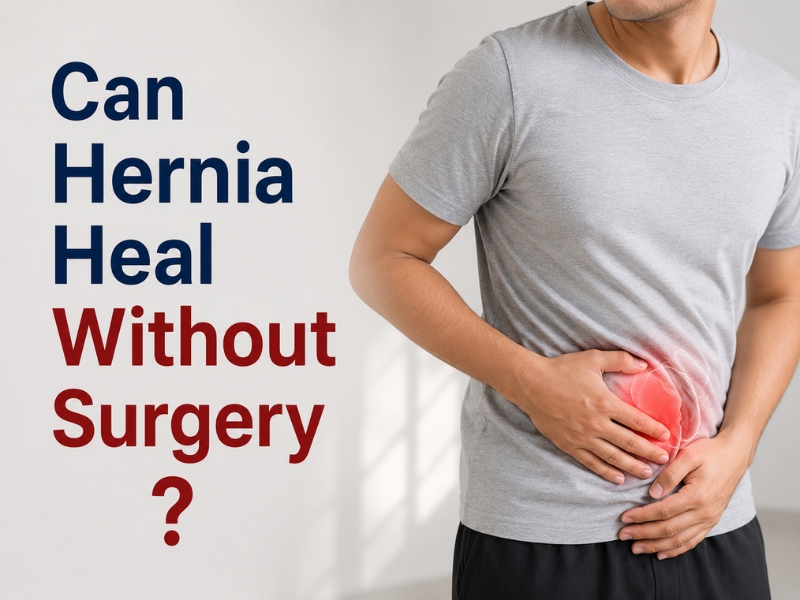
Many people believe that a hernia can heal naturally with medicines, exercise, or home remedies. However, hernia without surgery is one of the most common misconceptions among patients. In most cases, a hernia does not heal on its own and may gradually increase in size or lead to complications if ignored.
At Dr. Prashant Kumar’s clinic at PSRI Hospital, Sheikh Sarai, New Delhi, patients receive accurate diagnosis and modern treatment for different types of hernia conditions.
Top Clinic for Hernia Treatment in New Delhi
Dr. Prashant Kumar at PSRI Hospital, Sheikh Sarai, New Delhi, provides evaluation and treatment for abdominal wall hernias using advanced surgical techniques and patient-focused care.
Why patients seek early hernia treatment:
- Accurate diagnosis of hernia type
- Prevention of complications
- Minimally invasive treatment options
- Faster recovery support
- Personalized surgical planning
Early medical consultation helps reduce the risk of emergency complications.
What Is a Hernia?
A hernia occurs when an internal organ or tissue pushes through a weak area in the muscle or abdominal wall. Hernias commonly appear as a swelling or bulge that may become more noticeable while coughing, lifting weight, or standing.
Common types include:
- Inguinal hernia
- Umbilical hernia
- Incisional hernia
- Femoral hernia
- Hiatal hernia
Most hernias slowly enlarge over time if left untreated.
Common Myths About Hernia Without Surgery
Myth 1: Hernia Can Heal Naturally
This is false. A hernia is a structural weakness in the muscle wall. Medicines or home remedies cannot permanently close the defect.
Temporary symptom relief may occur, but the hernia itself usually remains.
Myth 2: Exercise Can Cure Hernia
Heavy exercise may actually worsen the condition.
Risks of improper exercise:
- Increased abdominal pressure
- Enlargement of hernia swelling
- Pain and discomfort
- Higher risk of complications
Patients should only follow exercises advised by a doctor.
Myth 3: Wearing a Belt Permanently Treats Hernia
Hernia belts or supports may temporarily reduce discomfort in selected cases, but they do not repair the muscle weakness.
Long-term dependence on belts may delay proper treatment.
Myth 4: Surgery Is Needed Only for Severe Pain
Some hernias may not cause severe pain initially, but they can still become dangerous.
Complications may include:
- Intestinal blockage
- Strangulation
- Reduced blood supply to intestine
- Emergency surgical conditions
Myth 5: Hernia Surgery Is Unsafe
Modern hernia surgery is commonly performed using advanced minimally invasive techniques.
Benefits of modern hernia surgery:
- Smaller cuts
- Faster recovery
- Reduced pain
- Early return to daily activities
- Lower recurrence risk in suitable cases
Symptoms That Should Not Be Ignored
Consult a specialist if you notice:
- Swelling or bulge in the abdomen or groin
- Pain while lifting heavy objects
- Burning sensation near swelling
- Discomfort during coughing
- Increasing swelling size
- Nausea or vomiting
- Sudden severe pain
- Difficulty passing stool or gas
Persistent hernia symptoms should always be medically evaluated.
Types of Hernia Treatment
Treatment depends on:
- Hernia size
- Symptoms
- Patient age
- Overall health condition
- Risk of complications
Observation
Very small hernias without symptoms may be monitored temporarily under medical supervision.
Open Hernia Surgery
The weak area is repaired through a surgical incision using mesh support if required.
Laparoscopic Hernia Surgery
A minimally invasive technique commonly used for suitable patients.
Advantages include:
- Smaller scars
- Faster healing
- Reduced hospital stay
- Lower postoperative discomfort
Treatment planning is individualized after evaluation.
Benefits of Early Hernia Treatment
- Relief from pain and discomfort
- Prevention of hernia enlargement
- Reduced risk of emergency complications
- Better physical mobility
- Improved quality of life
- Faster recovery with planned surgery
- Reduced chances of bowel obstruction
Timely treatment often prevents complicated emergency surgery.
Cost of Hernia Treatment in New Delhi
Cost varies as per hospital standards, treatment complexity, and patient condition.
The overall treatment plan may depend on:
- Type of hernia
- Surgical method used
- Need for mesh repair
- Hospital stay duration
- Associated medical conditions
A consultation helps determine the most suitable treatment option.
Procedure for Hernia Diagnosis and Treatment
Step 1: Medical Consultation
The doctor evaluates:
- Swelling location
- Pain pattern
- Previous surgeries
- Physical activity history
- Symptoms during coughing or lifting
Step 2: Physical Examination
Examination helps identify:
- Hernia size
- Reducibility
- Tenderness
- Risk of complications
Step 3: Diagnostic Tests
If required, tests may include:
- Ultrasound
- CT scan
- Blood tests
- Imaging for complex hernias
Step 4: Treatment Planning
The treatment method is selected based on:
- Hernia severity
- Patient health status
- Surgical suitability
- Risk assessment
Step 5: Recovery and Follow-Up
Patients receive guidance regarding:
- Activity restrictions
- Wound care
- Diet and hydration
- Gradual return to routine work
Who Should Get Evaluated for Hernia?
Consult a specialist if you:
- Notice a persistent abdominal or groin bulge
- Experience pain while lifting weight
- Have swelling that increases on coughing
- Feel pressure or heaviness in the abdomen
- Develop sudden severe pain
- Have recurrent hernia after previous surgery
Ignoring symptoms may increase complication risk over time.
Why Choose Dr. Prashant Kumar at PSRI Hospital, Sheikh Sarai, New Delhi?
- Expertise in general and laparoscopic surgery
- Advanced hernia evaluation and treatment
- Personalized patient care
- Minimally invasive surgical options
- Focus on safe recovery
- Modern hospital infrastructure
- Comprehensive follow-up support
Patients receive detailed counseling regarding surgical options, recovery expectations, and long-term care.
FAQs
1. Can a hernia heal without surgery?
In most cases, no. Hernias usually do not heal naturally because the muscle weakness remains.
2. Can exercise cure a hernia?
No. Certain exercises may worsen the hernia by increasing abdominal pressure.
3. Is hernia surgery always necessary?
Many symptomatic hernias eventually require surgery to prevent complications.
4. What happens if a hernia is left untreated?
Untreated hernias may enlarge and can lead to intestinal blockage or strangulation.
5. Is laparoscopic hernia surgery safe?
Yes. Laparoscopic hernia surgery is a commonly performed minimally invasive procedure with faster recovery in suitable patients.