Gallbladder stones are common and may not always cause symptoms. Some people discover gallstones during an ultrasound or another abdominal test. Others experience pain, nausea, bloating, or digestive discomfort after meals.
But an important question often comes up: When is gallbladder stone surgery necessary, and what can happen if gallstones are left untreated?
If you have been diagnosed with gallstones or are experiencing repeated abdominal pain, consulting an experienced surgeon can help you understand whether treatment is required.
For patients looking for gallbladder stone surgery in Delhi, Dr. Prashant Kumar provides evaluation and surgical care for gallbladder conditions at PSRI Hospital, New Delhi.
What Are Gallbladder Stones?
Gallbladder stones, also called gallstones, are solid particles that develop inside the gallbladder. They can vary in size and number.
Some people have gallstones without any symptoms. These are often found incidentally during an ultrasound examination.
However, when a stone blocks the normal flow of bile, it can cause pain and other symptoms.
Common symptoms of gallstones include:
- Pain in the upper right or upper middle abdomen
- Pain after eating, especially after heavy or fatty meals
- Nausea or vomiting
- Bloating or indigestion
- Pain that may spread toward the back or right shoulder
- Repeated episodes of abdominal discomfort
Persistent or recurring symptoms should be evaluated by a doctor.
When Is Gallbladder Stone Surgery Necessary?
Not every person with gallstones needs surgery immediately. The need for treatment depends on symptoms, complications, the location of the stones, and the overall health of the patient.
Surgery may be considered when gallstones cause repeated symptoms or complications.
1. Repeated Gallbladder Pain
If gallstones repeatedly cause abdominal pain, medical evaluation is important. Recurrent attacks can affect daily activities and may indicate that the stones are causing ongoing problems.
2. Gallbladder Inflammation
A stone can block the opening of the gallbladder and lead to inflammation. This may cause significant abdominal pain, tenderness, nausea, or fever.
When inflammation is linked to gallstones, surgical treatment may be recommended depending on the patient’s condition.
3. Gallstones Causing Complications
Gallstones can sometimes move from the gallbladder into the bile ducts. This can cause blockage and other complications.
Symptoms such as severe abdominal pain, yellowing of the eyes or skin, dark urine, or persistent vomiting require prompt medical assessment.
4. Repeated Digestive Symptoms
Some patients experience recurring discomfort after meals, nausea, or other symptoms associated with gallstones. A surgeon can review the symptoms and test results to determine whether the gallbladder is the likely cause.
What Happens If You Wait?
If gallstones are not causing symptoms, a doctor may recommend observation in some cases.
However, when symptomatic gallstones are left without appropriate evaluation, symptoms may continue or complications may develop.
Possible problems include:
Repeated Pain Attacks
Gallstone pain can return after an initial episode. Some people experience increasingly frequent episodes that interfere with normal activities.
Gallbladder Inflammation
A stone can block the gallbladder outlet and cause inflammation. This may lead to significant pain and require urgent medical attention.
Bile Duct Blockage
A stone can sometimes move into the bile duct and cause a blockage. This may lead to jaundice, abdominal pain, or other complications.
Pancreas-Related Problems
In some cases, a gallstone can affect the normal flow of digestive fluids and contribute to inflammation of the pancreas. This can be a serious condition requiring medical care.
For this reason, people with repeated gallstone symptoms should not simply ignore them.
What Is Gallbladder Stone Surgery?
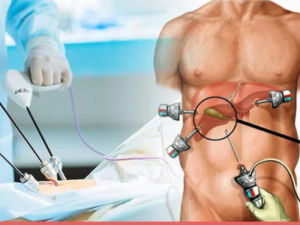
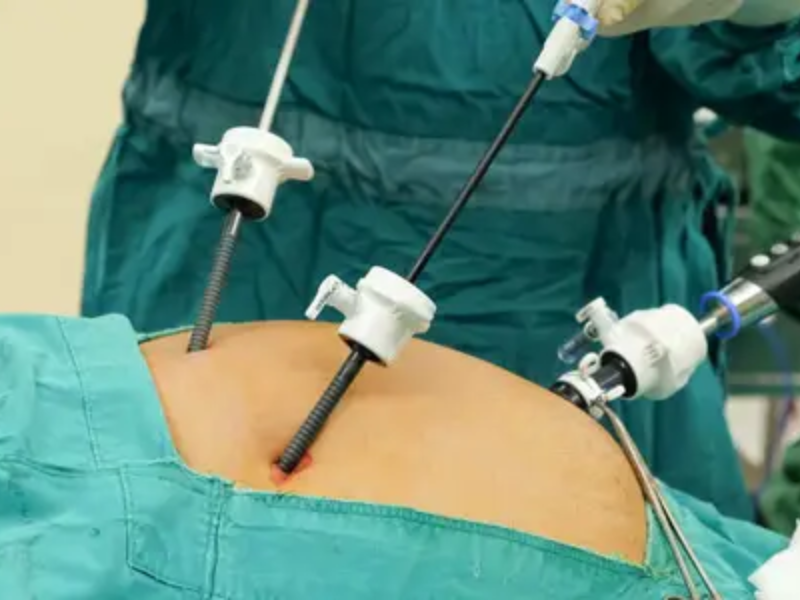
The commonly used surgical treatment for symptomatic gallstones is removal of the gallbladder. The procedure is often performed using minimally invasive laparoscopic techniques.
During laparoscopic gallbladder surgery, the surgeon uses small incisions and a camera to view the surgical area. The gallbladder is then removed through these small openings.
The exact approach depends on the patient’s condition, medical history, previous surgeries, and other factors.
Your surgeon will explain the recommended procedure after reviewing your symptoms and diagnostic reports.
How Is the Need for Surgery Diagnosed?
Before recommending treatment, the doctor usually reviews your symptoms and medical history.
Evaluation may include:
- Physical examination
- Abdominal ultrasound
- Blood tests when required
- Review of previous medical reports
- Additional imaging when clinically necessary
The decision for surgery should be based on the complete clinical picture rather than the presence of gallstones alone.
Can Gallstones Be Treated Without Surgery?
Treatment depends on whether the stones are causing symptoms or complications.
Some people with silent gallstones may not require immediate treatment. However, medicines or lifestyle changes cannot always remove established gallstones or prevent future attacks.
If gallstones are causing repeated symptoms or complications, surgical treatment may be recommended.
Do not start any treatment without discussing your condition with a qualified medical professional.
When Should You See a Surgeon?
You should seek medical evaluation if you experience:
- Repeated upper abdominal pain
- Pain after meals
- Severe or persistent abdominal discomfort
- Repeated nausea or vomiting
- Fever with abdominal pain
- Yellowing of the eyes or skin
- Unexplained digestive symptoms
- A previous diagnosis of gallstones with recurring symptoms
Severe or rapidly worsening symptoms should be assessed promptly.
Gallbladder Stone Surgery in Delhi
If you are searching for gallbladder stone surgery in Delhi, choosing an experienced surgeon is an important step.
Dr. Prashant Kumar is a General, Laparoscopic and Robotic Surgeon in Delhi with experience in minimally invasive surgical procedures, including gallbladder surgery.
At PSRI Hospital, New Delhi, patients can receive evaluation, treatment planning, surgical care, and follow-up based on their individual condition.
The right treatment can only be decided after proper clinical evaluation. Every patient may have a different medical history, symptoms, and treatment requirement.
Frequently Asked Questions
1. Do all gallstones require surgery?
No. Gallstones that do not cause symptoms may not always require immediate surgery. Treatment depends on symptoms, complications, and individual medical factors.
2. When is gallbladder stone surgery recommended?
Surgery may be recommended when gallstones cause repeated pain, inflammation, blockage, or other complications.
3. What are the symptoms of gallstones?
Common symptoms include upper abdominal pain, pain after meals, nausea, vomiting, bloating, and discomfort that may spread to the back or shoulder.
4. Can gallstones cause serious problems?
Gallstones can sometimes cause gallbladder inflammation, bile duct blockage, or pancreas-related complications. This is why recurring symptoms should be medically evaluated.
5. Can gallstones disappear on their own?
Established gallstones generally do not simply disappear. The appropriate treatment depends on whether they are causing symptoms or complications.
6. Is laparoscopic surgery used for gallbladder stones?
Laparoscopic surgery is commonly used for gallbladder removal in suitable patients. The surgeon decides the most appropriate approach after evaluating the patient’s condition.
7. Can I wait if my gallstones are not causing symptoms?
Some people with symptom-free gallstones may be monitored without immediate surgery. However, you should discuss your specific situation with your doctor rather than making the decision yourself.
Book a Consultation With Dr. Prashant Kumar
Recurring abdominal pain after meals should not be ignored, especially if you have already been diagnosed with gallstones.
If you need gallbladder stone surgery in Delhi, consult Dr. Prashant Kumar at PSRI Hospital, New Delhi. A proper evaluation can help determine whether observation, medical management, or surgery is appropriate for your condition.
Call for an appointment: 0113061 1900 / 8178785528
https://www.drprashantsurgeon.com
https://www.drprashantsurgeon.com/delhi/treatment/gallbladder-stone-surgery