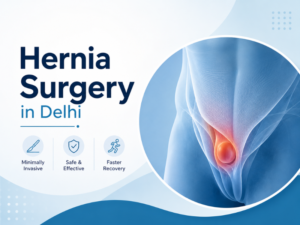
Many people search online for hernia surgery in Delhi when they notice swelling or discomfort in the abdomen. A hernia is a common condition that can affect people of different age groups. It usually happens when a weak area in the abdominal wall allows tissue or an organ to push through.
Although some hernias start with mild symptoms, they can gradually become more uncomfortable if left untreated. Early medical consultation helps doctors diagnose the condition and recommend the right treatment plan.
If you want to learn more about advanced surgical care and treatment options, you can visit
https://drprashantsurgeon.com/
What Is a Hernia?
A hernia occurs when an internal part of the body pushes through a weak area in the muscle or tissue that normally keeps it in place. This often appears as a visible swelling or lump in the abdomen or groin area.
In many cases, the swelling may become more noticeable while standing, coughing, or lifting heavy objects. Some people also experience pain or pressure in the affected area.
Although hernias may begin with mild discomfort, they usually do not disappear on their own. Over time, the condition may worsen, which is why proper medical evaluation is important.
Common Types of Hernia
A general surgeon treats several types of hernias depending on the location and severity of the condition.
Inguinal Hernia
This is one of the most common types of hernia. It usually appears as a swelling in the groin area and may cause discomfort while walking, lifting objects, or bending.
Umbilical Hernia
This type of hernia occurs near the belly button. It may appear as a small lump in the center of the abdomen.
Incisional Hernia
Sometimes a hernia may develop near a previous surgical scar if the abdominal wall becomes weak in that area.
Other Abdominal Hernias
There are other types of hernias that may affect different areas of the abdominal wall. A doctor evaluates the condition carefully to determine the exact type and the most suitable treatment approach.
Symptoms of Hernia
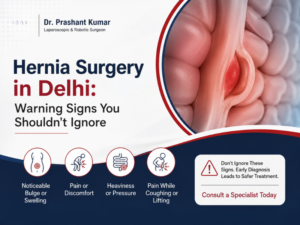
Many people notice the early signs of hernia but ignore them, assuming the discomfort will go away on its own.
Common symptoms may include:
- A visible swelling or lump in the abdomen or groin
- Pain or discomfort while lifting objects
- Pressure in the abdomen
- Burning or aching sensation near the swelling
- Discomfort during physical activity
If you notice these symptoms repeatedly, it is advisable to consult a qualified surgeon for proper evaluation.
Why Early Treatment Is Important
A hernia does not usually heal without treatment. In some cases, the swelling may become larger over time and cause more discomfort.
Early medical consultation helps doctors understand the condition and recommend the most appropriate treatment.
Benefits of early treatment include:
- Relief from discomfort and pain
- Reduced risk of complications
- Faster recovery
- Better long-term results
Ignoring symptoms for a long time may make treatment more complicated later.
What Is Abdominal Wall Reconstruction?
In some cases, the abdominal wall becomes weak or damaged due to previous surgery, injury, or long-standing hernia. Abdominal wall reconstruction is a procedure designed to restore strength and support to the abdominal muscles.
The goal of this treatment is to repair the weakened area and help restore normal function of the abdominal wall.
This procedure is usually recommended for patients with complex or recurring hernias where the abdominal muscles require additional support.
How Doctors Diagnose a Hernia
Diagnosis usually begins with a physical examination where the doctor checks for swelling or weakness in the abdominal wall.
The doctor may ask questions about:
- When the swelling first appeared
- Whether the swelling changes in size
- Any pain or discomfort during activity
- Previous surgeries or injuries
In some cases, imaging tests may be recommended to understand the condition more clearly.
Treatment Options for Hernia
Treatment depends on the type and severity of the hernia. The doctor carefully evaluates the patient before recommending the most suitable approach.
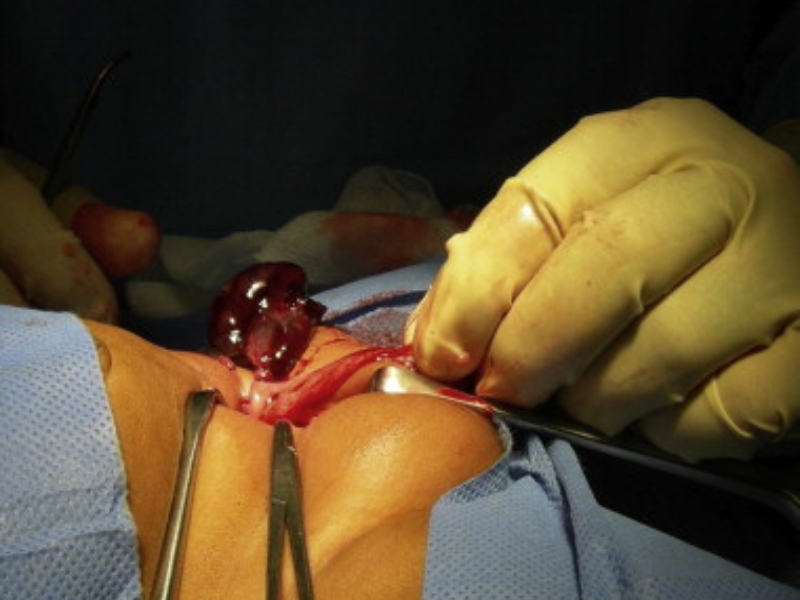
In many cases, surgery is the most effective treatment because it helps repair the weak area and prevent the hernia from returning.
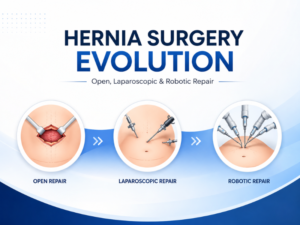
Modern surgical methods allow doctors to treat hernias using smaller openings, which may help improve patient comfort and recovery.
The surgeon will discuss the treatment plan and guide the patient through every step of the process.
Recovery After Hernia Surgery
Recovery is an important part of the treatment process. Doctors usually provide clear instructions to help patients heal comfortably.
Patients may be advised to:
- Take proper rest during the initial recovery period
- Avoid heavy lifting for some time
- Follow a balanced diet
- Attend follow-up visits with the doctor
Following medical guidance carefully helps ensure a smooth recovery and reduces the risk of the hernia returning.
Choosing the Right Hernia Surgeon
When searching online for hernia surgery in Delhi, patients often look for an experienced surgeon who focuses on safe treatment and patient care.
Important factors to consider include:
- Experience in treating hernia conditions
- Clear communication about treatment options
- Access to modern surgical facilities
- Patient reviews and feedback
Choosing the right surgeon helps patients feel confident and comfortable throughout their treatment journey.
Trusted Surgical Care
Patients looking for expert care for hernia surgery and abdominal wall repair often prefer specialists who combine experience with patient-focused care.
A skilled surgeon focuses on accurate diagnosis, safe treatment, and proper follow-up guidance so that patients can recover comfortably and return to normal life.
To learn more about surgical care and treatment options, visit the official website:
You can also stay connected through social platforms:
Instagram
https://www.instagram.com/_drprashantkumar_/
Facebook
https://www.facebook.com/Drprashantkumar2/
YouTube
https://www.youtube.com/@drprashant
Final Thoughts
Hernia is a common condition, but it should not be ignored. Early diagnosis and proper treatment can help prevent complications and improve overall quality of life.
If you notice swelling, discomfort, or pain in the abdominal area, consulting an experienced surgeon can help identify the problem and guide you toward the right treatment.
Taking timely medical advice is one of the most important steps toward better health and long-term recovery.