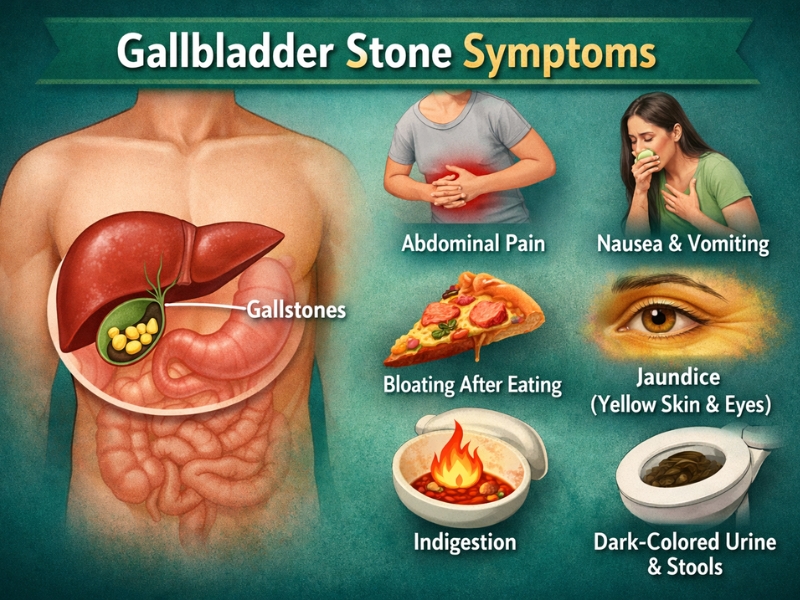
Gallbladder stone symptoms in New Delhi are commonly seen in patients who experience stomach pain after eating, especially after heavy or oily meals. This type of pain is often ignored initially but may indicate an underlying gallbladder issue. Early diagnosis and timely care can help prevent complications and improve recovery.
Why Does Stomach Pain Occur After Eating?
Pain after meals is one of the most common signs associated with gallbladder problems. The gallbladder releases bile to help digest fats. When stones block this process, it can lead to discomfort.
Common reasons include:
- Blockage caused by gallstones
- Inflammation of the gallbladder
- Poor digestion of fatty foods
- Increased pressure inside the gallbladder
Common Gallbladder Stone Symptoms in New Delhi
Recognizing gallbladder stone symptoms in New Delhi early can help in timely treatment.
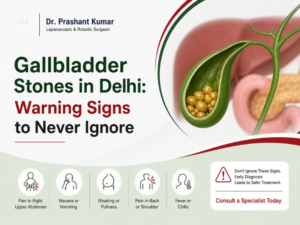
Pain in Upper Abdomen
- Usually on the right side
- May spread to the back or shoulder
Pain After Eating
- Triggered by oily or heavy meals
- Can last from minutes to hours
Nausea and Vomiting
- Often seen after food intake
Bloating and Indigestion
- Feeling of fullness even after small meals
Sudden Severe Pain
- May indicate blockage or complication
When Should You Consult a Doctor?
You should not ignore these symptoms if they occur frequently. Seek medical advice if you experience:
- Repeated pain after eating
- Severe abdominal discomfort
- Fever along with pain
- Yellowing of skin or eyes
- Persistent nausea
For expert consultation, you can visit PSRI Hospital or connect through the official website:
https://drprashantsurgeon.com/
Diagnosis of Gallbladder Problems
Doctors may recommend tests to confirm the condition:
- Ultrasound abdomen
- Blood tests
- CT scan (if needed)
These help in identifying stones and assessing severity.
Treatment Options for Gallbladder Stones
Treatment depends on the severity of symptoms.
Lifestyle and Diet Management
- Avoid oily and spicy food
- Maintain healthy weight
- Eat smaller, frequent meals
Medical Management
- Medicines to control symptoms
Surgical Treatment
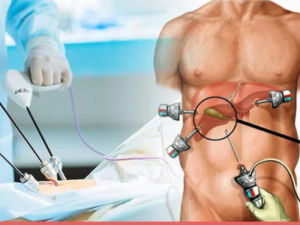
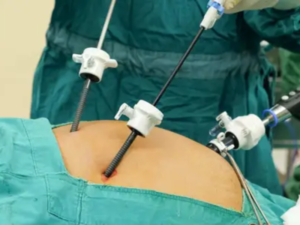
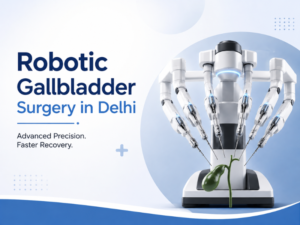
In cases where symptoms persist or complications arise, surgery may be recommended.
Minimally invasive procedures such as laparoscopic surgery help in:
- Faster recovery
- Less pain
- Smaller incisions
Under the care of Dr. Prashant Kumar, patients receive personalized treatment plans based on their condition.
Can Gallbladder Stones Be Prevented?
While not all cases can be prevented, certain lifestyle changes can reduce risk:
- Maintain a balanced diet
- Avoid sudden weight loss
- Stay physically active
- Drink adequate water
Why Early Treatment Matters
Ignoring gallbladder stone symptoms in New Delhi can lead to complications such as:
- Infection
- Blockage of bile ducts
- Severe inflammation
Timely treatment ensures better outcomes and avoids emergency situations.
Conclusion
Stomach pain after eating should never be ignored, especially if it happens frequently. It may be a sign of gallbladder stones that require medical attention. Early diagnosis, proper treatment, and expert care can help you recover safely and return to a normal routine.
For consultation and guidance, visit:
https://drprashantsurgeon.com/
FAQs
1. What causes pain after eating in gallbladder stones?
Pain occurs when stones block bile flow during digestion, especially after fatty meals.
2. Are gallbladder stones dangerous?
They can lead to complications if not treated on time.
3. Can gallbladder stones go away on their own?
In most cases, they do not disappear without treatment.
4. Is surgery always required?
Not always, but it is recommended in symptomatic cases.
5. When should I see a doctor?
If you have repeated stomach pain after meals or severe discomfort, consult a specialist.