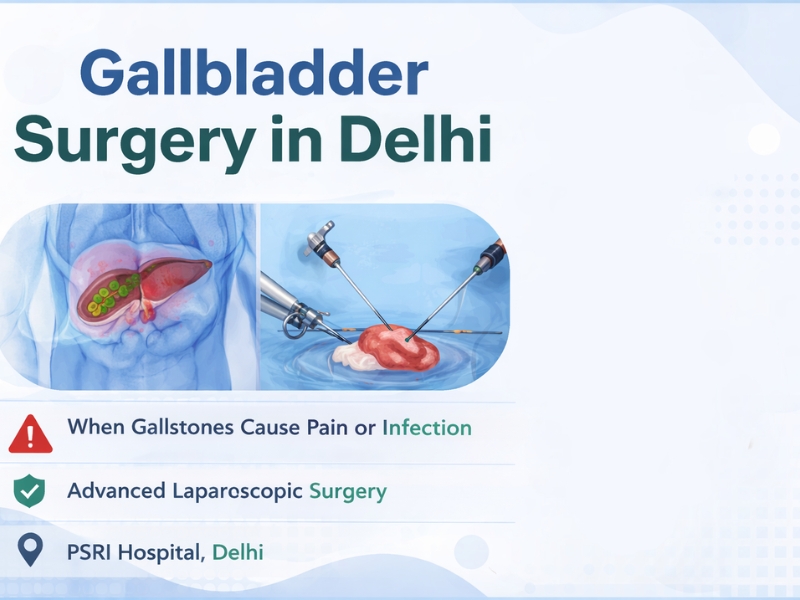
Gallbladder problems often start with mild symptoms but can become serious without timely treatment. In Delhi, many patients delay care until pain becomes severe. At PSRI Hospital, Dr. Prashant Kumar helps patients understand when surgery becomes necessary.
Moreover, doctors recommend surgery when gallstones cause repeated pain, infection, or complications. Therefore, early diagnosis and timely treatment play a key role in preventing emergencies.
Top Clinic for Gallbladder Surgery in Delhi
PSRI Hospital provides advanced care for gallbladder conditions using modern surgical techniques. The hospital ensures safe procedures with high standards of hygiene and patient care.
In addition, Dr. Prashant Kumar specializes in diagnosing gallbladder issues and recommending the right surgical approach. He focuses on minimally invasive techniques for faster recovery.
Furthermore, the hospital offers advanced operation theatres, skilled staff, and personalized treatment plans.
Types of Gallbladder Conditions Requiring Surgery
Doctors may recommend surgery for the following conditions:
- Symptomatic gallstones
- Acute or chronic cholecystitis (gallbladder inflammation)
- Gallbladder infection
- Blocked bile ducts
- Gallbladder polyps (in some cases)
- Pancreatitis caused by gallstones
Each condition requires proper evaluation before deciding on surgery.
Benefits of Surgical Treatment
Surgical removal of the gallbladder (cholecystectomy) offers several benefits:
- Permanent relief from gallstone pain
- Prevents recurrence of gallstones
- Reduces risk of infection and complications
- Improves digestion after recovery
- Eliminates emergency situations
Additionally, laparoscopic surgery allows faster healing and minimal discomfort.
Cost of Gallbladder Surgery in Delhi
The cost of gallbladder surgery in Delhi depends on multiple factors such as the severity of the condition, surgical method, hospital facilities, and patient health status.
Moreover, laparoscopic surgery may reduce overall costs due to shorter hospital stays and quicker recovery.
Cost varies as per hospital standards, treatment complexity, and patient condition.
Patients should consult PSRI Hospital for a detailed evaluation and personalized cost estimate.
Procedure of Gallbladder Surgery
Doctors follow a structured surgical process:
- Medical Assessment
The doctor evaluates symptoms and medical history. - Diagnostic Tests
Ultrasound and imaging confirm gallbladder issues. - Pre-Surgery Preparation
The patient receives instructions before surgery. - Anesthesia Administration
Doctors use general anesthesia for comfort. - Laparoscopic Surgery
The surgeon removes the gallbladder using small incisions. - Post-Surgery Recovery
Patients recover quickly with minimal pain. - Follow-Up Care
Regular visits ensure proper healing.
Who Should Get This Treatment
Surgery is recommended for patients who:
- Experience frequent gallbladder pain
- Have repeated gallstone attacks
- Develop infection or inflammation
- Face complications like jaundice or pancreatitis
- Do not respond to medication
However, the doctor decides the final treatment after proper diagnosis.
Why Choose PSRI Hospital
Patients choose PSRI Hospital for gallbladder surgery because of its advanced facilities and expert care.
Moreover, key advantages include:
- Expert surgeon Dr. Prashant Kumar
- Advanced laparoscopic surgery techniques
- High safety and hygiene standards
- Modern diagnostic support
- Skilled surgical and nursing teams
- Patient-focused treatment approach
Therefore, patients receive safe, reliable, and effective surgical care.
FAQs
1. When is gallbladder surgery necessary?
Doctors recommend surgery when gallstones cause pain, infection, or complications.
2. Is gallbladder removal safe?
Yes, laparoscopic gallbladder surgery is safe and commonly performed.
3. How long does recovery take?
Most patients recover within a few days after laparoscopic surgery.
4. Can I live normally without a gallbladder?
Yes, most people live a normal life after gallbladder removal.
5. What happens if gallstones are not treated?
Untreated gallstones can lead to infection, blockage, or serious complications.