A hernia is a common condition that occurs when an internal organ or tissue pushes through a weak spot in the muscle wall. Many people ignore early symptoms, assuming the discomfort will go away on its own. However, delaying treatment can lead to complications and emergency surgery.
Understanding the warning signs of a hernia can help you seek timely medical attention and avoid serious health risks.
What Is a Hernia?
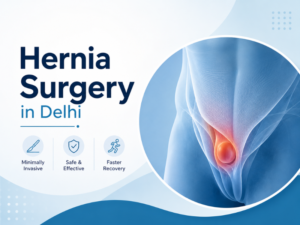
A hernia usually develops in the abdomen or groin area when the muscles become weak or strained. Common types include:
- Inguinal Hernia
- Umbilical Hernia
- Incisional Hernia
- Hiatal Hernia
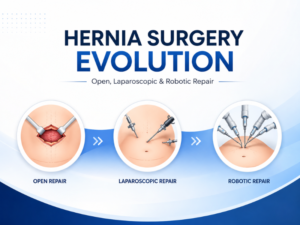
Modern laparoscopic hernia surgery offers faster recovery, smaller scars, and less post-operative pain compared to traditional open surgery.
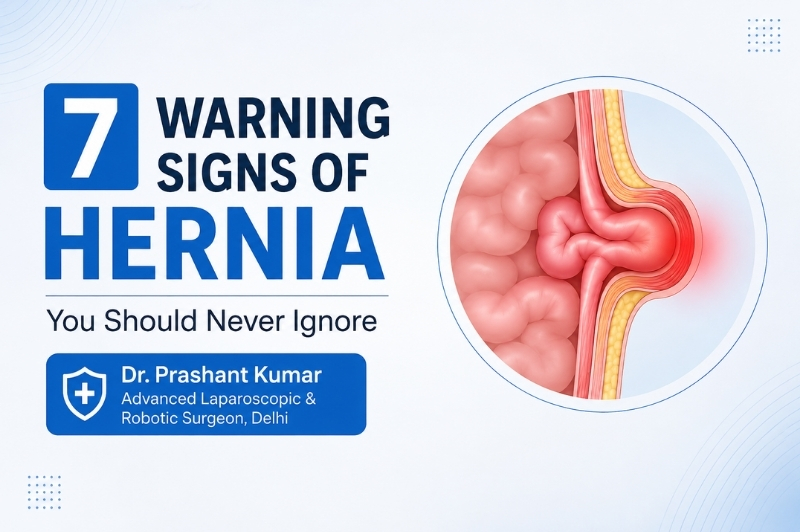
7 Warning Signs of Hernia You Should Never Ignore
1. Visible Bulge or Swelling
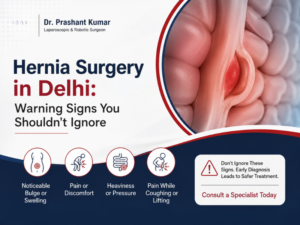
One of the most common signs of hernia is a noticeable bulge in the abdomen or groin. The swelling may become more visible while coughing, lifting heavy objects, or standing for long periods.
2. Pain or Discomfort While Lifting
Pain during exercise, bending, coughing, or lifting heavy weights can indicate muscle weakness caused by a hernia.
3. Burning or Heavy Sensation
Many patients experience a dragging, burning, or heavy feeling around the affected area, especially after physical activity.
4. Groin Pain or Pressure
Inguinal hernias often cause discomfort or pressure in the groin region. The pain may worsen throughout the day.
5. Nausea or Vomiting
If a hernia becomes trapped or strangulated, it can block blood supply to the intestine. This may lead to nausea, vomiting, severe pain, and requires urgent medical care.
6. Difficulty in Daily Activities
Simple activities like walking, climbing stairs, or exercising may become uncomfortable due to increasing hernia size or pain.
7. Persistent Abdominal Pain
Chronic abdominal discomfort, especially combined with swelling or pressure, should never be ignored. Early diagnosis helps prevent complications.
When Should You See a Doctor?
You should consult a hernia specialist if:
- the bulge increases in size
- pain becomes severe
- nausea or vomiting occurs
- the swelling becomes hard or tender
- daily activities are affected
Early treatment can prevent emergency complications and improve recovery outcomes.
Benefits of Laparoscopic Hernia Surgery
Advanced minimally invasive hernia surgery offers:
- Smaller incisions
- Faster recovery
- Less pain
- Reduced hospital stay
- Lower risk of infection
- Quicker return to work
Hernia Treatment in Delhi
Dr. Prashant Kumar is an experienced Advanced Laparoscopic and Robotic Surgeon in Delhi, associated with PSRI Hospital, New Delhi. He specializes in minimally invasive hernia surgery with a focus on precision treatment, patient safety, and faster recovery.
Book a Consultation
If you are experiencing symptoms of hernia, early medical evaluation is important. Timely diagnosis and treatment can help prevent complications and improve long-term outcomes.
Website: https://www.drprashantsurgeon.com/