Gallbladder removal, also called cholecystectomy, is a common surgery used to treat painful gallstones and other gallbladder problems. Many patients feel better after surgery, but they may have questions about eating, digestion and daily activities during recovery.
The good news is that you can live a healthy and active life without your gallbladder. Your liver continues to produce bile, which helps digest fats. However, your digestive system may need some time to adjust after surgery.
If you have recently undergone gallbladder removal surgery or are preparing for the procedure, understanding the right diet and recovery steps can help you feel more confident.
How Does Your Body Work After Gallbladder Removal?
The gallbladder is a small organ located below the liver. Its main function is to store bile and release it into the small intestine when you eat, especially after meals containing fat.
After gallbladder removal, your liver continues to produce bile. However, bile flows directly into the small intestine instead of being stored in the gallbladder.
As a result, most people can digest food normally after recovery. Still, some patients may notice temporary changes, such as loose stools, bloating or mild indigestion.
These changes often improve as the body adjusts to the new digestive process.
Diet After Gallbladder Removal: What Should You Eat?
Your diet plays an important role during the early recovery period. Although you do not need to follow a strict low-fat diet forever, choosing lighter meals initially may help reduce digestive discomfort.
Here are some practical diet tips after gallbladder removal surgery.
1. Eat Small and Frequent Meals
Instead of eating three large meals, try having smaller portions throughout the day. Large meals, especially those containing a lot of fat, may cause bloating or loose stools in some patients.
For example, you can include smaller portions of breakfast, lunch, dinner and healthy snacks between meals.
2. Choose Easily Digestible Foods
During the first few days, follow your surgeon’s advice about restarting food. Once you can tolerate regular meals, gradually include foods such as:
- Khichdi and soft rice
- Oats and porridge
- Dal and well-cooked vegetables
- Bananas and other fruits you tolerate
- Grilled or boiled chicken and fish
- Low-fat curd or other dairy products, if tolerated
These foods can help you maintain balanced nutrition without putting too much pressure on your digestive system.
3. Limit Fried and High-Fat Foods Initially
Foods with high fat content may cause diarrhoea, gas or stomach discomfort after surgery.
Therefore, limit foods such as:
- Deep-fried snacks and fast food
- Heavy gravies and oily curries
- Creamy sauces
- High-fat dairy products
- Fatty meat
You can gradually reintroduce different foods based on your tolerance and your surgeon’s advice.
4. Add Fibre Slowly
Fibre supports healthy bowel movements. However, adding too much fibre too quickly may cause gas and bloating.
Start with soluble fibre from foods such as oats, bananas and cooked vegetables. Then gradually add whole grains, fruits and other fibre-rich foods.
5. Drink Enough Water
Drink water regularly throughout the day. Proper hydration supports digestion and can also help prevent constipation, especially if you are taking pain medicines.
Digestion After Gallbladder Removal: What Changes Can You Expect?
Most people return to normal digestion after gallbladder surgery. However, some patients experience temporary digestive changes.
Common symptoms may include:
- Loose stools or diarrhoea
- Bloating and gas
- Mild abdominal discomfort
- Indigestion after fatty meals
- Changes in bowel movements
These symptoms may occur because bile now enters the intestine more continuously. In some people, this can affect bowel movements, particularly after eating high-fat foods.
If diarrhoea continues, becomes severe or affects your daily routine, consult your doctor. In some cases, bile acid diarrhoea may need specific treatment.
Do not assume that every digestive problem after surgery is normal. Persistent or new symptoms deserve medical assessment.
Recovery After Gallbladder Removal Surgery
Recovery depends on the type of surgery, your overall health and whether any complications occur.
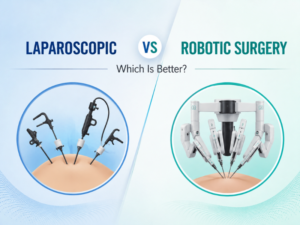
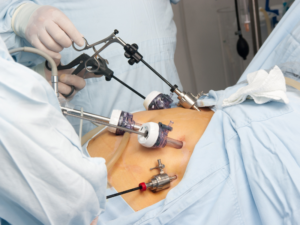
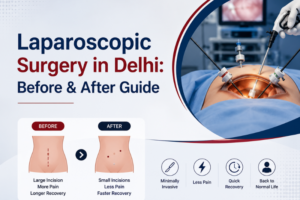
Most gallbladder removal procedures use laparoscopic surgery, which involves small cuts and a camera. Some patients may need open surgery if the gallbladder is severely inflamed or the surgeon considers it necessary.
Recovery After Laparoscopic Surgery
Many patients go home on the same day or after a short hospital stay. They can often return to light daily activities within a few days.
However, complete recovery may take around one to two weeks, depending on the individual and the surgeon’s advice.
Recovery After Open Surgery
Open surgery involves a larger incision. Therefore, patients usually need more time to heal.
Hospital stay and recovery may take several weeks. Some patients need around four to six weeks before returning to their usual activities.
Always follow your surgeon’s instructions rather than comparing your recovery with someone else’s experience.
Important Recovery Tips After Gallbladder Surgery
A few simple habits can support a smoother recovery.
1. Start Walking Slowly
Short walks can help improve circulation and reduce the risk of blood clots. Begin with gentle movement and increase your activity as you feel comfortable.
2. Avoid Heavy Lifting
Do not lift heavy objects or perform strenuous exercise until your surgeon allows it. This helps protect the healing wounds.
3. Keep Surgical Wounds Clean
Follow the wound-care instructions given by your hospital. Keep the incision area clean and dry as advised, and watch for redness, swelling or discharge.
4. Take Medicines as Prescribed
Use pain relief and other prescribed medicines according to your doctor’s instructions. Do not stop or change medication without medical advice.
5. Attend Follow-Up Appointments
Follow-up visits help your surgeon assess wound healing, recovery and any digestive concerns. Discuss symptoms that continue or become worse.
When Should You Contact a Surgeon After Gallbladder Removal?
Some mild discomfort can occur during recovery. However, certain symptoms may indicate an infection or another complication.
Seek prompt medical attention if you experience:
- Severe or worsening abdominal pain
- Fever or chills
- Yellowing of the skin or eyes
- Persistent vomiting
- Increasing redness, swelling or discharge around the wound
- Severe or ongoing diarrhoea
If you experience severe symptoms, do not wait for a routine appointment. Seek urgent medical care.
Frequently Asked Questions
1. Can I live a normal life after gallbladder removal?
Yes. Most people live a normal, healthy life after gallbladder removal. The liver continues to produce bile, so your body can still digest food.
2. How long should I follow a diet after gallbladder removal?
There is no fixed long-term diet for everyone. You may need smaller, lighter meals during the initial recovery period. Later, most people can return to a balanced diet based on their tolerance.
3. Can I eat spicy food after gallbladder surgery?
You may gradually return to spicy foods when your digestion improves. However, if a particular food causes acidity, discomfort or diarrhoea, reduce it and discuss persistent symptoms with your doctor.
4. Is diarrhoea normal after gallbladder removal?
Some patients experience loose stools after surgery because bile flows directly into the intestine. It often improves over time. However, persistent or severe diarrhoea needs medical evaluation.
5. When can I return to work after gallbladder removal?
After laparoscopic surgery, many patients return to work within one to two weeks. Open surgery may require several weeks. Your recovery, job requirements and surgeon’s advice will determine the right time.
Consult Dr. Prashant Kumar for Gallbladder Surgery Guidance in Delhi
Life after gallbladder removal is usually healthy and comfortable for most patients. A balanced diet, gradual return to daily activities and proper follow-up can support recovery.
However, every patient has different medical needs. If you have ongoing digestive problems, abdominal discomfort or concerns after gallbladder surgery, seek guidance from a qualified surgeon.
For information about gallbladder treatment, laparoscopic surgery and post-operative care, visit Dr. Prashant Kumar’s official website and discuss your concerns with your treating surgeon.
Disclaimer: This article is for general educational purposes only. Diet and recovery advice may vary depending on your medical condition and type of surgery. Always follow your surgeon’s instructions.